
How Illicit Brews Are Destroying a Generation in Gatunyu
March 14by Joyce Wachau Chege
The community is paying the price every day. For a town so small that everyone knows everyone, news travels fast whenever tragedy strikes. For a town bustling with so much energy and life, it has a tendency of growing on you. The allure is definitely there and one cannot help but want to know what is happening in which corner and to whom and that is when the hushed undertones reach you. The not so invisible wave of young people dying from consumption of illicit brews!
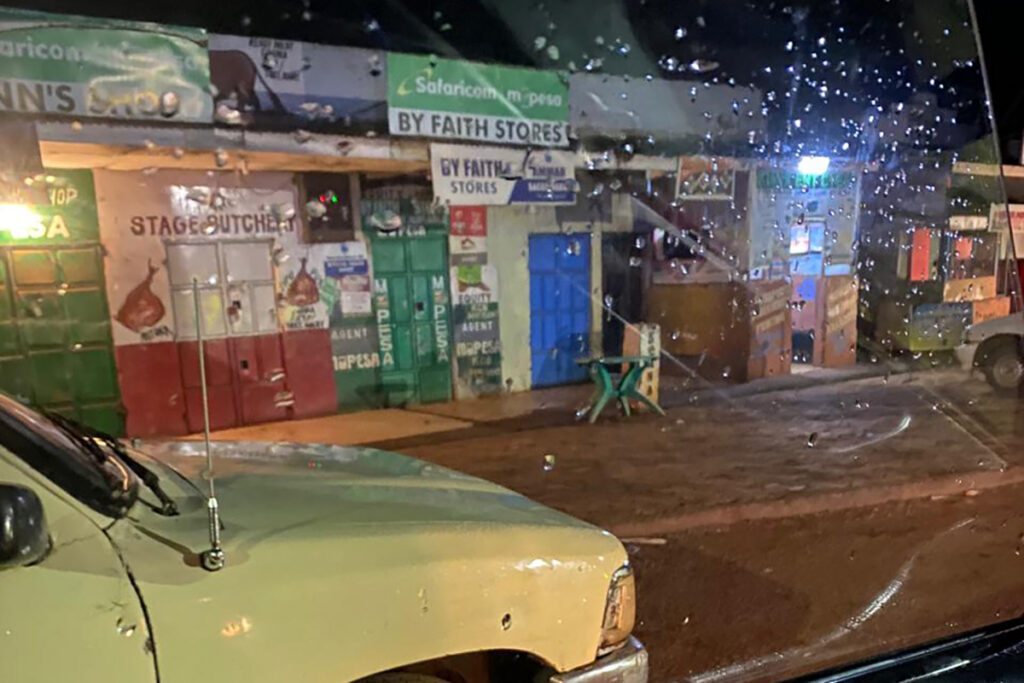
Community meetings have been held, raids televised and the outcries as loud as ever, stern warnings given and yet, somehow, the illicit brew trade continues to thrive now more than ever and the moral fabric of the community disintegrates by the day. Sadly, the consequences are very much visible and worrying. Walk around the town centre and you will find young people, lying dead drunk in the trenches, looking like zombies and for a moment, you might just think you are caught up in an alcoholic apocalyptic world, so I set out to find answers because clearly, something is very wrong somewhere.
I approached Samuel Wanyoike Mbui, a village elder in the area, who has been on the forefront of religiously fighting against the selling and consumption of the illicit brews.
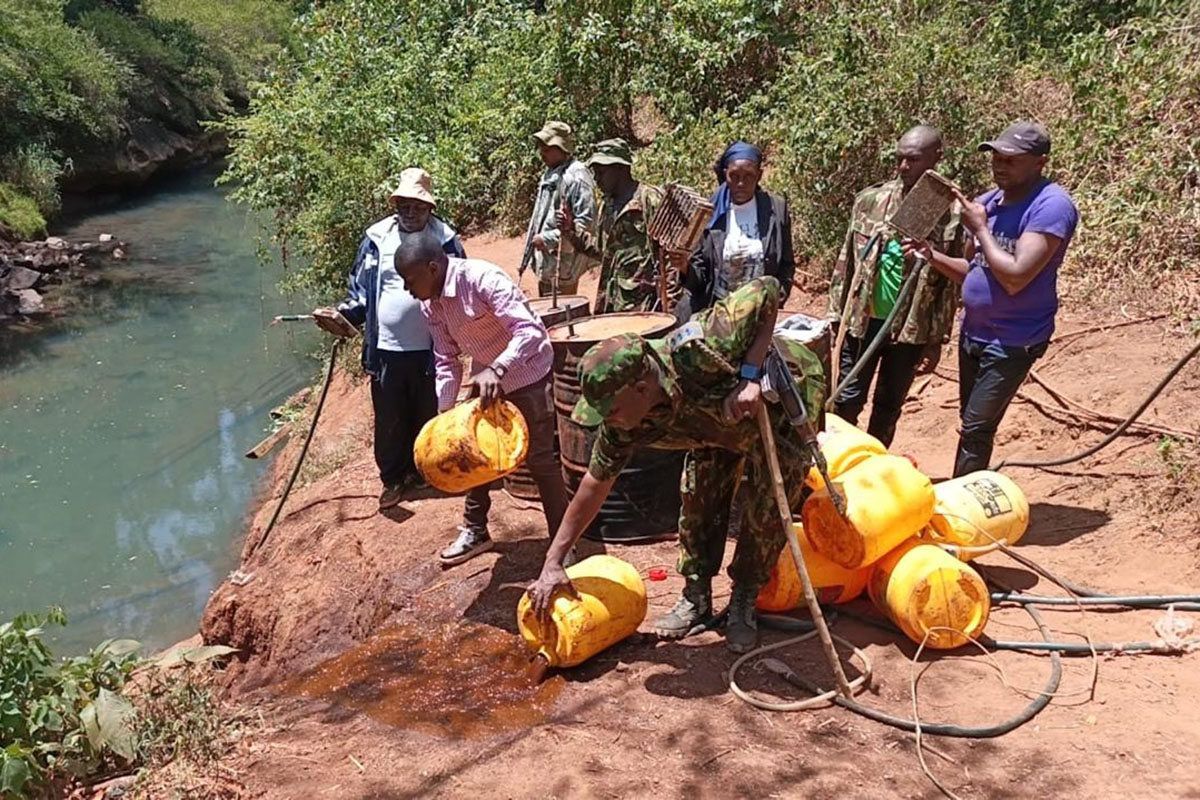
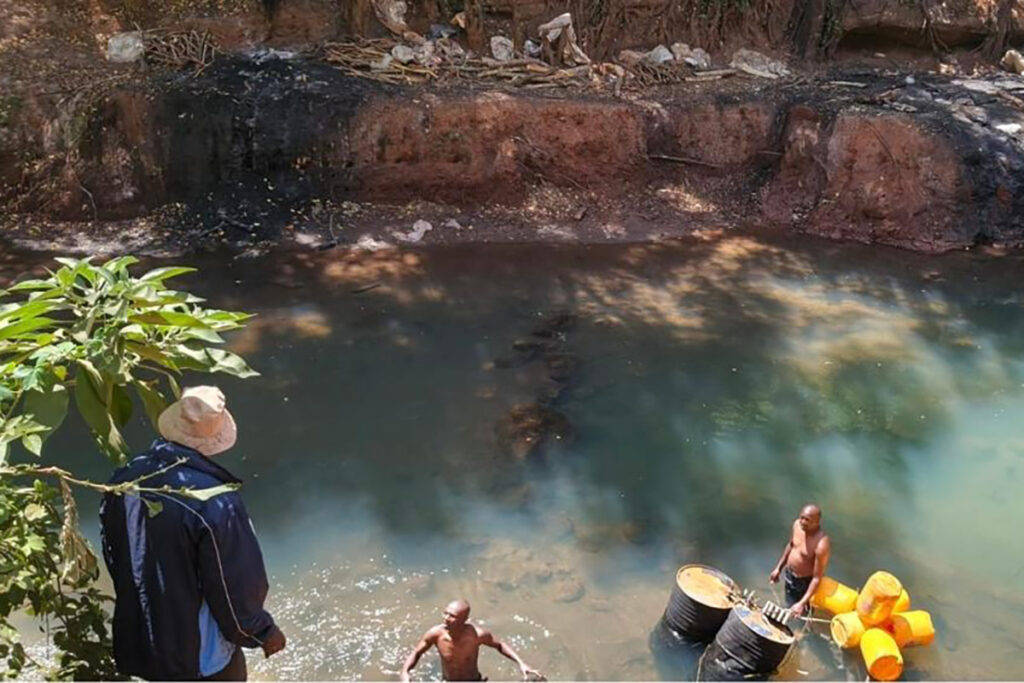
“The situation is getting out of hand. The youth are dying every day and that is why as a group of six men, we volunteered to help curb this menace. It is produced in large quantities at the banks of River Chania and every now and then, we storm random dens and thoroughly deal with the sellers and consumers we find there,” he tells me as I sit across from him.
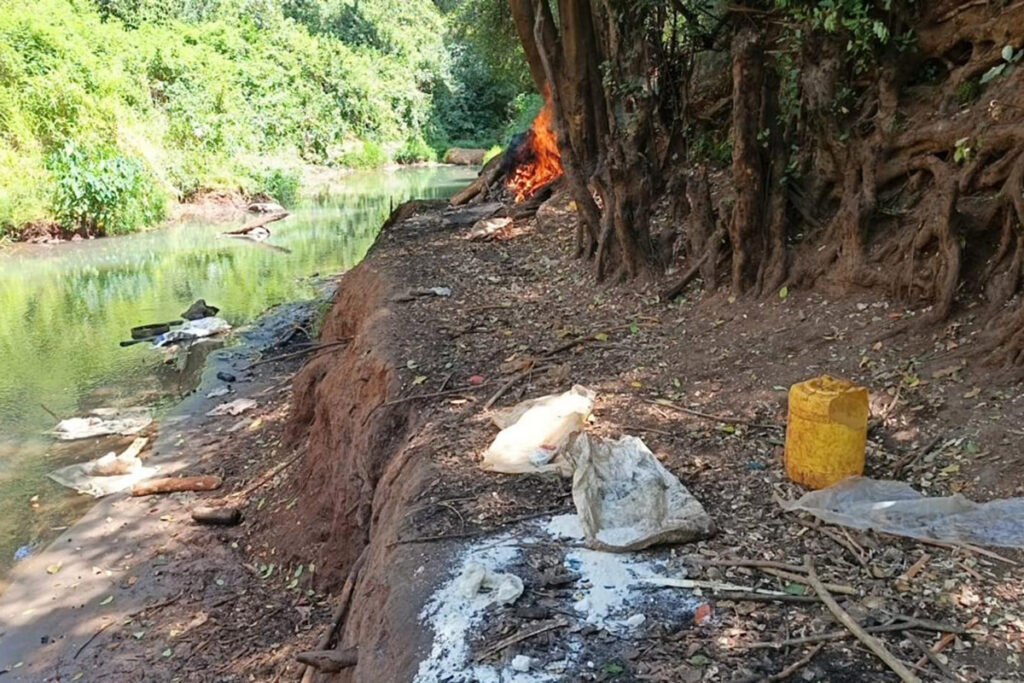
“It goes by different names. ‘Chang’aa’, ‘kilo’, ‘mung’are’ are some of the local names the illicit brews go by. It is so unfortunate that it is sold in polythene bags, which they later discard. School children collect them out of curiosity and drink the remnants in the bags. Unfortunately, because of this behavior, they end up contracting TB,” he adds.
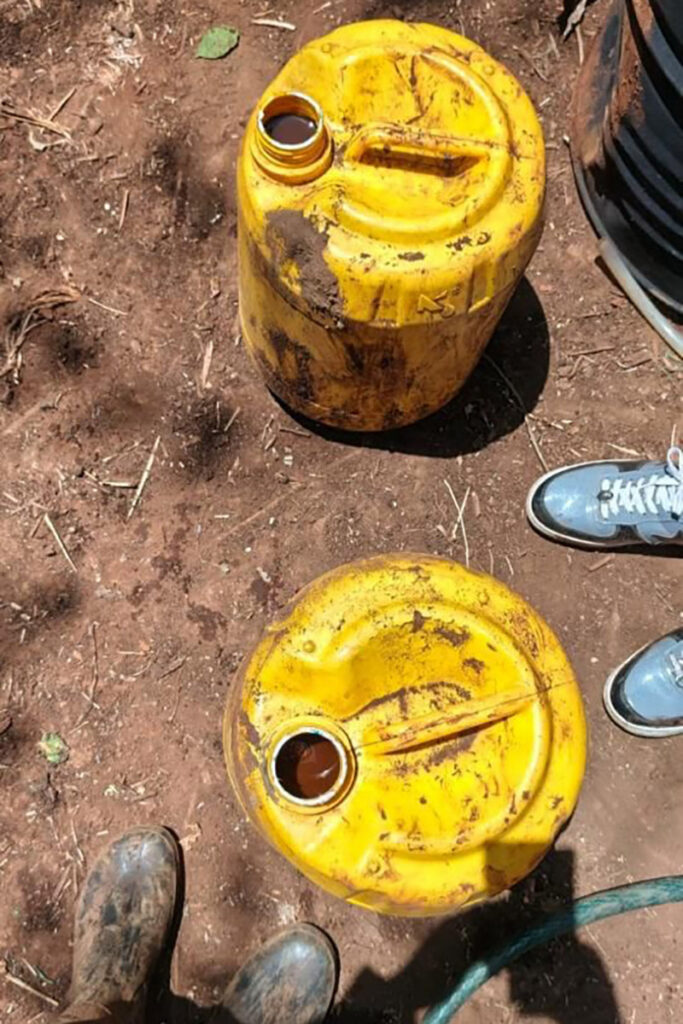
In a bid to understand how far back illicit brews have been a prevalent scourge, and how they came to be, I went down the road of exploring secondary data from journals and research reports, to have a better understanding of how the colonial government contributed to the production, consumption, regulation and prohibition of illicit brews in former Fort Hall District, current day, Murang’a County, Central Kenya.
This is my county and unfortunately, it is always on the spotlight as one of the leading counties where illicit brews have long dug their nails in the very core of its being. While alcoholism is a national problem, based on the latest NACADA (National Authority for the Campaign Against Alcohol and Drug Abuse) surveys, the Central region struggles with the third highest level of alcoholism.
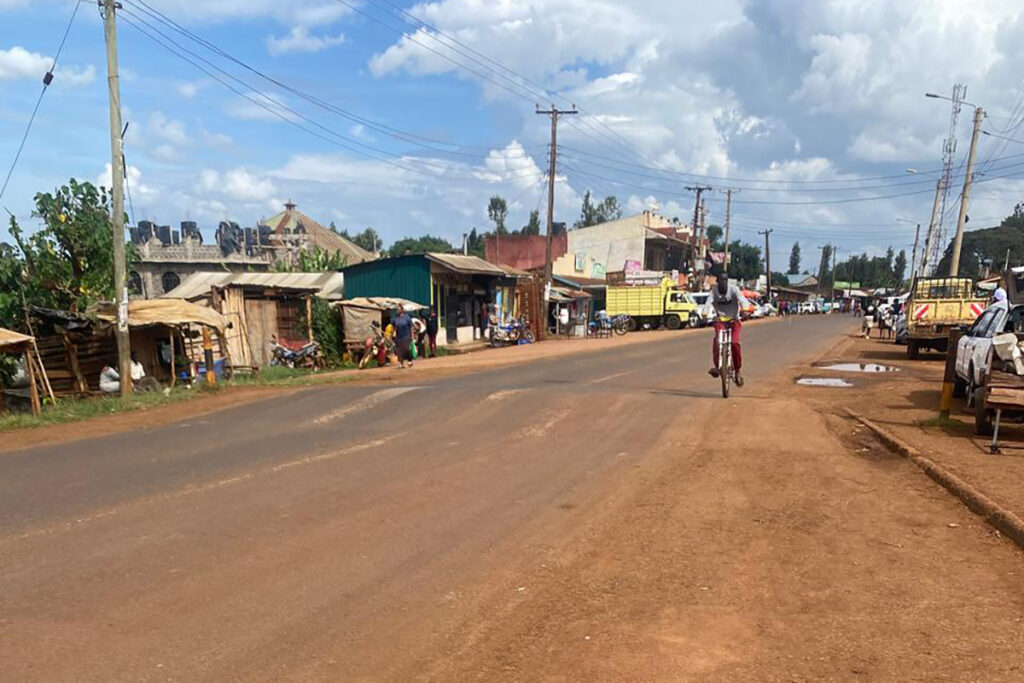
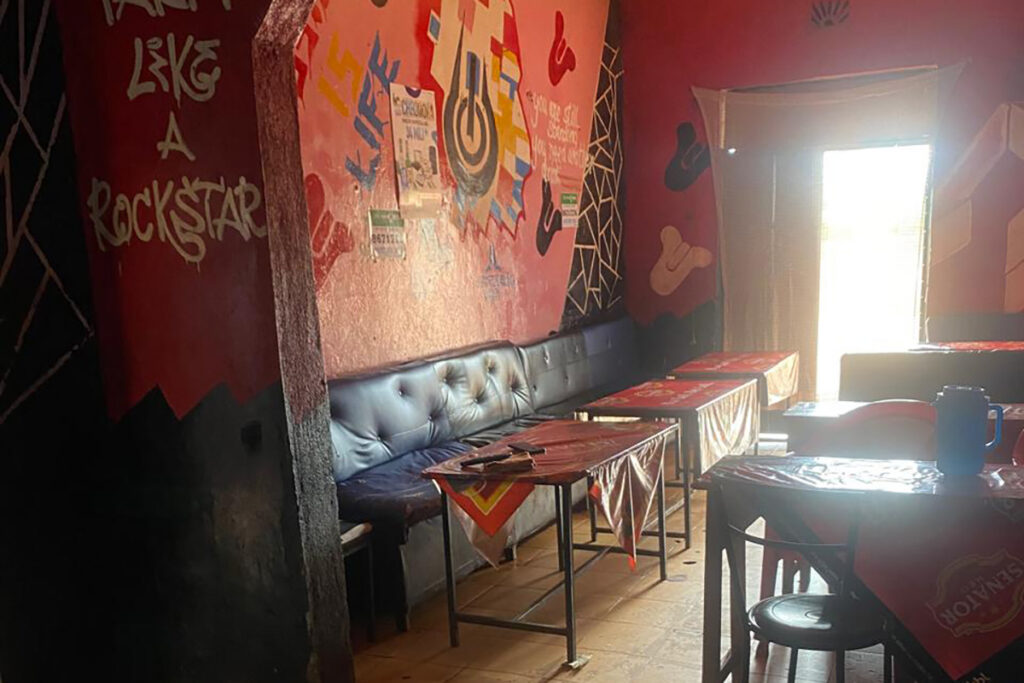
Book and pen in hand, I walk into a bar. My intent, wanting to know why so many people are willing to walk for long distances to dingy, unsanitary hidden dens just to go consume adulterated potent chemicals. I walk in and the place is close to empty, except for the one man, a young guy minding his own business and some loud local songs playing from a speaker that I could not see. The lady manning the bar is very welcoming and agrees to answer the questions I had for her.
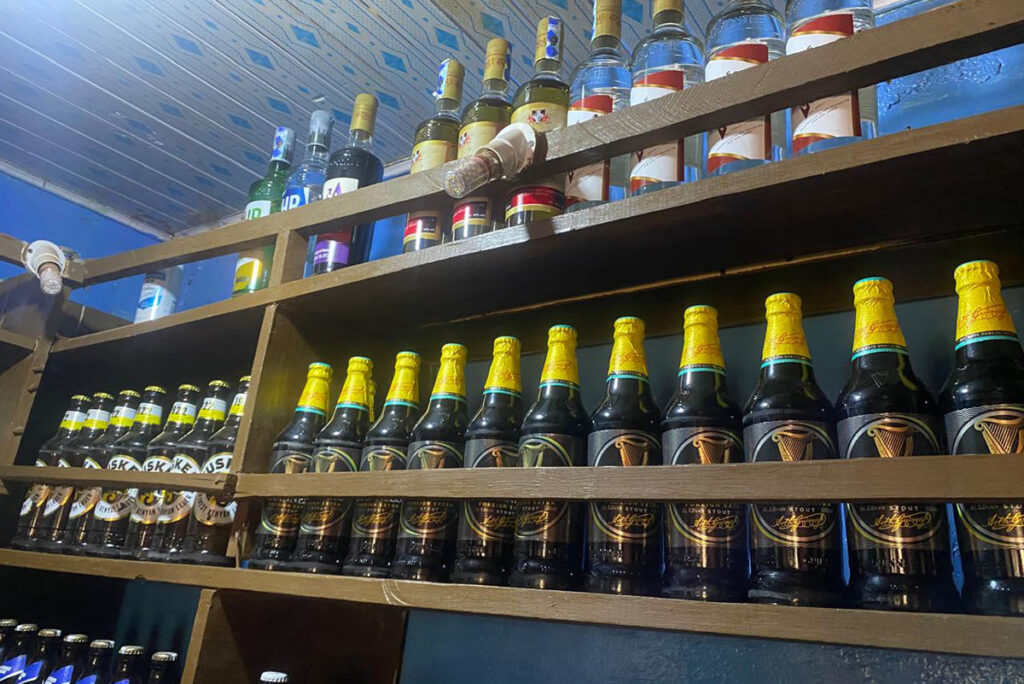
“You will not find many people here. The alcohol in a bar is far more expensive and that is why most people prefer the risky thrill of cheaper brews,” she explains to me.
Collapse of marriages, a rise in addiction and crime rates, countless deaths, environmental hazards, as well as health implications are some of the consequences of the consumption of the illicit brews in Gatunyu, as well as the surrounding areas like Kigio, Giatutu, Kahurura and many more. A closer look on some of the causes leading the young people down the road of overindulgence and debauchery include poverty, unemployment and to a larger extent, sellers being in cahoots with local authorities.