The Tides of Change: Why Climate Migration Is the Youth’s Fight
February 5by Hadia Khan
The world is warming faster than ever, and with every degree, the realities of life are shifting. For millions, climate change is no longer a future threat — it is actively pushing people from the lands they have called home for generations. This movement, known as climate migration, is transforming families, societies, and political landscapes. Young people, especially in regions already vulnerable to environmental shocks, are at the heart of this upheaval. We are not only among the most affected, but also among those responsible for shaping the future.
Climate migration is often discussed as a technical issue, but its emotional, cultural, and human layers run deep. It represents grief for lost homes, fear of uncertain futures, and the courage of communities striving to survive. In Kashmir, where environmental fragility and political tension intersect, I have witnessed how floods and disrupted livelihoods force families to leave ancestral lands. These crises are shaped by past decisions, but they demand our response because the cost of inaction will fall on our generation.
According to the International Organization for Migration – Environmental Migration Portal, climate migration involves people moving due to environmental changes linked to climate change. Sudden disasters and slow-onset environmental degradation are reshaping mobility and long-established settlement patterns.
Climate and Migration: The Human Cost
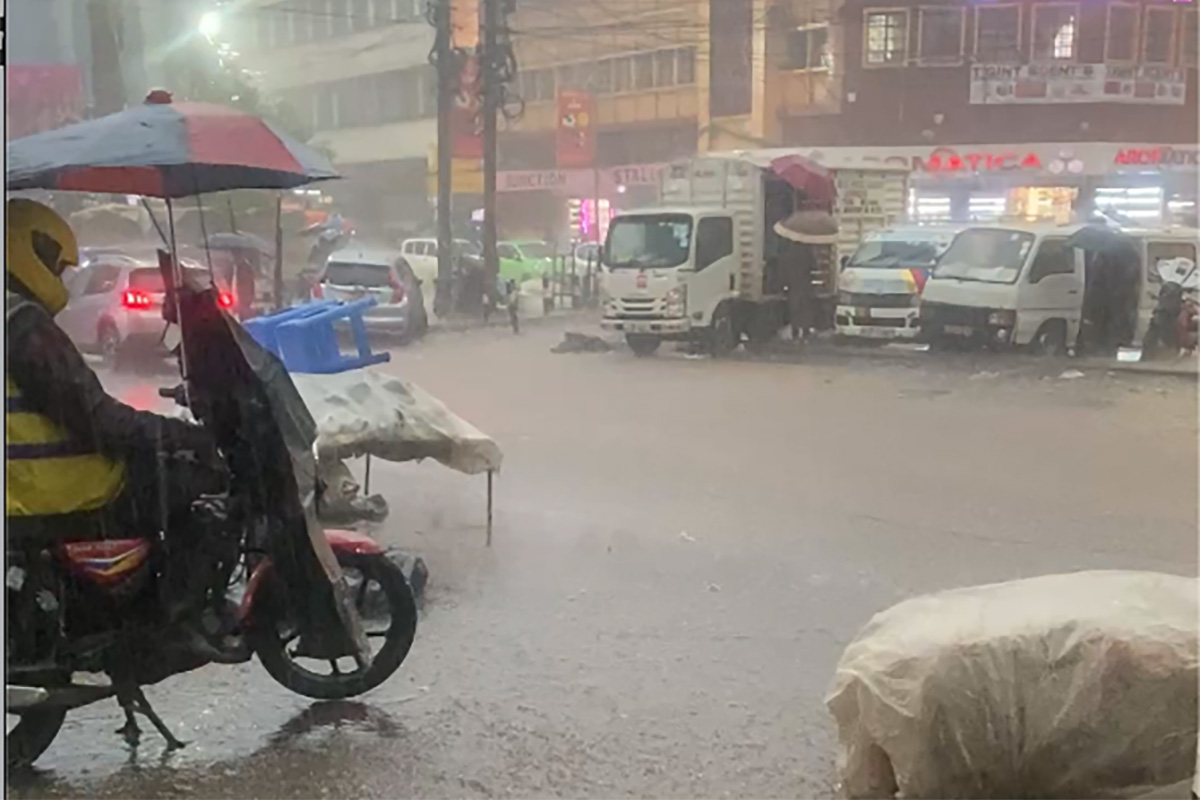
Disasters strike without warning — floods, cyclones, heatwaves, and wildfires can destroy entire communities overnight. Slow changes such as sea-level rise, drought, and desertification erode livelihoods over time. These environmental pressures act as “threat multipliers,” deepening poverty, disrupting food systems, straining water supplies, and intensifying social tensions.
The IDMC Global Report on Internal Displacement provides data on how many people are forced to move due to disasters annually. Behind every statistic is a human story: a family rebuilding after losing everything, a girl leaving school, a farmer abandoning land after years of drought. Youth are particularly affected, facing lost education, disrupted livelihoods, and the psychological impact of displacement.
“Trapped populations” — those unable to migrate due to poverty — remain in increasingly dangerous conditions. The UNHCR: Climate Change and Displacement portal highlights the protection risks and human rights challenges faced by these communities. For many young people, especially in the Global South, these are not abstract concepts — they are lived realities.
Youth, Leadership, and Solutions
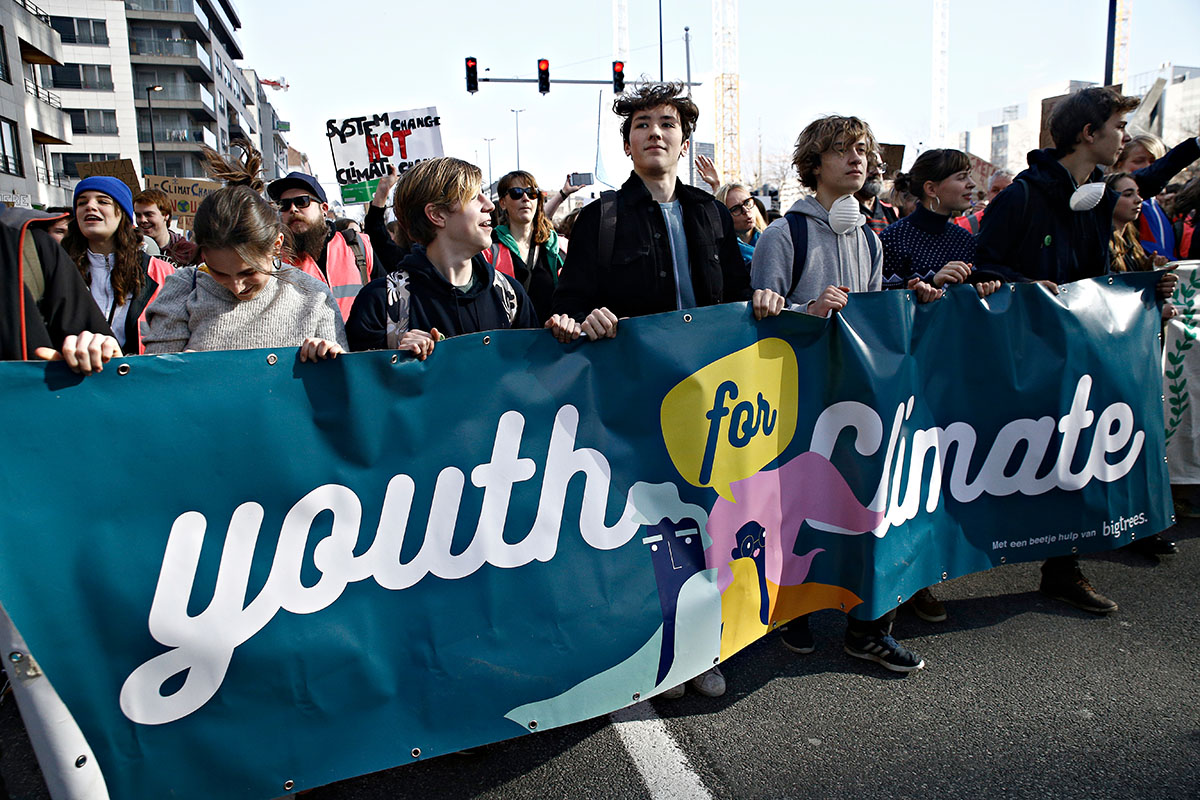
Despite vulnerability, young people are central to solutions. We bring creativity, urgency, and moral clarity to a crisis largely created by previous generations. Leadership is a responsibility, not a privilege.
Key priorities include:
- Better Data and Policies: Transparent, science-based frameworks to protect human dignity.
- Community-Based Adaptation: Investing in sustainable agriculture, social safety nets, and early warning systems. Youth-led initiatives, such as local disaster mapping projects, are already making measurable impacts.
- Migration as Adaptation: When managed with dignity, migration can offer safety, opportunity, and growth.
- Human Rights Lens: Policies must protect climate migrants, particularly women, children, minorities, and indigenous peoples.
The World Bank Groundswell Report provides insights into projected climate migration and policy solutions needed to protect vulnerable communities. Youth must champion these reforms because the world we shape today determines whether the next generation inherits hope — or crisis.
A Personal Perspective
As a young Kashmiri woman and law candidate, climate migration is deeply personal. I have seen how quickly communities lose safety and identity during displacement. This is why I write, study, and advocate. Climate migration is not only a topic — it is a reality shaping the lives of countless young people across the Commonwealth. Our voices matter because we understand the stakes intimately: climate justice is inseparable from social justice, human rights, and peacebuilding.