UNMUTED: Confronting Digital Violence and the Gaps in Gender Justice
December 9by: Hadia Khan
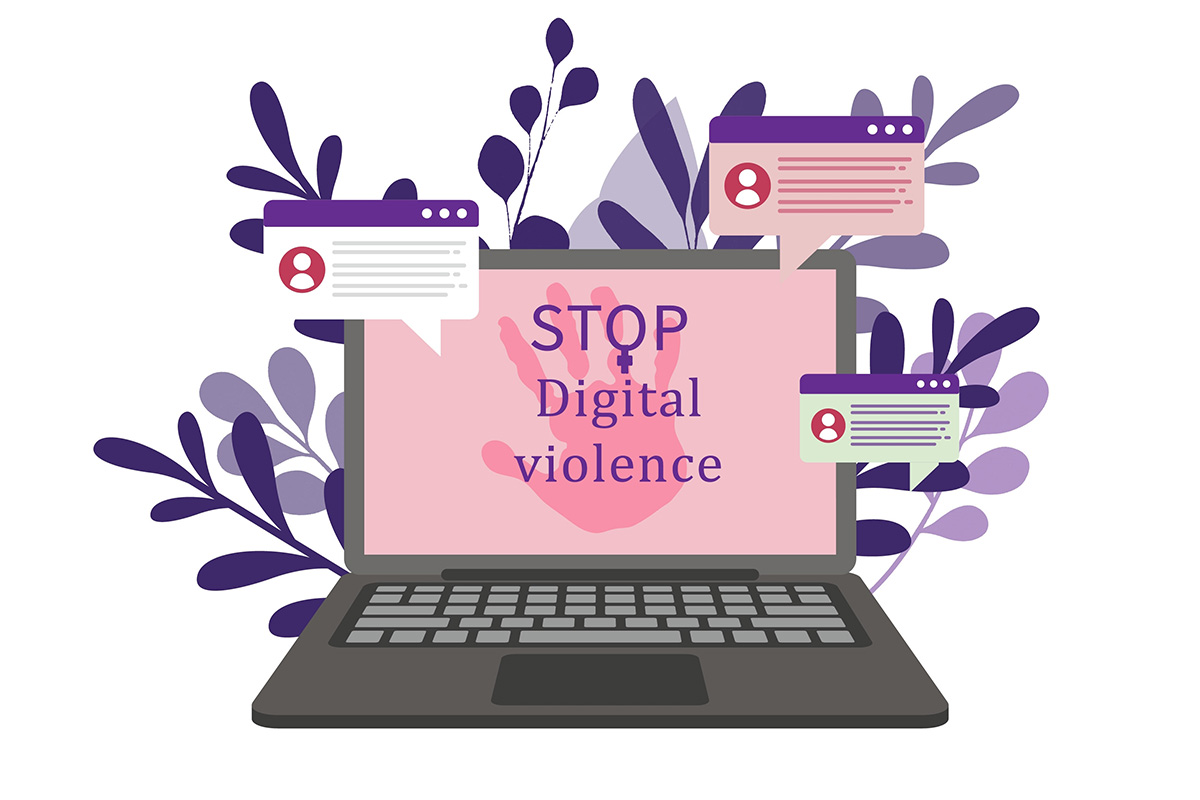
As the 16 DaysofActivism campaign against gender-based violence comes to an end, we must go UNMUTED. We are at a critical juncture where decades of hard-won progress in gender justice are threatened by a new, rapidly intensifying frontier of abuse: digital violence. This form of harm is spreading at an alarming speed, magnified by artificial intelligence, anonymity, and weak accountability systems, leaving nearly half of the world’s women and girls without adequate legal protection online. This is a bold call to confront digital harm, reclaim our voices, and defend bodily autonomy, urging us to be loud and stay UNMUTED throughout and beyond this crucial global campaign, as detailed in the Beijing+30 Report
The current #16DaysofActivism provides a vital moment to reflect on the 30 years since the Beijing Declaration and Platform for Action—a monumental global commitment to women’s rights. The progress achieved since 1995 is undeniable: global legal measures addressing Gender-Based Violence (GBV) grew from just 12 known laws to over 1,580 today. This legislative victory stands as a testament to persistent feminist advocacy and political will. However, this legacy is now at stake. Despite these hard-won reforms, the rise of Technology-Facilitated Gender-Based Violence (TFGBV)—including doxxing, deepfakes, and cyberstalking—creates new, pervasive platforms for abuse, while Femicide remains alarmingly high, threatening to undo decades of gains. We celebrate these hard-won reforms, but we use this 16DaysofActivism as momentum to challenge structural norms and demand that every woman is SafeInEverySpace .
Screentime should be a source of empowerment, connection, and learning for young people, not an open door to abuse. Yet, for many girls, their digital lives are now fraught with cyberbullying, harassment, and image-based abuse that follows them from their screens into their daily lives. The consequences of this digital exposure are devastating and real, often leading to severe psychological harm. This reality underscores the urgent challenge we face in ensuring that digital spaces are safe #ForAllWomenAndGirls and that there is #NoExcuse for online abuse. It is vital that we join organizations like UN Women to speak out and demand that digital violence be recognized and treated as real violence.
To effectively tackle this crisis, we must shift our focus from mere recognition to radical accountability and structural change. The proliferation of digital harm is compounded by the fact that the tools of violence—like sophisticated AI technology used to create deepfakes—are advancing faster than the laws designed to curb their misuse. The existing gaps demand urgent action, including clearer, stronger laws that recognize the full spectrum of digital harm, and accountability measures that target platforms, perpetrators, and the systems that protect anonymity. As we celebrate the successes of Beijing+30, we must use this momentum to challenge the structural norms that perpetuate abuse both online and offline, demanding that every woman is #SafeInEverySpace. Reading the full Beijing+30 Report is an essential first step for anyone who wishes to join the call for action and accountability in this crucial fight for gender justice.
AI Disclosure
This article was drafted and refined by a human. An AI tool was used solely as a research companion to synthesize the core themes, retrieve specific facts (such as the increase in anti-GBV laws), and locate and confirm the provided external links for seamless embedding, thereby meeting the publication’s formatting criteria. The final content, perspective, and structure remain the responsibility of the human author.