CultureHuman Rights
Home Our latest stories AdvocacyCultureFestivals and TraditionsHuman Rights Hijab, Choice or Control? Why Policing What Women Wear Helps No One

Hijab, Choice or Control? Why Policing What Women Wear Helps No One

January 11th, 2026

by Monica Islam

Austria recently banned the Hijab in schools in an effort to separate religion from the public sphere, but is it really worth it? In India too, a lawmaker pulled down the face veil of a Muslim female doctor.

It is true that Hijab started off as an oppressive tool, invented by misogynistic forces to seclude women and restrict them indoors so that gradually, their identity and activity dissipate into thin air. Any girl who “chooses” to wear this is not empowered but brainwashed. I believe that this is one cultural practice that we need to get rid of. There is a verse in the Koran which admonishes women to stay home, although scholars assert that this was meant for the Prophet Muhammad’s wives only.

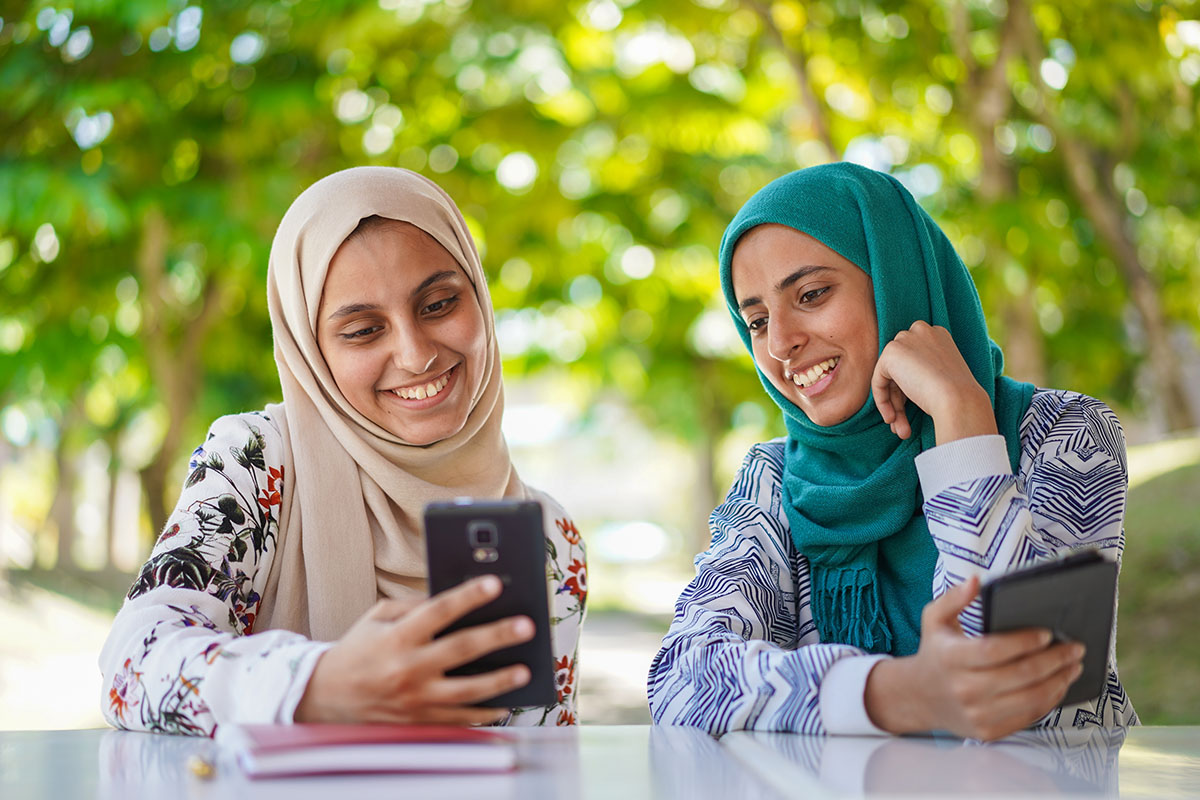
However, in the same breath, it is also true that contemporary women have appropriated the Hijab and adopted it to get rid of the male gaze as well as to express their faith and dress sense. As explained by Laura Mulvey, women are usually stripped off their dresses to cater to the sexual appetites of men and to pander to their exploitative gazes. The mini-skirt, if taken out of the context of occasion, bodily agency, and sexual emancipation, can be equally oppressive.
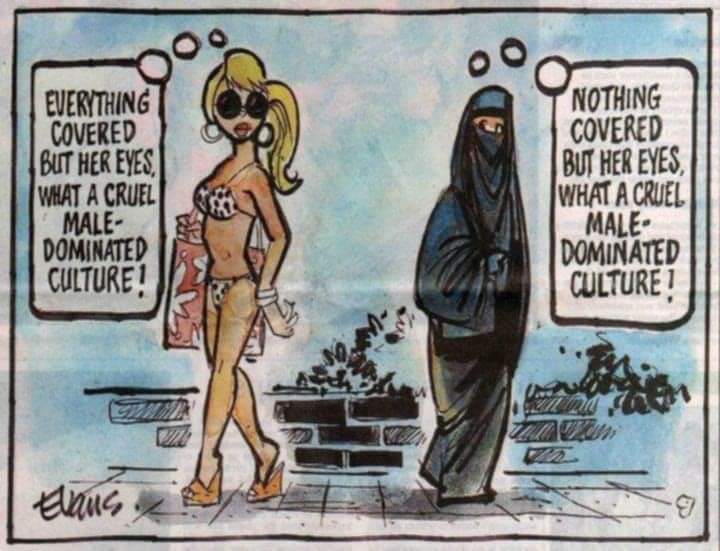
It is a never-ending debate, but I believe that in today’s time, we need to stop policing women’s dress. Do we pass judgments on men’s beard or turban as much as we pronounce mandates on a woman’s Hijab which violate her rights to religious freedom? Various cultures have different dressing norms and we must welcome that, as long as that dress does not stem from misogynistic understandings.

A far better alternative to this debate would be to promote knowledge and discussion on this topic so that women can make informed choices, while maintaining that a choice is never absolute. This choice must be open to criticism. With this view in mind, I sincerely desire that women come together to protest any act that curtails their rights to dress, move, and worship.

Which side of the debate are you on?

Share

About the author

Monica Islam

Monica has fourteen years of experience in the media sector in Dhaka, Bangladesh. She raised awareness about contemporary socio-economic issues, such as the need for greater accountability in the healthcare and food industries; improving diplomatic ties with non-Muslim communities; and encouraging responsible business practices. She was trained in writing and reporting news by Thomson Reuters Foundation in the United Kingdom. She attended student conferences in Austria, Indonesia, South Korea and China. In 2011, she won the Reader’s Digest (Asia) Health Contest. She volunteers for Your Commonwealth Youth Magazine. She earned a Bachelor of Business Administration in Finance & Accounting and Marketing from North South University, Bangladesh. She is interested in sustainable development. If given a magical power, Monica would eradicate death, diseases, absolute poverty, and repression.

Submit your content

Submit a video
Submit an article

by Monica Islam

Austria recently banned the Hijab in schools in an effort to separate religion from the public sphere, but is it really worth it? In India too, a lawmaker pulled down the face veil of a Muslim female doctor.

It is true that Hijab started off as an oppressive tool, invented by misogynistic forces to seclude women and restrict them indoors so that gradually, their identity and activity dissipate into thin air. Any girl who “chooses” to wear this is not empowered but brainwashed. I believe that this is one cultural practice that we need to get rid of. There is a verse in the Koran which admonishes women to stay home, although scholars assert that this was meant for the Prophet Muhammad’s wives only.

However, in the same breath, it is also true that contemporary women have appropriated the Hijab and adopted it to get rid of the male gaze as well as to express their faith and dress sense. As explained by Laura Mulvey, women are usually stripped off their dresses to cater to the sexual appetites of men and to pander to their exploitative gazes. The mini-skirt, if taken out of the context of occasion, bodily agency, and sexual emancipation, can be equally oppressive.

It is a never-ending debate, but I believe that in today’s time, we need to stop policing women’s dress. Do we pass judgments on men’s beard or turban as much as we pronounce mandates on a woman’s Hijab which violate her rights to religious freedom? Various cultures have different dressing norms and we must welcome that, as long as that dress does not stem from misogynistic understandings.

A far better alternative to this debate would be to promote knowledge and discussion on this topic so that women can make informed choices, while maintaining that a choice is never absolute. This choice must be open to criticism. With this view in mind, I sincerely desire that women come together to protest any act that curtails their rights to dress, move, and worship.

Which side of the debate are you on?