Environment & Climate ChangeGovernanceHistoryPeace BuildingPeace and Justice
Home Our latest stories AdvocacyDiplomacyEconomic DevelopmentGeoPolitics Small Island, Big Vision: Cyprus Takes the Helm of the EU

Small Island, Big Vision: Cyprus Takes the Helm of the EU

January 26th, 2026

by Katerina Panagi

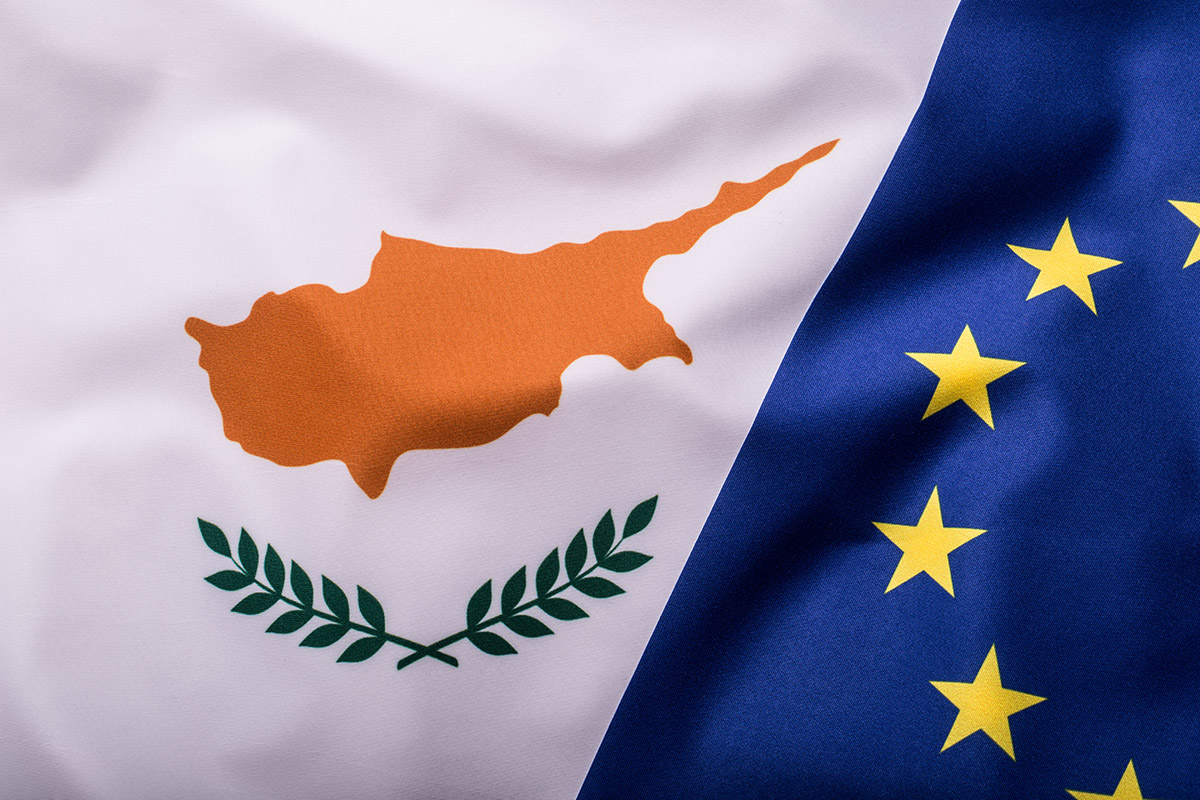
The turn of the new year marked a historic milestone for the Republic of Cyprus as it assumed the rotating Presidency of the Council of the European Union for the second time since its accession (Cyprus in the EU). Under the evocative motto, “An Autonomous Union, Open to the World,” Cyprus is stepping into a leadership role at a moment defined by “polycrisis”—a convergence of geopolitical instability, climate urgency, and economic transformation. For those of us writing from the heart of Nicosia, this presidency is more than a bureaucratic cycle; it is a testament to the fact that in a globalized world, the smallest states often possess the most significant points.

The weight of this responsibility was best captured by Marilena Raouna, the Deputy Minister for European Affairs, during the opening ceremony in Lefkara. She noted that ‘Cyprus embarks on this journey with a deep commitment and the proven ability to remain resilient in the face of adversity’ (Cy2026). Above all, she emphasised a determination to do what Cyprus knows best: to act as a bridge between member states, between institutions, between ambition and delivery, and between Europe and the wider region. This vision of Cyprus as a “diplomatic lighthouse” in the Eastern Mediterranean is central to the presidency’s identity, positioning the island not just as a participant in European affairs, but as a vital mediator between the West and the Middle East.

The Cypriot vision for 2026 is built upon five strategic pillars that aim to foster a Europe that is both self-reliant and internationally engaged. Central to this agenda is the concept of Strategic Autonomy, which Cyprus interprets not as isolation, but as the capacity for the Union to defend its interests and values independently. This includes a strong focus on security and defence readiness, particularly through the implementation of the European Defence Industry Programme (EDIP). By utilising its unique position in the Eastern Mediterranean, Cyprus is acting as a reliable bridge for dialogue between the EU and its southern neighbours, seeking to stabilise a region that is vital to global energy and security.

A standout priority that resonates deeply with our Commonwealth partners is the presidency’s focus on Water Resilience and Climate Adaptation. As an island nation facing the immediate realities of water scarcity and rising temperatures, Cyprus is spearheading the “Water Resilience Strategy” to ensure that drought and resource management are elevated to the top of the European agenda. This initiative mirrors the challenges faced by many Small Island Developing States (SIDS) across the Commonwealth, offering a platform for shared expertise in sustainable desalination and resource conservation. By championing a “Green and Digital Transition” that prioritises the bioeconomy and circular industrial practices, Cyprus is proving that environmental stewardship is inseparable from economic competitiveness.

Furthermore, the presidency is placing a profound emphasis on the “Union of Skills,” a learner-centred approach designed to prepare the European workforce for an era dominated by Artificial Intelligence. For the youth of Cyprus and the wider Commonwealth, this translates into tangible policies regarding lifelong learning, vocational training, and digital safety. President Mr. Nikos Christodoulides has been particularly vocal about establishing a “digital age of majority” to protect minors online, ensuring that as we embrace innovation, we do not compromise the mental health and safety of the next generation (Philenews). This human-centric approach to technology reflects a commitment to a “Union of Values” where progress is measured by inclusivity and the protection of the most vulnerable.

Ultimately, the Cypriot Presidency is an invitation to view Europe through a Mediterranean lens—one that values hospitality, historical depth, and the resilience to transform challenges into opportunities. As the last divided capital in Europe, Nicosia’s leadership carries a unique moral authority in its call for unity and the respect of international law. Whether it is through navigating the complex negotiations of the next long-term EU budget or facilitating humanitarian corridors like the Amalthea initiative, Cyprus is demonstrating that leadership is defined by vision and the ability to build bridges where others see only borders.

Sources and further reading:

Cyprus in the EU. (n.d.). Cyprus in the EU. https://cyprus-presidency.consilium.europa.eu/en/presidency/cyprus-in-the-eu/

Cyprus calls for digital rules for children in EU. (2026, January 13). https://in-cyprus.philenews.com/local/cyprus-christodoulides-european-digital-age-adulthood-social-media/

EU Debates, eudebates.tv. (2026, January 7). The Heart of Europe Beats in Cyprus: A Small Island with a Big European Soul – Marilena Raouna [Video]. YouTube. https://www.youtube.com/watch?v=yr4sCB94Mmw

Official Presidency Portal: For the latest news, event calendars, and official policy documents, visit the Cyprus Presidency of the Council of the EU 2026.

Rotating Presidency – Secretariat of the Cyprus Presidency of the Council of the EU 2026 – gov.cy. (2025, March 5). Γραμματεία Κυπριακής Προεδρίας Του Συμβουλίου Της ΕΕ 2026. https://www.gov.cy/cy2026eusec/en/cyprus-presidency-of-the-council-of-the-eu-2026/rotating-presidency/

Strategic Agenda: To understand the broader context of the “Trio” (Poland, Denmark, Cyprus), explore the Council of the EU Strategic Agenda 2024-2029.

Climate & Security: For an in-depth look at the climate priorities, see the Bellona Europa analysis on Cyprus’s role in the 2040 climate framework.

Youth & Digital Safety: Learn about the initiative for children’s digital safety via the official statement from the Presidency of the Republic.

Share

About the author

Katerina Panagi

Katerina Panagi is a full-time Project Manager and Researcher at CARDET, an independent, non-profit, non-governmental, research and development organization based in Cyprus. She is also a part-time freelance journalist in Cyprus. As a researcher, she is a goal oriented person. She likes learning new things each day and being the best version of herself. Since she believes in lifelong learning, her ambitions are to advance her skills, knowledge and herself as much as she can, but also volunteer and gain further experience.

Submit your content

Submit a video
Submit an article

by Katerina Panagi

The turn of the new year marked a historic milestone for the Republic of Cyprus as it assumed the rotating Presidency of the Council of the European Union for the second time since its accession (Cyprus in the EU). Under the evocative motto, “An Autonomous Union, Open to the World,” Cyprus is stepping into a leadership role at a moment defined by “polycrisis”—a convergence of geopolitical instability, climate urgency, and economic transformation. For those of us writing from the heart of Nicosia, this presidency is more than a bureaucratic cycle; it is a testament to the fact that in a globalized world, the smallest states often possess the most significant points.

The weight of this responsibility was best captured by Marilena Raouna, the Deputy Minister for European Affairs, during the opening ceremony in Lefkara. She noted that ‘Cyprus embarks on this journey with a deep commitment and the proven ability to remain resilient in the face of adversity’ (Cy2026). Above all, she emphasised a determination to do what Cyprus knows best: to act as a bridge between member states, between institutions, between ambition and delivery, and between Europe and the wider region. This vision of Cyprus as a “diplomatic lighthouse” in the Eastern Mediterranean is central to the presidency’s identity, positioning the island not just as a participant in European affairs, but as a vital mediator between the West and the Middle East.

The Cypriot vision for 2026 is built upon five strategic pillars that aim to foster a Europe that is both self-reliant and internationally engaged. Central to this agenda is the concept of Strategic Autonomy, which Cyprus interprets not as isolation, but as the capacity for the Union to defend its interests and values independently. This includes a strong focus on security and defence readiness, particularly through the implementation of the European Defence Industry Programme (EDIP). By utilising its unique position in the Eastern Mediterranean, Cyprus is acting as a reliable bridge for dialogue between the EU and its southern neighbours, seeking to stabilise a region that is vital to global energy and security.

A standout priority that resonates deeply with our Commonwealth partners is the presidency’s focus on Water Resilience and Climate Adaptation. As an island nation facing the immediate realities of water scarcity and rising temperatures, Cyprus is spearheading the “Water Resilience Strategy” to ensure that drought and resource management are elevated to the top of the European agenda. This initiative mirrors the challenges faced by many Small Island Developing States (SIDS) across the Commonwealth, offering a platform for shared expertise in sustainable desalination and resource conservation. By championing a “Green and Digital Transition” that prioritises the bioeconomy and circular industrial practices, Cyprus is proving that environmental stewardship is inseparable from economic competitiveness.

Furthermore, the presidency is placing a profound emphasis on the “Union of Skills,” a learner-centred approach designed to prepare the European workforce for an era dominated by Artificial Intelligence. For the youth of Cyprus and the wider Commonwealth, this translates into tangible policies regarding lifelong learning, vocational training, and digital safety. President Mr. Nikos Christodoulides has been particularly vocal about establishing a “digital age of majority” to protect minors online, ensuring that as we embrace innovation, we do not compromise the mental health and safety of the next generation (Philenews). This human-centric approach to technology reflects a commitment to a “Union of Values” where progress is measured by inclusivity and the protection of the most vulnerable.

Ultimately, the Cypriot Presidency is an invitation to view Europe through a Mediterranean lens—one that values hospitality, historical depth, and the resilience to transform challenges into opportunities. As the last divided capital in Europe, Nicosia’s leadership carries a unique moral authority in its call for unity and the respect of international law. Whether it is through navigating the complex negotiations of the next long-term EU budget or facilitating humanitarian corridors like the Amalthea initiative, Cyprus is demonstrating that leadership is defined by vision and the ability to build bridges where others see only borders.

Sources and further reading:

Cyprus in the EU. (n.d.). Cyprus in the EU. https://cyprus-presidency.consilium.europa.eu/en/presidency/cyprus-in-the-eu/

Cyprus calls for digital rules for children in EU. (2026, January 13). https://in-cyprus.philenews.com/local/cyprus-christodoulides-european-digital-age-adulthood-social-media/

EU Debates, eudebates.tv. (2026, January 7). The Heart of Europe Beats in Cyprus: A Small Island with a Big European Soul – Marilena Raouna [Video]. YouTube. https://www.youtube.com/watch?v=yr4sCB94Mmw

Official Presidency Portal: For the latest news, event calendars, and official policy documents, visit the Cyprus Presidency of the Council of the EU 2026.

Rotating Presidency – Secretariat of the Cyprus Presidency of the Council of the EU 2026 – gov.cy. (2025, March 5). Γραμματεία Κυπριακής Προεδρίας Του Συμβουλίου Της ΕΕ 2026. https://www.gov.cy/cy2026eusec/en/cyprus-presidency-of-the-council-of-the-eu-2026/rotating-presidency/

Strategic Agenda: To understand the broader context of the “Trio” (Poland, Denmark, Cyprus), explore the Council of the EU Strategic Agenda 2024-2029.

Climate & Security: For an in-depth look at the climate priorities, see the Bellona Europa analysis on Cyprus’s role in the 2040 climate framework.

Youth & Digital Safety: Learn about the initiative for children’s digital safety via the official statement from the Presidency of the Republic.