How living through Hurricane Melissa ignited my passion for climate justice
January 11by Makaila Duncan
Standing in the bathroom of the Edna Manley College in Kingston, the capital of Jamaica, last October, days after category five hurricane Melissa demolished parts of the country, I felt lost for words. My dear friend was breaking down right in front of me. Her world was crumbling around her. As I held her, her cries overwhelming the cramped room, I knew that mere words could not quiet the pain she felt. Watching the tears run down her face, I felt helpless.
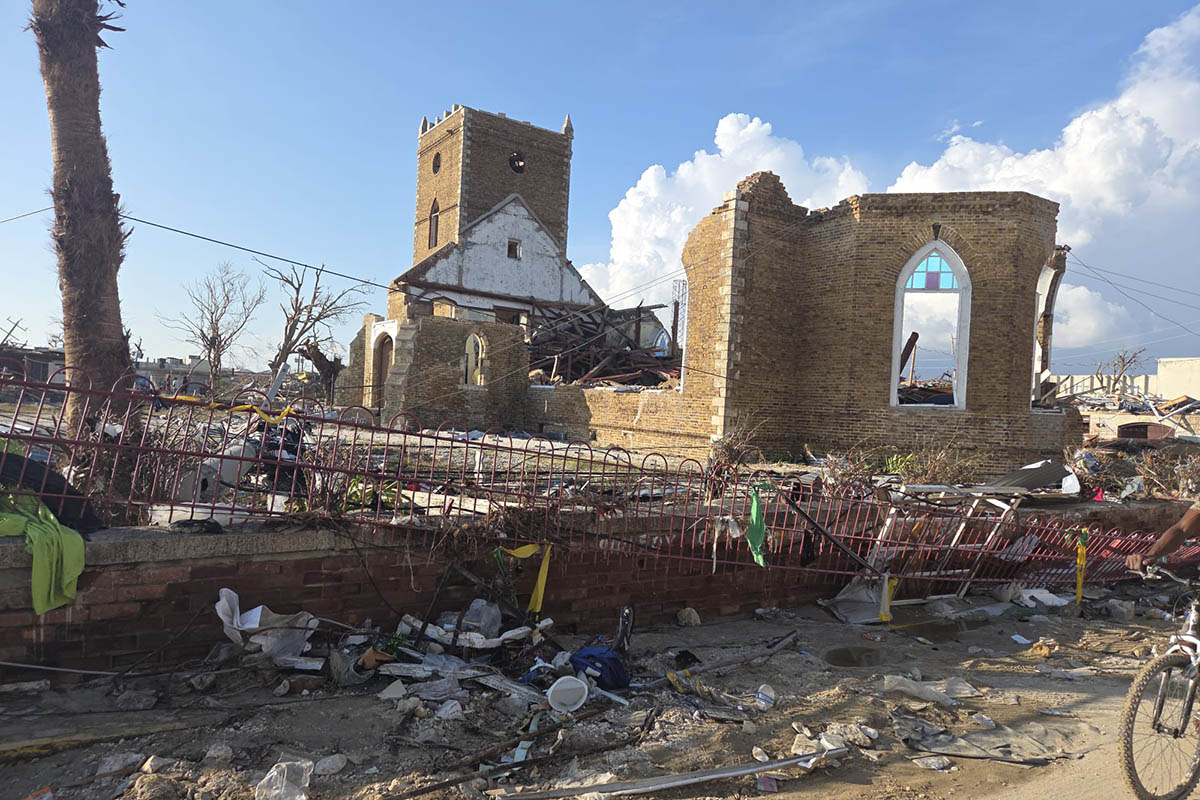
It was my first day back at the college, which had been closed a few days earlier due to the hurricane. Dubbed the “storm of the century”, Melissa’s ferocious winds had demolished entire buildings, destroyed homes, and killed dozens, including children. Despite the efforts of the school’s staff to support students, who were reeling from the trauma of the hurricane, there was a distinct difference in the atmosphere.
The very air was thickened by the weight of loss as, for a second consecutive year, the vulnerable Caribbean island nation paid the price for centuries of pollution and environmental degradation by larger, more developed nations, whose insatiable greed had created one of humanity’s greatest crises- climate change.
You have to live it, taste it, be on the ground and see it, to understand the raw reality of a disaster of this magnitude. You have to feel the gut-wrenching fear for your safety as forecasters predict destruction of biblical proportions, or hold a friend and absorb her sobs as she struggles to come to terms with the fact that she does not know whether members of her immediate family are dead or alive.
Hearing my friend’s cries, the desperation in her voice, I knew I needed to do something about it. How can I stand by and watch this crime against nature and humanity and do nothing? But what can I do? I felt more and more helpless.
As I stood with my fellow students, I struggled to unclench my eyebrows. The helplessness was turning to an anger that churned in my chest, as the sting of the injustice of climate change overwhelmed me. It was clear by then that the tens of thousands of completely demolished homes and businesses, the masses without electricity and running water, the dead relatives, all part of the unbearable tragedy that the first hours and days after the hurricane had unveiled, were just the beginning.
The devastation was going to last months, years. Today, less than three months on, outsiders fascinated with the sensationalised news stories have already lost interest, as the coverage dies down. But the tragedy is far from over. The reality is that as I write, thousands of Jamaicans are still in dire need, homeless, and barely surviving off charity.
But something happened on that day at the Edna Manley College, as we attended a special assembly. Even as we cried and faced the toughness of our reality, my resentment was quickly replaced by another much stronger emotion: hope.
Many of the students had lost everything in the hurricane, their futures and livelihoods suddenly plunged into deep uncertainty, yet they still had hope, and even more, they still had empathy for those worse off than them and a desire to act. Many were focused on donating what little they had, their time, their money, clothes, or cans of food, to the people of St Elizabeth, the area that bore the brunt of the disaster.
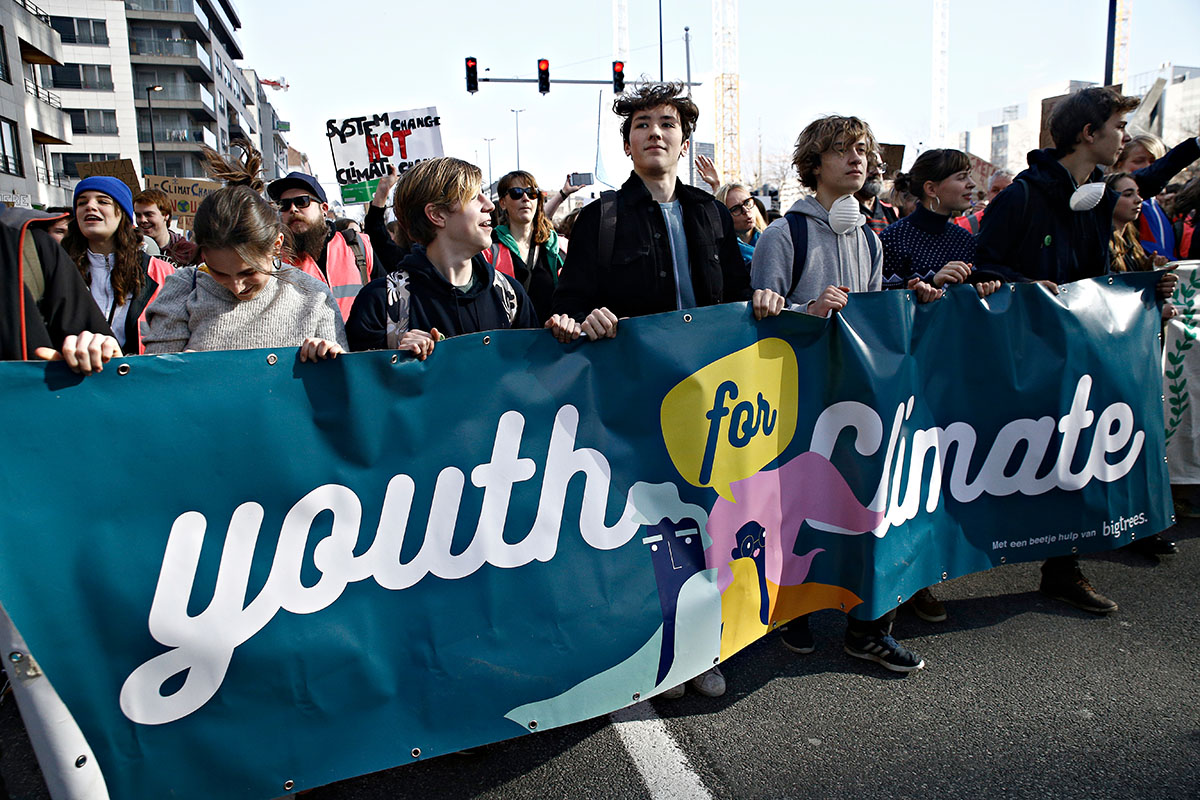
That was when the truth hit me that the climate crisis and the predicted destruction that comes with it is not an inevitability, a certainty passed down by previous generations that the youth of today simply must accept. It is a challenge, a gauntlet for us to pick up and continue the fight. We, as young people, have been handed the task of going to war for our environment and advocating for justice for those on the front line of climate change.
And as long as we have hope, the fight is far from over.
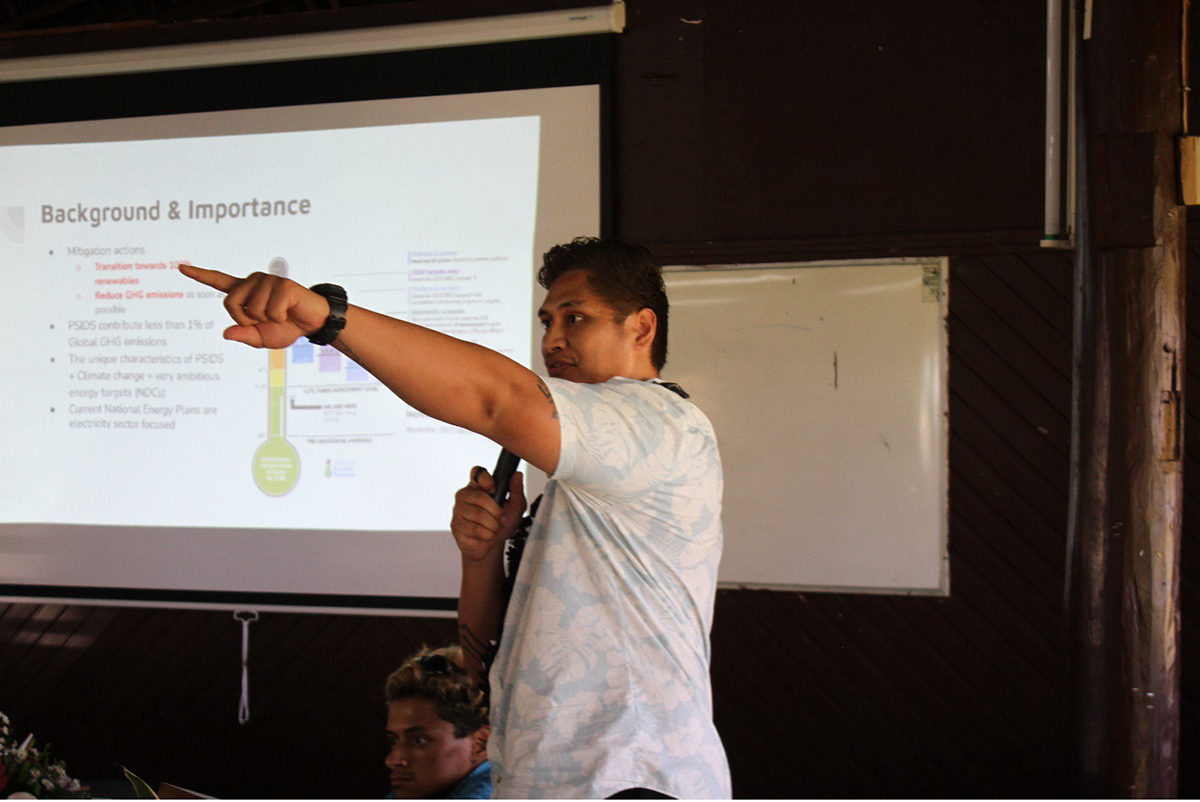
This revelation inspired me to search deeper into youth climate advocacy, and led me to a story about a group of law students in the small Pacific nation of Vanuatu, who had lobbied their government to take their climate justice case to the UN International Court of Justice.
This action started a global movement with dozens of countries submitting evidence in the case and resulted in a historic advisory opinion from the International Court of Justice, which said that nations that fail to curb fossil fuels could be ordered to pay reparations.
As young people, we are far from powerless. All around the world, fellow soldiers are in the trenches, fighting for justice. We have the greatest stake in the fight for our environment. It is our future. So, it is up to us to secure our futures using all our talents, our energy and our voices to protect our planet.
As long as we have hope, the fight is far from over.
Makaila Duncan is a British-Vincentian student who aspires to be an international lawyer. She is passionate about advocating for climate justice for vulnerable island states.