
During India’s national struggle, the position of women took a turn for the better, writes Abhay Shah, 17, a Correspondent from Siliguri in India. Mahatma Gandhi, Pandit Nehru and Dr. Rajendra Prasad began to think deeply about the urgent need for women’s emancipation. Gandhi, Nehru and Prasad realised that so long as women of the …
Showing Results For:

nd , 2025

Tag: India
Page 1 of 32
Health, Safety & Wellbeing | Social Development
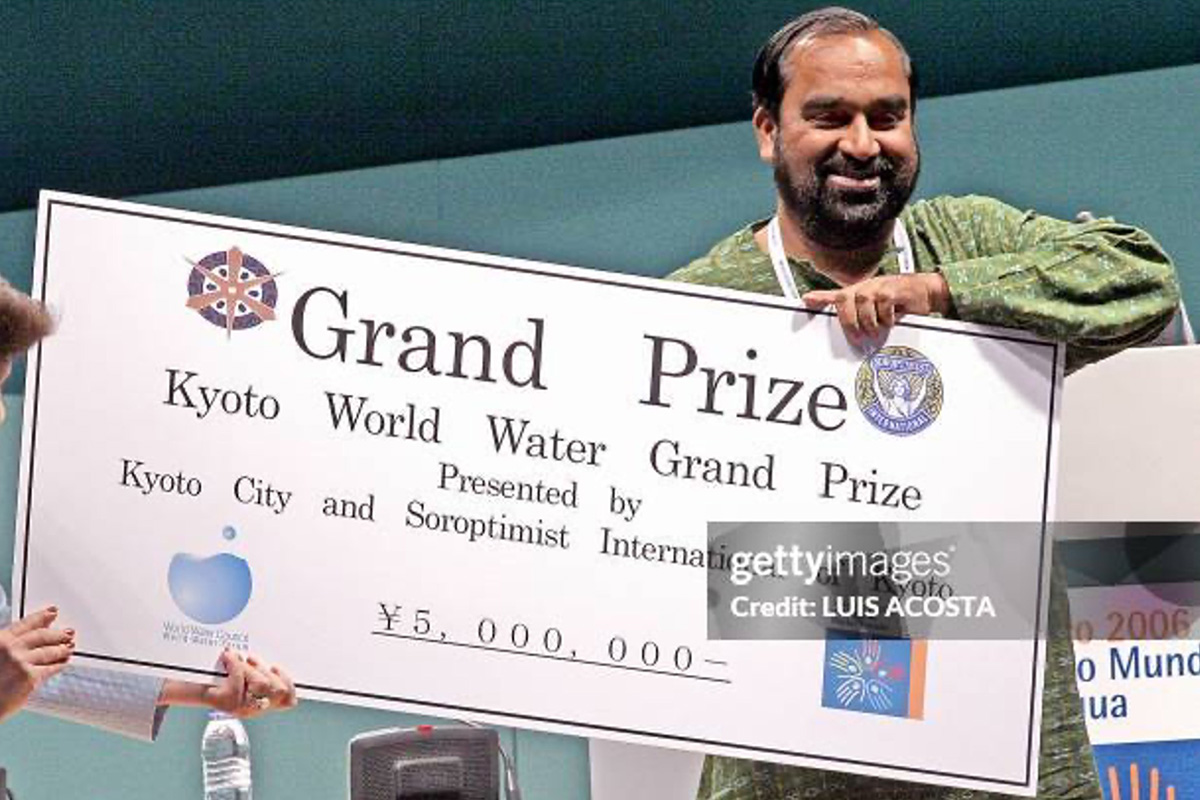
Joe Madiath: A Visionary Leader Who Transformed Rural India
April 22by Sameer Misra Joe Madiath has transformed rural India in a manner that has never been seen before. …
Joe Madiath: A Visionary Leader Who Transformed Rural India Read More »
Read more
India’s transgender community has been a target of chronic violence, intolerance and stereotyping. Sugandha Parmar, 23, a Correspondent in Kanpur, India, writes that the Transgender (Protection of Rights) Bill promises protection of rights and facilitates acceptance in social spaces. Such a legislative move engenders fresh questions amongst those aspiring for reform. Underpinning several LGBTQI discourses lies a …
Young people with disabilities have numerous concerns, especially in the developing world, writes Vibhu Sharma, 24, a Correspondent from Delhi in India, who notes the problems created by discrimination and social exclusion. It is difficult for most students with visual impairment to seek admission in general schools. Lack of adequate school infrastructure, unawareness amongst teachers …
War and peace has been a focal issue in all periods of history, writes Abhay Shah, 17, a Correspondent from Siliguri in India. Lessons have been learned, but he argues that humankind must learn how to manage ongoing and new crises that threaten peace. The concern of humankind for peace can be assessed by taking …
Building peace means finding ways to defuse the hate speech of terrorists, writes Mridul Upadhyay, 25, a Commonwealth Correspondent from New Delhi, as he describes a workshop that gave activists strategies for this important mission. “We, the peace builders, need to understand that the reach of ISIS type extremist groups is getting much better than the peace …
India can rightly claim to be making continuous efforts to look after persons with disabilities, writes Vibhu Sharma, 24, a Correspondent from Delhi in India, but the issue now is to implement the laws that are on the books. In 1997, India set up a corporation to provide loans to disabled people to facilitate their economic …
For centuries, the role of the press has been recognised as the Fourth Estate and as a forum for public discussion, writes Abhay Shah, 17, a Commonwealth Correspondent from Siliguri in India. As World Press Freedom day approaches, he describes the balance that the media must strike in maintaining that role. Democracy cannot thrive in …
Unhappy experience with racism prompts McPherlain Chungu, 21, a Commonwealth Correspondent from Zambia now studying in India, to reflect on the role of apathy. He argues that each individual can combat racism by speaking up and looking for ways in which we are similar rather than different. Just weeks ago, ten Nigerian students sustained severe injuries after …
Five years after a rape case that shook society in India and made headlines around the world, Shiboni D’Souza, 23, a Correspondent from Bangalore in India, looks at the changes in law and public perception that have evolved since the horrendous attack on a woman now known as “Nirbhaya”. It has been almost five years …
The world counts on humanitarian intervention when human rights are violated. Here, Abhay Shah, 18, a Commonwealth Correspondent from Siliguri in India, looks at how the imperative for humanitarian intervention flows from the principle of “responsibility to protect”, and what that means for policy and assessing need for action. Humanitarian intervention is the state of use …