What It Means to Write Human In The Era Of Artificial Intelligence?
August 9by G Sai Prashanth
Have you ever wondered how you used to write before you started using AI? With no guidance, no nudges, no rephrasing, and no grammar corrections. We now write more prompts than actual articles, papers or content.
Before any of this AI, I trained as a journalist. I was taught how to craft a headline that earns a click without lying to get it. How to start an article with a lead and a hook that answers who, what, when and where in one breath, and saves why and how for the body. How to structure a story in an inverted pyramid with the most important fact first, then the next most important, with relevance reducing line by line, so that someone quitting after a paragraph two still walks away with the story. How to edit a 900-word piece down to 400 without losing the spine of it. How to hook a reader in the first eight seconds, because that is what you get before they scroll.
None of that was about having a beautiful sentence in you. It was about personal judgment. What matters most. What can be cut without the story bleeding out. Where the reader’s attention breaks, and what you put right before that break to keep them past it.
I was wondering what changed now. The part of writing sentences describing the actual event is being generated now, the part where you sit and produce prose is now being generated within minutes. I can ask a model to draft a paragraph in the structure I learned to build by hand from books. It will give me something clean, grammatical, and beautifully paced. Three years ago that draft would have taken me twenty minutes and some real friction. Now it takes four seconds and none.
So what is left that’s actually mine?
The judgment is left. The part which journalism or any writing school never called “writing” out loud. Even though it was the whole point of writing. The decision part of what is worth saying. Deciding what the reader actually needs to walk away with is not something that you can generate. For a Large Language Model which has no stakes in being wrong it is actually statistically a safer move when trained with billions of examples. A human writer with something to lose picks a side.
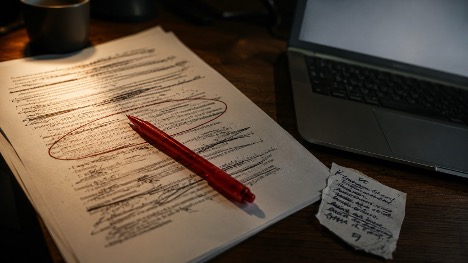
That is the part AI cannot do for me. It is not the skill of writing, but it’s an editorial one which is got through a red pen in hand and a professor cutting your whole article telling me that there is no story in the article that I crafted by hand. The AI model has no way to know which sentence deserved to exist in the first place, not without me telling it.
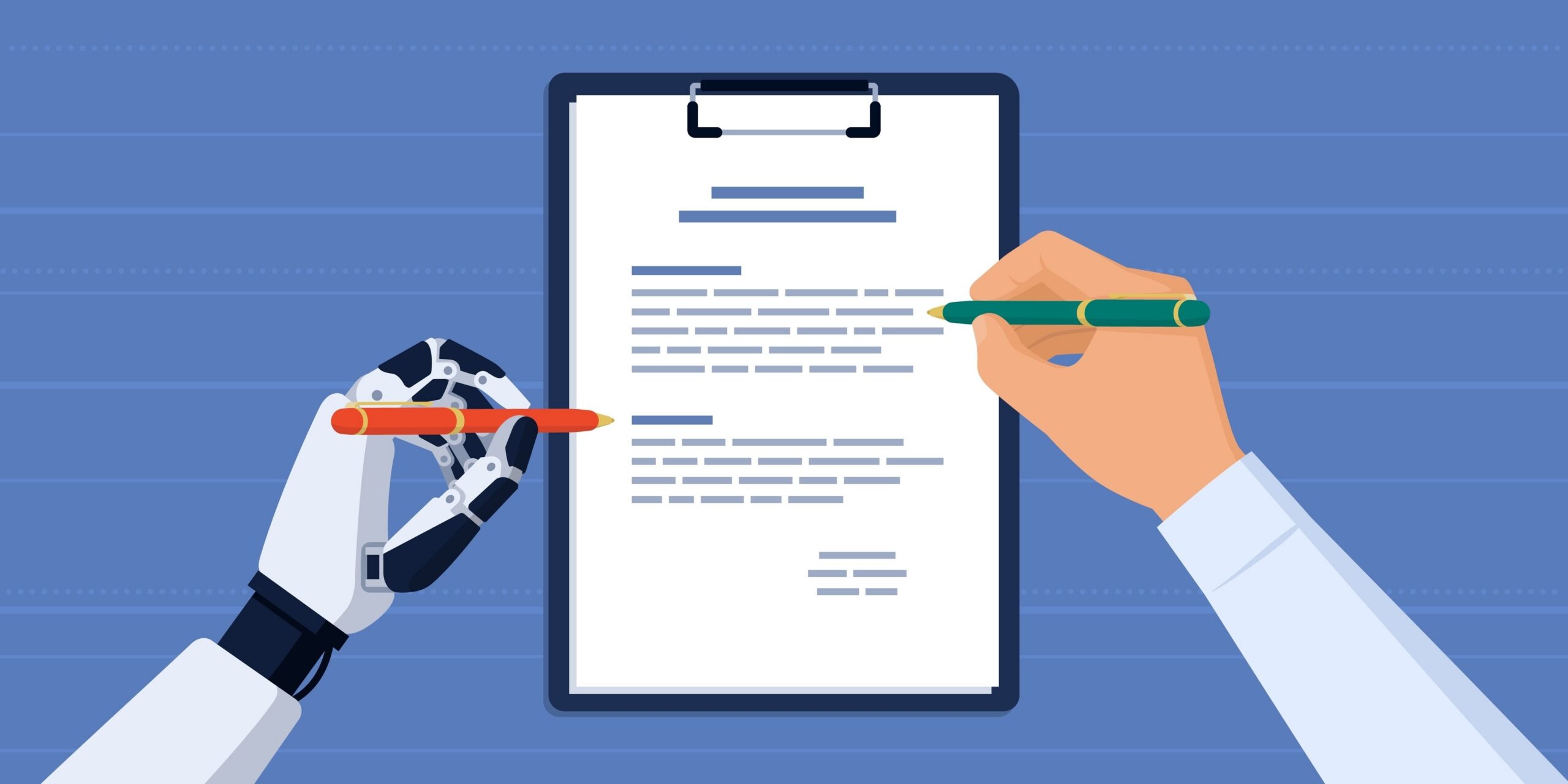
So “writing human” in 2026 doesn’t mean refusing to use the tool, and it does not mean pretending I typed every word of this article by hand. It means the inverted pyramid and the hour glass structure that still lives in my head and deciding what goes in paragraph one.
The craft didn’t die. Something that used to live in just typing now lives in the writer’s judgement. Turns out that is the actual skill.