Beyond Scarcity: Why Water Connects Every Nation
August 9by Filipe Costa
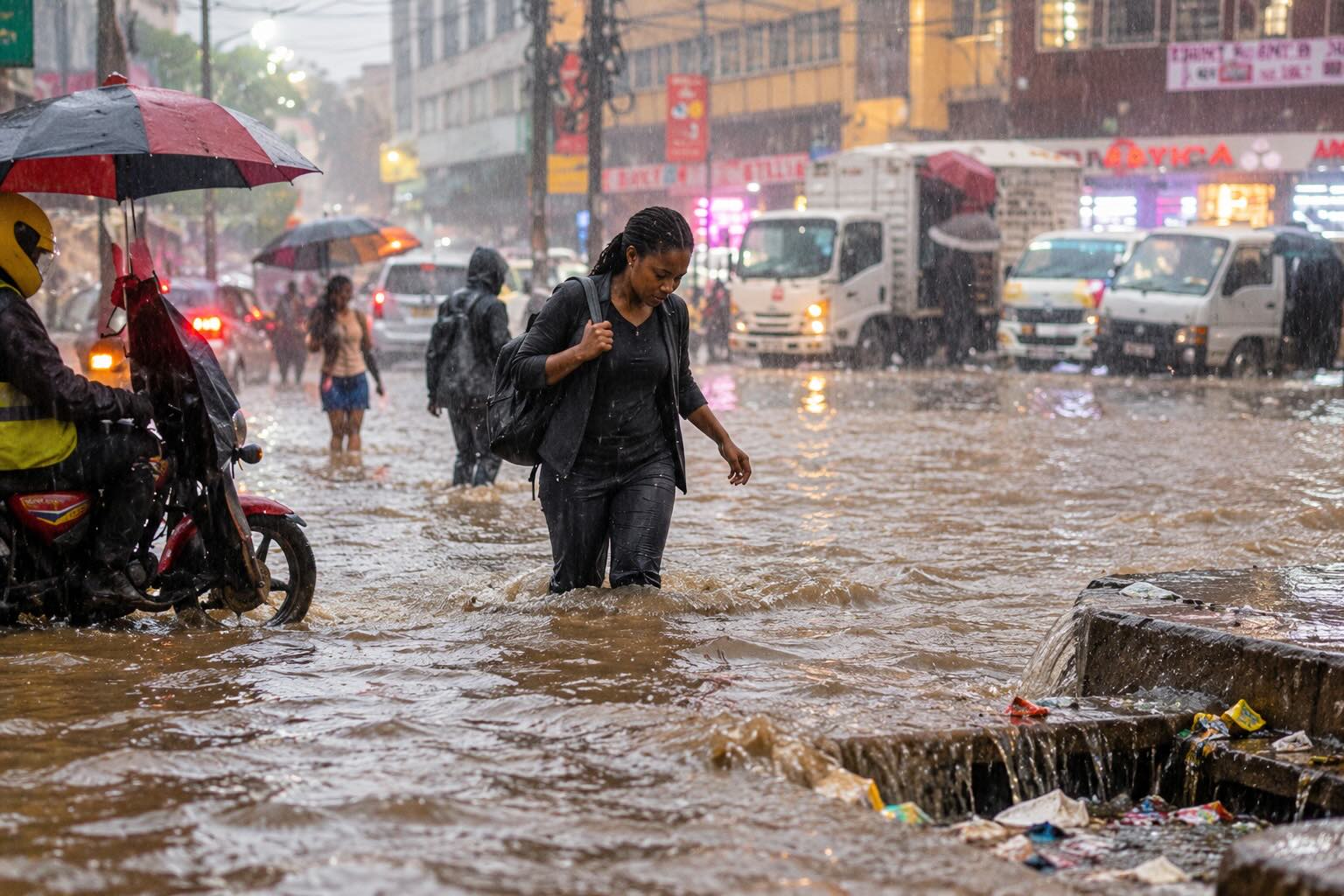
When people think of the UK, they often picture abundant rainfall and water security. However, the record-breaking dry month of July this year demonstrates that even traditionally water-secure nations are increasingly vulnerable. This highlights an important reality: water insecurity is no longer confined to traditionally dry regions.
Climate change, ageing infrastructure, pollution, and increasingly unpredictable rainfall patterns are transforming water as one of the defining challenges of our generation. The Commonwealth provides a unique lens through which to understand this challenge. Although water challenges differ, climate change increasingly connects these experiences and requires collective action.
For Small Island Developing States, water insecurity is not caused by a lack of surrounding water, but by the fragility of freshwater supplies. Kiribati’s low-lying islands are increasingly threatened by rising seas and saltwater intrusion, polluting fragile freshwater supplies and threatening the very existence of the nation-state.
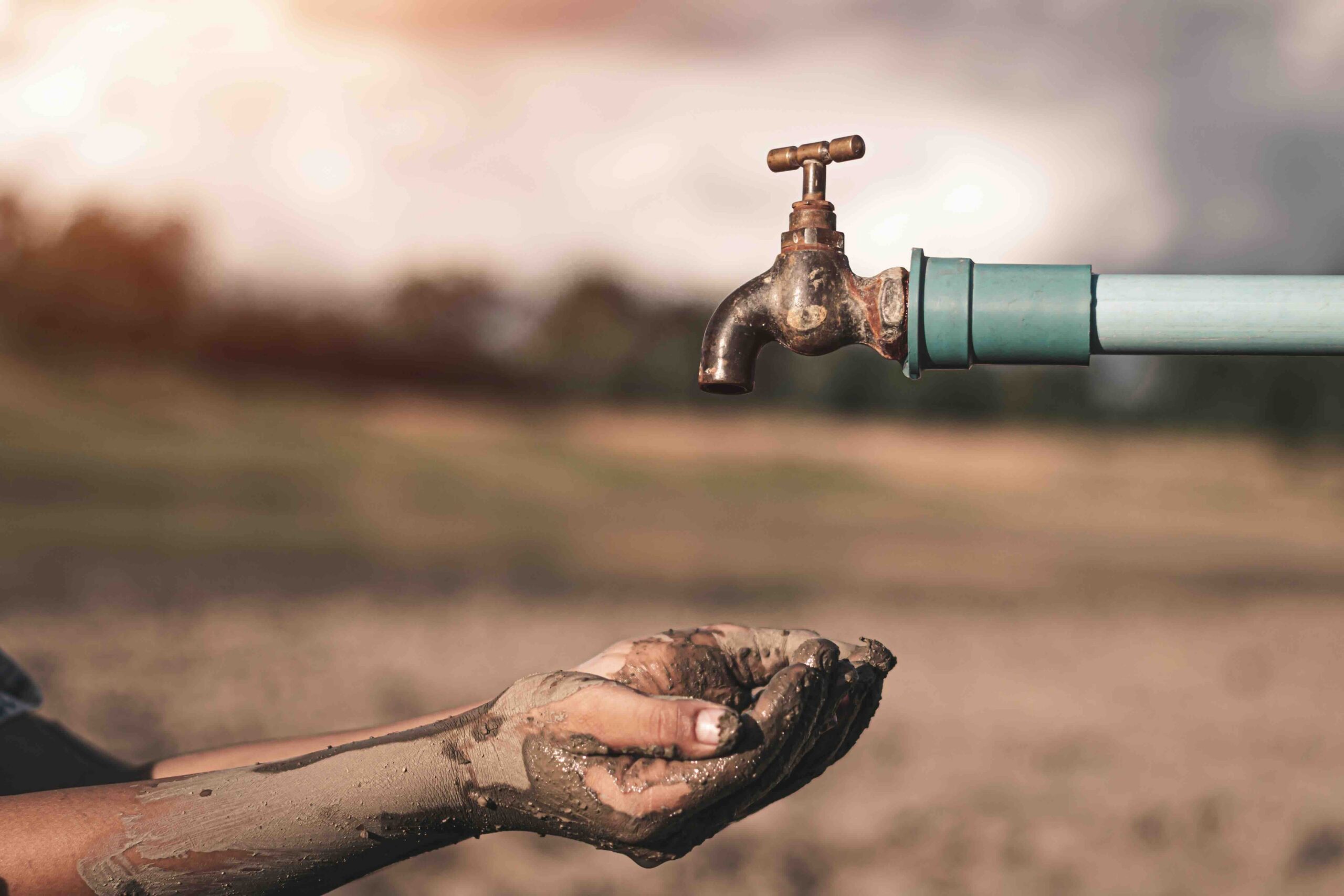
Across Africa, millions still lack access to safely managed drinking water, while climate-driven droughts intensify humanitarian pressures. As of 2024, only 34% of the population had access to basic drinking water services, highlighting the scale of the development challenge that remains. Meanwhile in Southern Africa, the 2023–24 El Niño-driven droughts caused widespread crop failure and food insecurity. More than 27 million people required humanitarian assistance in 2024, demonstrating how rapidly water shortages can escalate into broader humanitarian crises affecting livelihoods, health and regional stability.
The Caribbean faces another set of interconnected water challenges. Increasingly intense hurricanes continue to damage water and sanitation infrastructure, with the region averaging 17 hurricanes annually since 2000. At the same time, ageing distribution networks lose nearly half of treated water through leakage and inefficiency, further straining already limited freshwater resources.
In South Asia, poor water quality highlights that water security is not only about availability but also safe access. In India alone, more than 500,000 deaths in 2019 were linked to water pollution and inadequate water quality.
Together, these examples reveal an important lesson: water security is not simply about the amount of water available. It is equally about how water is governed, managed and protected. This is why global water governance is so important. Water does not follow political borders. Rivers, ecosystems, and the impacts of climate change connect countries and regions, meaning that effective solutions require cooperation beyond national boundaries. Global water governance is therefore not simply about managing water resources; it is about creating the partnerships, knowledge exchange and shared responsibility needed to address challenges that no country can solve alone.
Water security also lies at the heart of the 2030 Agenda for Sustainable Development. Sustainable Development Goal (SDG) 6 seeks to ensure the availability and sustainable management of water and sanitation for all. Yet global progress remains off track. Although significant advances have been made over recent decades, billions of people still lack safely managed water and sanitation services, while climate change continues to place growing pressure on freshwater resources worldwide.
Achieving SDG 6 requires far more than investment in infrastructure alone. It demands stronger institutions, equitable financing, climate adaptation, nature-based solutions and inclusive decision-making. Progress on water also underpins many other SDGs, including those relating to health, food security, education, gender equality, economic development and climate resilience.
The Commonwealth has an important role to play in accelerating this progress. Its diversity provides a valuable platform for countries to exchange knowledge and share practical solutions, from drought preparedness and flood resilience to groundwater protection and integrated water resources management. Through initiatives such as the Commonwealth Climate Finance Access Hub, member states can strengthen their capacity to access climate finance for adaptation projects, including those that improve water security and climate resilience. By building on these programmes and expanding cooperation on water governance, the Commonwealth can help transform national experiences into shared knowledge, strengthen global water governance and accelerate progress towards the 2030 Agenda.
However, water security cannot be achieved by governments and international institutions alone. Young people must be active participants in this transformation. They are often described as the leaders of tomorrow, yet the water challenges of today require their ideas, innovation and leadership now. Across the globe, young people are already developing new technologies, leading community initiatives and advocating for sustainable water management. Their expertise and lived experiences should be integrated into policymaking, not simply acknowledged after decisions have been made.
As the international community prepares for the 2026 UN Water Conference in Abu Dhabi this December, the need for cooperation has never been greater. The conference presents a vital opportunity for governments, international organisations, civil society, researchers and young leaders to strengthen global water governance and accelerate progress towards the 2030 Agenda.
Water connects every nation on Earth, regardless of geography, climate or level of development. Our response must reflect that shared reality. By strengthening international cooperation, exchanging knowledge across borders and empowering young people as partners in decision-making, we can build a more resilient, equitable and water-secure future for all.
Filipe Costa is passionate about youth participation and civic engagement, with a strong commitment to ensuring young people have a meaningful voice in shaping social impact initiatives and their communities. He has recently been selected as a one of 16 Commonwealth Young Leaders Fellows, where he will develop a series of workshops on how young people can engage in local politics and local government in their communities.
Filipe has also participated in UN youth participation initiatives, including as a youth delegate in the 2026 ECOSOC Youth Forum and a participant in the Global Consultation on the Second Youth, Peace and Security Progress Study.
He has previously worked as the Political Assistant to the Elected Mayor of Watford, United Kingdom, where he helped establish Watford’s Youth Panel and the Mayor’s Faith Forum, expanding engagement among underrepresented communities in local politics.