
Youth Essay Winner: How Can Youth Leadership in Ocean and Climate Action Advance Resilience and Sustainability?
September 11by Angel Naa Odarley Lawson, Ghana
Winner of the 2025 Waves of Change, Commonwealth Youth Essay Competition
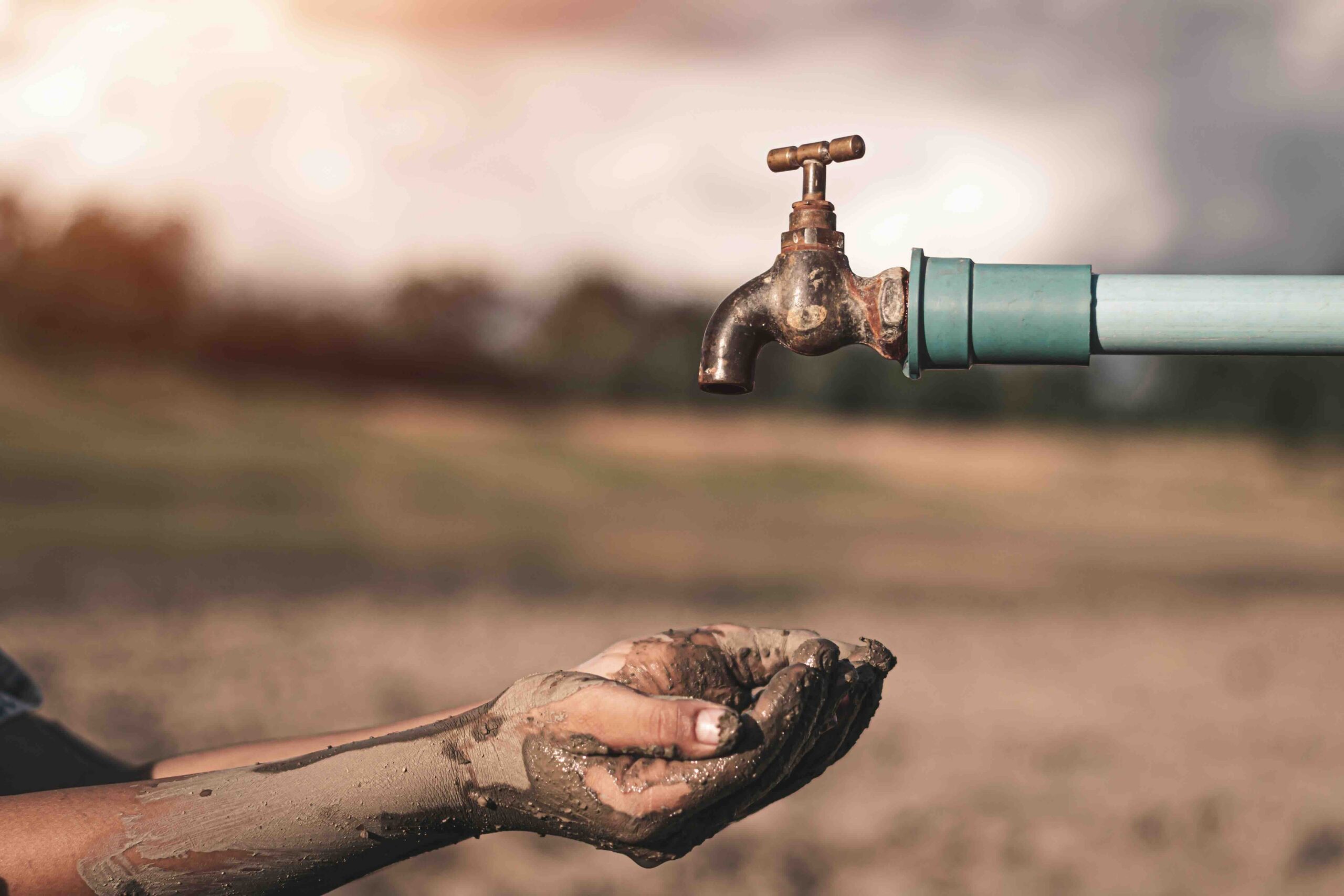
Across the world, a vibrant wave of young leaders is shaping the response to two of humanity’s greatest challenges: climate change and ocean degradation. For the 56 member states of the Commonwealth, home to more than 1.5 billion young people, the stakes are especially high. From the low-lying atolls of the Pacific to the hurricane-prone Caribbean and the drought-stricken regions of Africa, young people are already experiencing the consequences of environmental change. Yet, far from being passive victims, they are mobilising as advocates, innovators, and leaders to build resilience and sustainability in their communities. This essay argues that youth leadership in ocean and climate action is essential for advancing resilience and sustainability because it brings innovation, inclusivity, and urgency to global climate responses.
The climate crisis and the degradation of marine ecosystems are deeply intertwined. Oceans absorb around 90 percent of excess heat caused by greenhouse gas emissions and produce half of the world’s oxygen (IPCC, 2022). Yet they are under severe threat from rising sea levels, plastic pollution, coral bleaching, and unsustainable fishing. For Commonwealth countries, particularly small island developing states (SIDS) and coastal nations, the ocean is both a lifeline and a vulnerability.
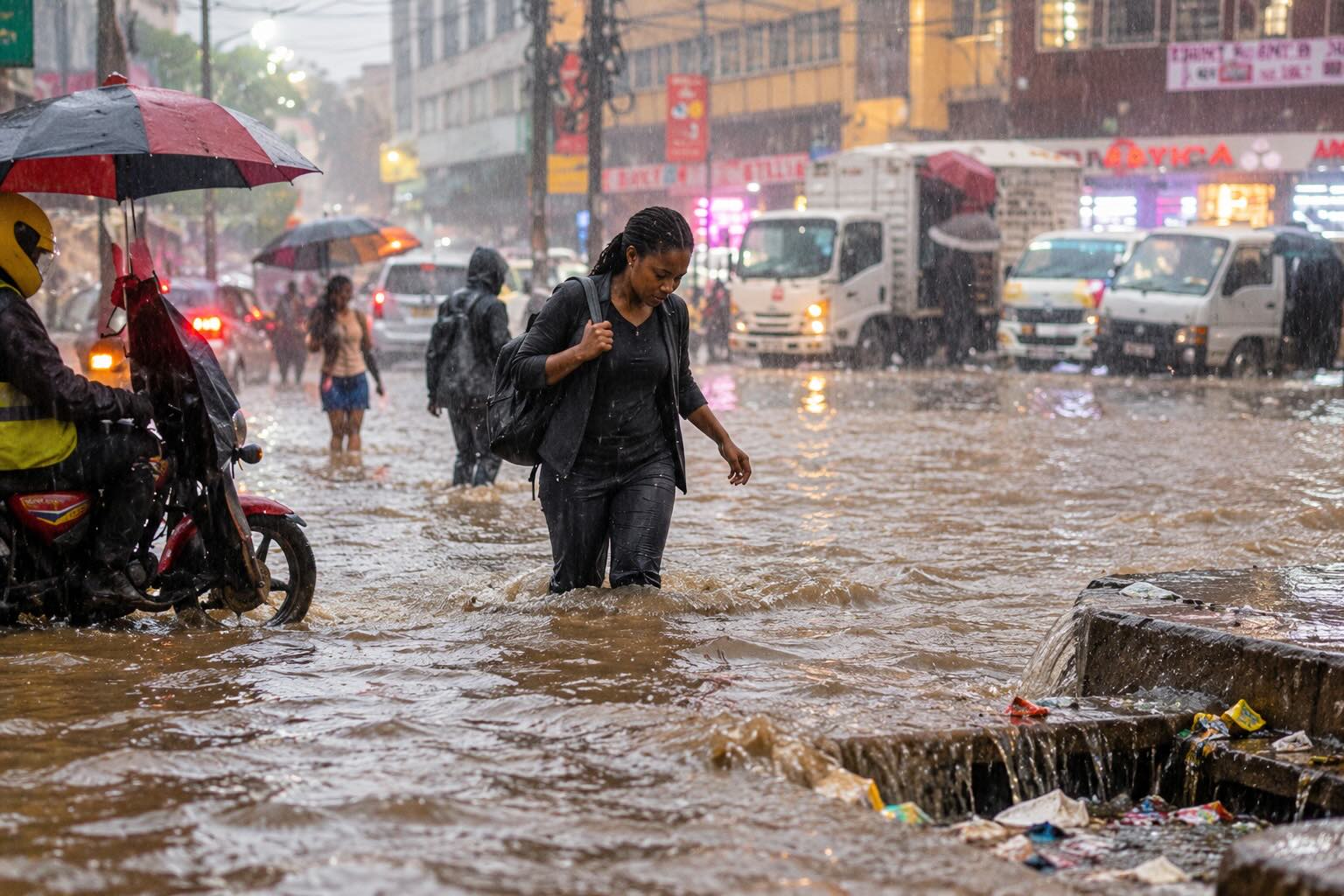
At the same time, climate change is intensifying floods, droughts, wildfires, and tropical storms, with devastating consequences for livelihoods, food security, and health. According to the IPCC, more than 3.3 to 3.6 billion people already live in countries highly vulnerable to climate risks (World Resources Institute, 2022). Young people in the Commonwealth will live through more frequent and severe climate events than any generation before them, making their leadership indispensable.
Young people are at the forefront of climate and ocean innovation. Across the Commonwealth, youth are pioneering renewable energy solutions, using digital technologies to monitor marine ecosystems, and developing community-led adaptation strategies. For example, youth innovators in Kenya and Zimbabwe, supported by UNDP, have received training in climate finance and project design, enabling them to scale up climate-smart solutions (UNDP, 2025a). Such initiatives demonstrate that empowering youth with green skills fosters resilience while preparing economies for sustainable transitions.
Youth have been powerful advocates for climate justice, ensuring that the voices of vulnerable communities are heard in international negotiations. Caribbean youth, through organisations like the Caribbean Youth Environmental Network (CYEN), have taken leadership roles in UN climate conferences, amplifying the call for fair financing and loss-and-damage mechanisms (Robinson & Jeffers, 2025). Their activism underscores that resilience is not only about physical infrastructure but also about equity, dignity, and intergenerational justice.
Resilience is more than rebuilding after disasters; it requires strong social fabrics that can withstand shocks. Young leaders contribute by engaging communities in climate education, promoting sustainable practices, and fostering social cohesion. In Burundi, youth climate ambassador clubs have transformed schools and neighbourhoods into hubs of grassroots action, spreading awareness about water conservation, forest protection, and plastic reduction (UNDP, 2025a). These local initiatives build the foundations of resilience from the ground up.
Youth leadership is also reshaping governance structures. Across the Commonwealth, young people are pushing for meaningful participation in decision-making. From Panama’s Climate Change Academy for Young Leaders to the Commonwealth Youth Climate Change Network (CYCN), youth are not only demanding seats at the table but also demonstrating their ability to shape inclusive and effective policies (Commonwealth Secretariat, n.d.). By embedding youth perspectives into governance, countries enhance both resilience and sustainability.
Youth leadership contributes to resilience and sustainability in three interconnected dimensions:
1. Climate-Resilient Societies: By driving renewable energy projects, climate-smart agriculture, and disaster preparedness, young people strengthen the ability of communities to withstand shocks. For instance, youth-led projects in Guinea have aligned directly with national climate plans, ensuring grassroots innovation complements state-level resilience strategies (UNDP, 2025a).
2. Healthy and Sustainable Oceans: Youth have led campaigns against marine pollution, promoted sustainable fisheries, and advanced ocean literacy. In Pacific island states, young leaders are central to the Blue Charter Action Groups, promoting sustainable ocean governance (Commonwealth Secretariat, 2019). Protecting marine ecosystems enhances food security, supports livelihoods, and stabilises the climate system.
3. Intergenerational Equity and Inclusivity: By demanding a place in negotiations and policymaking, youth ensure that long-term sustainability remains a priority. Their leadership promotes policies that are inclusive, forward-looking, and centred on the rights of future generations (World Resources Institute, 2022).
To fully unlock the transformative potential of youth leadership in climate and ocean action, the Commonwealth and its member states should adopt the following measures:
1. Youth-Led Innovation Funds: Establish dedicated financing mechanisms to scale up youth-driven solutions in renewable energy, conservation, and adaptation.
2. Integrating Climate and Ocean Literacy in Education: Embed sustainability and blue economy concepts into school curricula to cultivate future-ready citizens.
3. Institutionalising Youth Representation: Create formal youth advisory councils within climate and ocean governance bodies to ensure consistent participation (Commonwealth Secretariat, n.d.).
4. Mentorship and Exchange Platforms: Facilitate partnerships between young leaders, policymakers, scientists, and financiers to foster co-creation of solutions.
5. Mental Health and Climate Resilience Support: Provide psychosocial support for youth experiencing eco-anxiety or displacement, ensuring their wellbeing as they lead resilience efforts (Robinson & Jeffers, 2025).
In conclusion, youth are not only the leaders of tomorrow—they are the waves of change today. Their leadership in ocean and climate action is advancing resilience by strengthening communities, safeguarding ecosystems, and shaping inclusive governance. Their creativity and energy are building sustainability by pioneering innovations, driving justice, and inspiring collective action. For the Commonwealth, which represents a third of the world’s population and the majority of its small island states, empowering youth leadership is not just strategic—it is essential. By harnessing the power of young people, the Commonwealth can chart a course toward a more resilient and sustainable future for generations to come.
References
• Commonwealth Secretariat. (2019). Commonwealth Blue Charter. Retrieved from https://thecommonwealth.org/bluecharter
• Commonwealth Secretariat. (n.d.). Commonwealth Youth Climate Change Network (CYCN). Retrieved from https://thecommonwealth.org/our-work/youth-networks/commonwealth-youth-climate-change-network-cycn
• Intergovernmental Panel on Climate Change. (2022). Climate Change 2022: Impacts, Adaptation and Vulnerability (Working Group II Contribution to the Sixth Assessment Report). Cambridge University Press. https://www.ipcc.ch/report/ar6/wg2/
• Robinson, G., & Jeffers, E. (2025). Why Youth Leadership in Climate Change is Critical for Building Resilience in the Caribbean Region. Caribbean Youth Environmental Network.
• United Nations Development Programme. (2025a). Supporting youth to lead climate action in Burundi, Guinea, Kenya, Panama and Zimbabwe. UNDP Climate Promise. https://climatepromise.undp.org
• World Resources Institute. (2022). 6 Big Findings from the IPCC 2022 Report on Climate Impacts, Adaptation, and Vulnerability. Retrieved from https://www.wri.org/insights/ipcc-report-2022-climate-impacts-adaptation-vulnerability