Conflict and ViolenceJusticeTerrorism
Home Our latest stories Conflict and ViolenceJustice The Silence That Still Echoes: 28 Years After Kenya’s Darkest Morning.

The Silence That Still Echoes: 28 Years After Kenya’s Darkest Morning.

September 11th, 2026

by Joyce Wachau Chege

Outside the gates of the August 7th Memorial Park along Haile Selassie Avenue, Nairobi moves with its usual urgency. Matatus rumble along Haile Selassie Avenue, pedestrians weave through traffic, and the city presses forward as it always has. But inside, time slows. The green park, all the way to the bubbling fountain and just in front of it, the huge granite wall of names. Conversations soften. Every step is deliberate and the air seems charged with something unspoken.

Last month, 28 years ago, 7th of August, the twin terrorist attack happened, both here in Nairobi, Kenya and Dar es Salaam, Tanzania. More than 200 were killed and thousands injured, windows on nearby buildings completely shattered. I intentionally went to the site after I left work, before boarding a bus for home, not to write another anniversary recap, but to be present, to understand what remains. What I found was a place carrying more grief than its footprint suggests, and a cry for justice that, nearly three decades on, is still unresolved.

The museum sits now on the same ground where the embassy once stood majestically, and it does not let you forget it. At some point, I remember thinking that the air conditioning inside the museum is either set too cold, or maybe it wasn’t the AC at all. The chill that seems to live in the walls of this small building is very much palpable. It’s hard to tell where the temperature ends and the solemn atmosphere begins. Stories line the walls. Photographs, the ones you won’t find repeated across every news outlet’s anniversary coverage, because visitors are asked not to photograph the interior documents, are hard to look away from. The exhibitions, the documentaries, they command your attention! They reel you in! and so I stand closer, my nose barely inches from the pictures and I raise my finger and run it along one of the frames, so carefully.

Everyday objects turned into evidence of an ordinary Friday morning that stopped being ordinary at 10:30 a.m. are displayed.

Every year, families and survivors gather here for prayers and remembrance. There are wreaths laid, moments of silence, and testimonies, the same names recalled, speeches that, one guide told me, carry a little more weight with each passing year, because the physical and psychological scars don’t fade the way memory does.

 “People are forgetting, just not those who visit this place every year,” is a phrase I heard more than once, a reminder that while a nation moved on, many survivors never truly could. The incident, to much of the country, is fading into history. Unfortunately, victims are still fighting, in Kenyan courts and in the United State too, for compensation, 28 years after the attack!

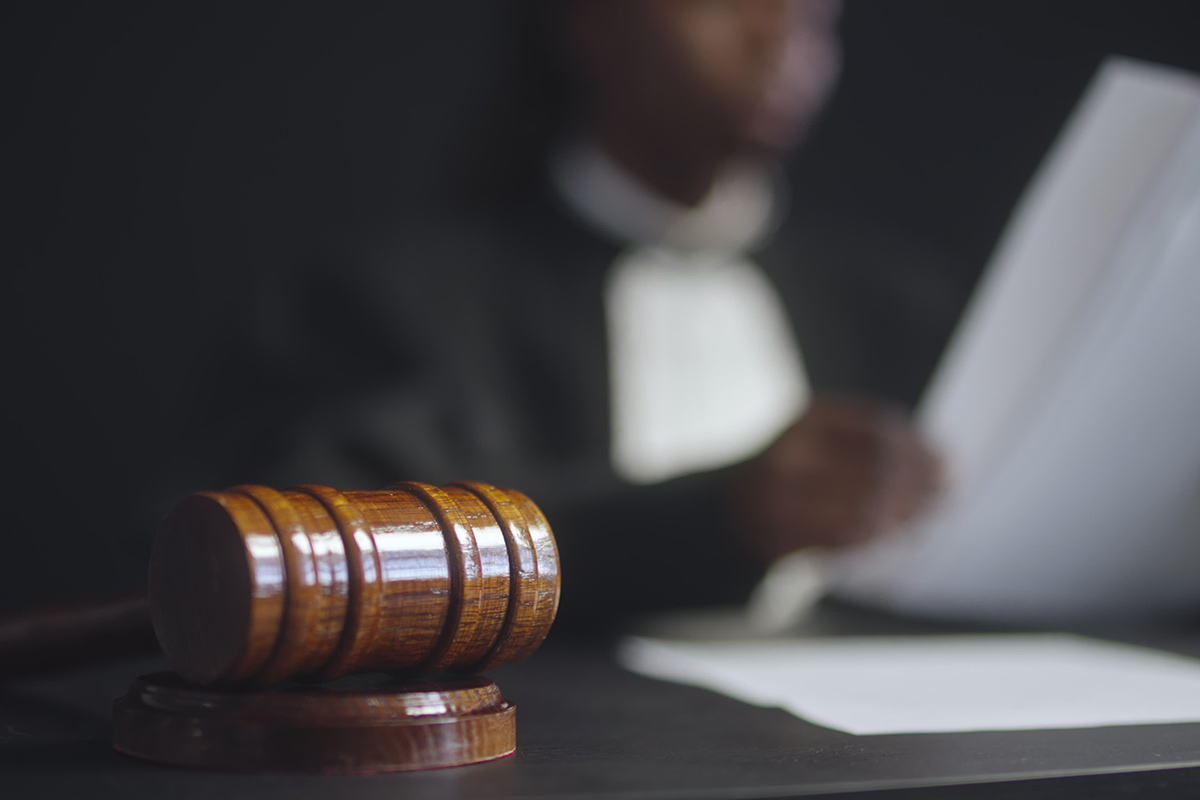
In 2021, Kituo Cha Sheria, an NGO, filed a petition in Kenya’s High Court in Nairobi on behalf of survivors seeking compensation. It was dismissed. The court’s reasoning was that the petitioners failed to prove the Kenyan government had prior intelligence that could have prevented the attack and without that proof, the state could not be held liable to compensate them.

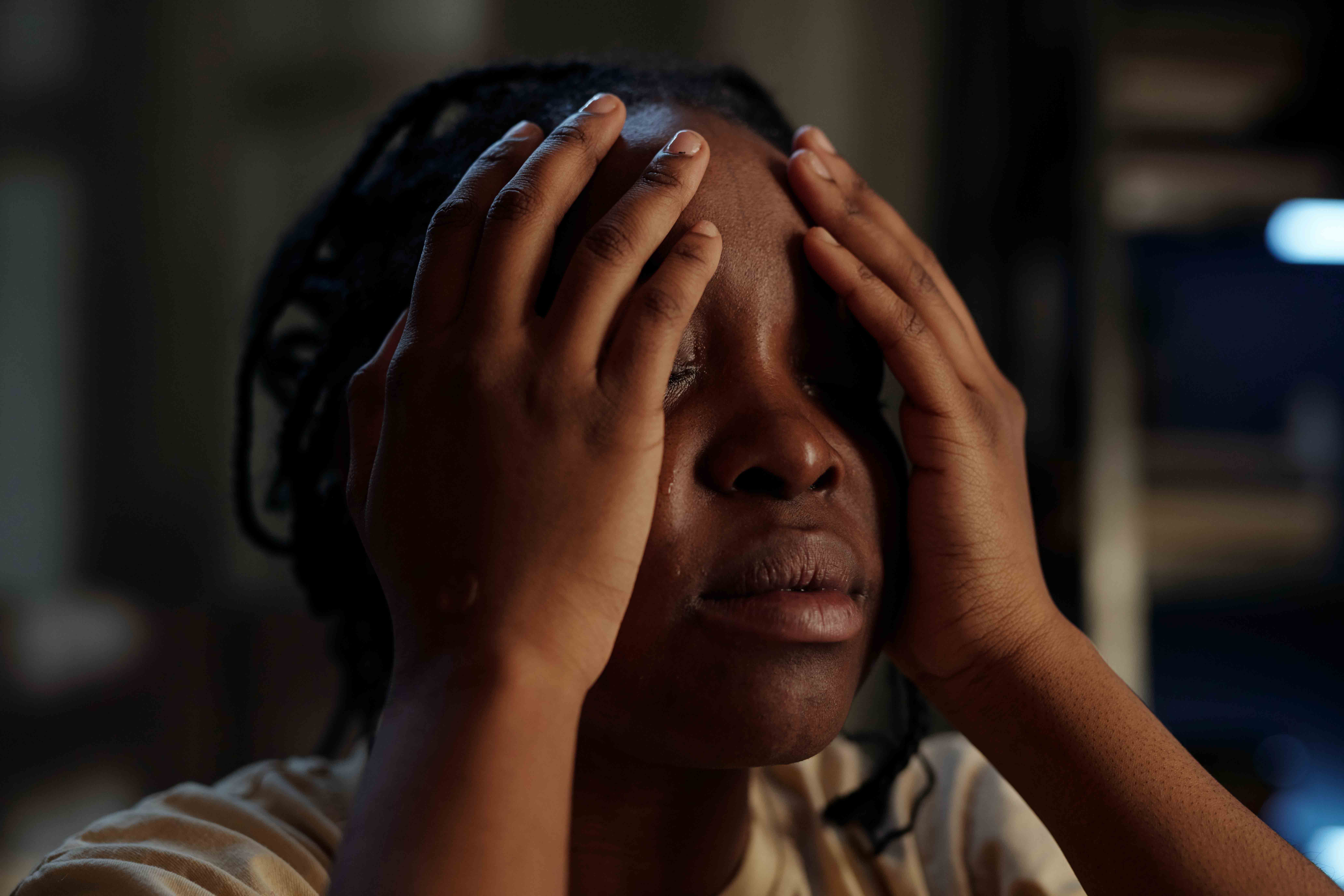
The victims and survivors did not know, when they woke that morning, that they were about to cross an invisible line between the lives they had known and the lives they would be forced to live afterwards. That is what terrorism does: it takes an ordinary moment and divides a life into before and after and yet the legal setbacks continue to make it harder to get the deserved justice.

In April 2024, Kenyan authorities established an ad hoc committee to engage the U.S. Congress in pushing for justice for survivors and victims. They have marched on the streets; they have gone to court. They have also written directly to the President; one letter is dated May 26, 2026. We are unfortunately, yet to see the results of this.

A wall can preserve a name, but it cannot restore a life. Memorials preserve the memories, but what about the justice that comes with restoration of dignity? Compensation? Accountability? I believe the government has gravely failed the victims and fallen far short of its responsibility towards them. Their wounds have endured long after the headlines faded, yet even their claim to justice remains contested. That is precisely why we must remember.

Share

About the author

Joyce Wachau Chege

Joyce Wachau Chege is a journalist from Kenya who enjoys reading books and writing stories. She enjoys travelling and one of her biggest ambitions is to be able to cover stories beyond her country and share them with the world.

Related articles

Health, Safety & WellbeingHuman RightsJusticeMental HealthPeace BuildingPeace and JusticeWomen's Empowerment
Democracy & ParticipationFairness & EquityGender EquityHuman RightsJustice
View all

Submit your content

Submit a video
Submit an article

by Joyce Wachau Chege

Outside the gates of the August 7th Memorial Park along Haile Selassie Avenue, Nairobi moves with its usual urgency. Matatus rumble along Haile Selassie Avenue, pedestrians weave through traffic, and the city presses forward as it always has. But inside, time slows. The green park, all the way to the bubbling fountain and just in front of it, the huge granite wall of names. Conversations soften. Every step is deliberate and the air seems charged with something unspoken.

Last month, 28 years ago, 7th of August, the twin terrorist attack happened, both here in Nairobi, Kenya and Dar es Salaam, Tanzania. More than 200 were killed and thousands injured, windows on nearby buildings completely shattered. I intentionally went to the site after I left work, before boarding a bus for home, not to write another anniversary recap, but to be present, to understand what remains. What I found was a place carrying more grief than its footprint suggests, and a cry for justice that, nearly three decades on, is still unresolved.

The museum sits now on the same ground where the embassy once stood majestically, and it does not let you forget it. At some point, I remember thinking that the air conditioning inside the museum is either set too cold, or maybe it wasn’t the AC at all. The chill that seems to live in the walls of this small building is very much palpable. It’s hard to tell where the temperature ends and the solemn atmosphere begins. Stories line the walls. Photographs, the ones you won’t find repeated across every news outlet’s anniversary coverage, because visitors are asked not to photograph the interior documents, are hard to look away from. The exhibitions, the documentaries, they command your attention! They reel you in! and so I stand closer, my nose barely inches from the pictures and I raise my finger and run it along one of the frames, so carefully.

Everyday objects turned into evidence of an ordinary Friday morning that stopped being ordinary at 10:30 a.m. are displayed.

Every year, families and survivors gather here for prayers and remembrance. There are wreaths laid, moments of silence, and testimonies, the same names recalled, speeches that, one guide told me, carry a little more weight with each passing year, because the physical and psychological scars don’t fade the way memory does.

 “People are forgetting, just not those who visit this place every year,” is a phrase I heard more than once, a reminder that while a nation moved on, many survivors never truly could. The incident, to much of the country, is fading into history. Unfortunately, victims are still fighting, in Kenyan courts and in the United State too, for compensation, 28 years after the attack!

In 2021, Kituo Cha Sheria, an NGO, filed a petition in Kenya’s High Court in Nairobi on behalf of survivors seeking compensation. It was dismissed. The court’s reasoning was that the petitioners failed to prove the Kenyan government had prior intelligence that could have prevented the attack and without that proof, the state could not be held liable to compensate them.

The victims and survivors did not know, when they woke that morning, that they were about to cross an invisible line between the lives they had known and the lives they would be forced to live afterwards. That is what terrorism does: it takes an ordinary moment and divides a life into before and after and yet the legal setbacks continue to make it harder to get the deserved justice.

In April 2024, Kenyan authorities established an ad hoc committee to engage the U.S. Congress in pushing for justice for survivors and victims. They have marched on the streets; they have gone to court. They have also written directly to the President; one letter is dated May 26, 2026. We are unfortunately, yet to see the results of this.

A wall can preserve a name, but it cannot restore a life. Memorials preserve the memories, but what about the justice that comes with restoration of dignity? Compensation? Accountability? I believe the government has gravely failed the victims and fallen far short of its responsibility towards them. Their wounds have endured long after the headlines faded, yet even their claim to justice remains contested. That is precisely why we must remember.