Health, Safety & WellbeingHuman RightsJusticeMental HealthPeace BuildingPeace and JusticeWomen's Empowerment

Loving Nigeria Feels Like Self-Harm

April 6th, 2026

Where are our leaders? We are tired, I am tired. We are angry, I am angry. We just want to live comfortably.

by Similoluwa Ifedayo

When overwhelmed, I disconnect from people, from places, from events, from social media, from the news, and the most relevant one to this article, my country, Nigeria.

It is not just withdrawal, I shut down. I refuse to keep looking for too long.

One of the hardest things I have come to accept about myself is this: I feel things deeply, almost overwhelmingly, and yet I also know how to shut it all off. There is no balance. There is no careful moderation. I am either fully immersed in the weight of things or I am gone, distant, unreachable even to myself.

And every time I choose to engage, every time I speak about social issues like gender inequality, men’s hostility towards feminism, poverty, corruption, sexual violence, governance, and the many fractures in this country, I break a little. I crash out.

Not because I do not understand these issues, but because I understand them too well.

Because it is one thing to discuss injustice in theory, and another thing entirely to live in a place where injustice is routine. It is one thing to analyse problems, and another to realise that the problems are not moving, not shifting, not easing in any meaningful way.

It is the repetition that hurts. The same conversations. The same outrage. The same patterns. The same silence from the people who are supposed to act.

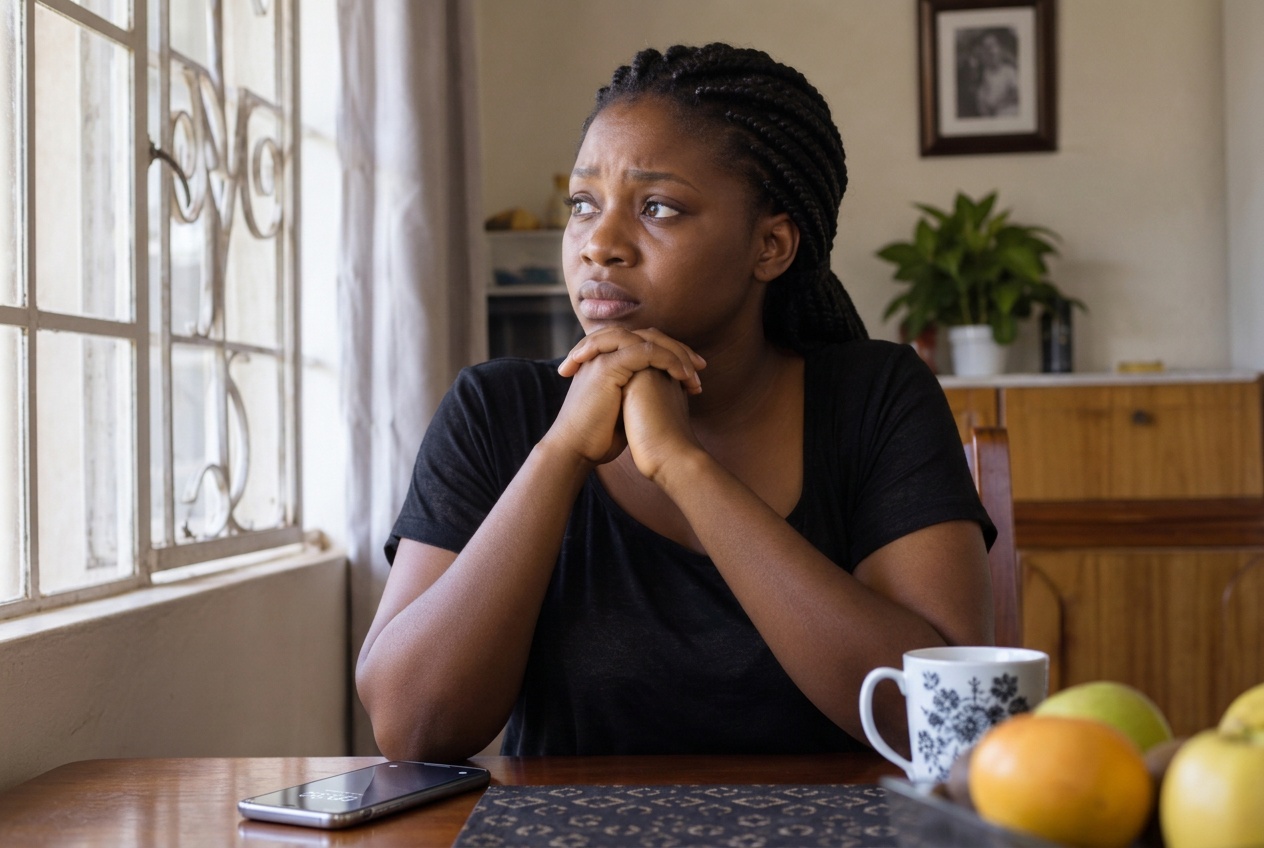
And after a while, it begins to feel like we are trapped in a cycle that feeds on our emotions but produces no real change. It is exhausting to care in a country where caring often feels like self-harm.

Because the more you pay attention, the more you see. And the more you see, the harder it becomes to breathe normally. It hurts deeply.

Sometimes I wish I did not love Nigeria as much as I do.

I wish I could detach completely. I wish I could look at everything happening and feel nothing beyond mild concern. I wish I could protect myself by choosing indifference. But I cannot.

This country is not an abstract concept to me. It is not just a location on a map or a topic for discussion. It is personal. It is woven into my identity, my memories, my language, my hopes.

And that is why it hurts the way it does.

Loving Nigeria feels like being committed to something that keeps disappointing you, something that keeps asking for your patience without giving you reasons to believe that patience will be rewarded. It feels like staying, even when leaving would be easier emotionally.

It is a complicated love. One that is filled with pride and frustration at the same time. One that makes you pray for a place you are also tired of defending.

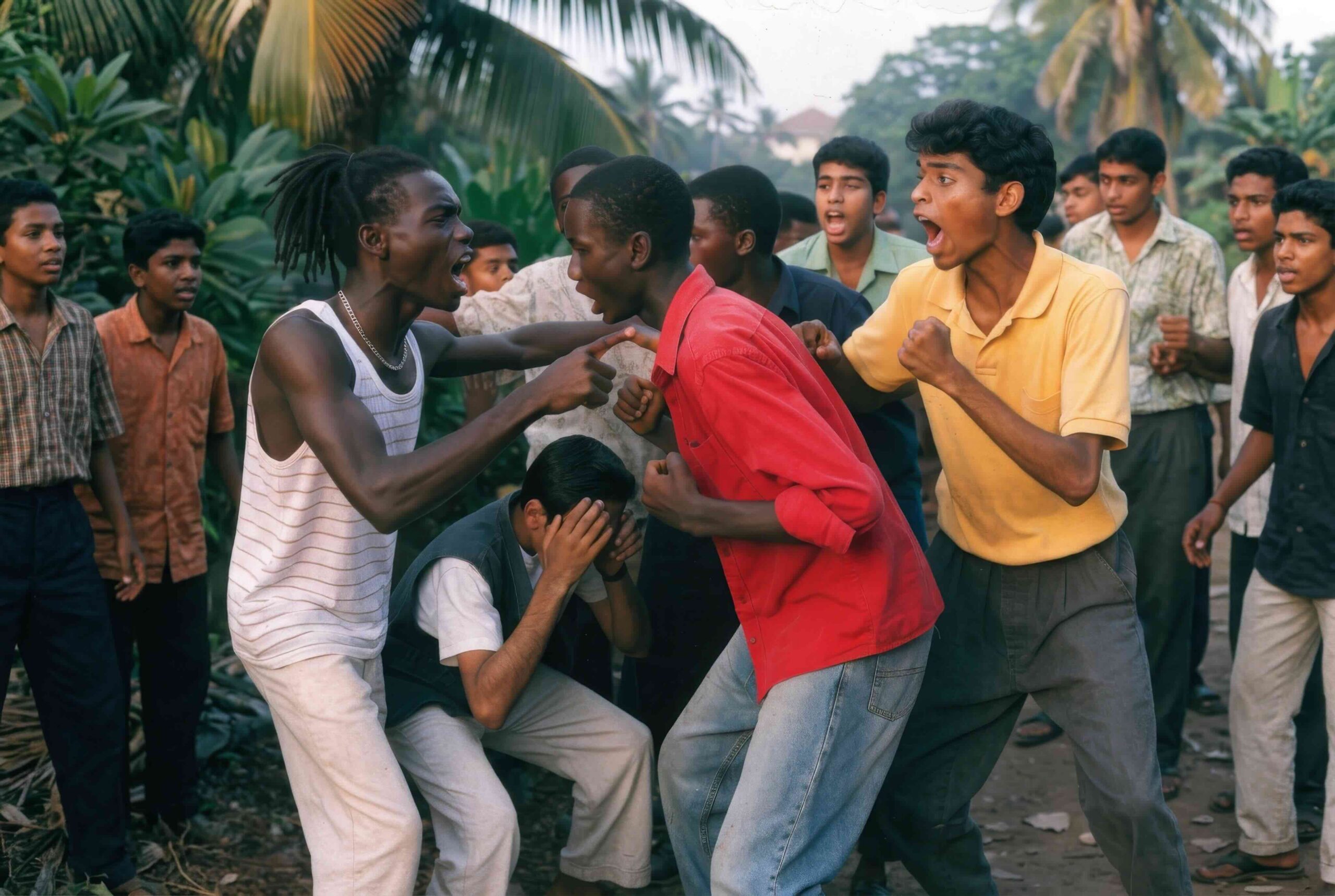
About a week ago, a video from the Ozoro Festival in Delta State circulated online. In that video, men chased women, grabbed them, touched them without consent, violated their bodies in the open. It was loud, chaotic, almost celebratory. And what made it worse was not just the act itself, but the justification that followed.

Culture, they said. Tradition, they insisted. But what I saw was not culture.

What I saw was violence made acceptable. What I saw was the normalisation of sexual harassment, the kind that is dismissed because it has been happening for years, the kind that women are expected to endure quietly.

It raises uncomfortable questions. At what point did we decide that culture is beyond criticism? At what point did we begin to protect harmful practices instead of the people affected by them? At what point did women’s bodies become part of a festival’s entitlement?

Because if a woman cannot exist safely in a public space, then that space is not cultural, it is dangerous.

And the silence that follows these incidents, the excuses, the laughter, the deflection, they all contribute to the same message. That some forms of violence are not serious enough to confront.

Then came Palm Sunday, March 29, 2026. Christians were murdered in Jos, Plateau State.

People gathered in a moment that should have been peaceful, sacred, protected. And instead, it became another entry in Nigeria’s long history of violence. Lives were lost. Families were broken. Children will grow up with gaps that cannot be filled. Dreams ended in a moment that should have symbolised hope and renewal.

And as I write this on March 31, 2026 at 8:28 p.m., there is a silence where there should be leadership. No urgency. No strong, immediate reassurance. No visible weight of responsibility. That silence is loud.

Because when people die and leadership does not respond with the gravity the situation demands, it begins to feel like loss has become ordinary. Like tragedy is no longer shocking enough to disrupt anything.

And that is terrifying. Because a country where death becomes normal is a country where life is no longer properly valued.

Nigeria is often described as struggling. The word is not inaccurate, but it is incomplete.

Nigeria is not just struggling. Nigeria is carrying.

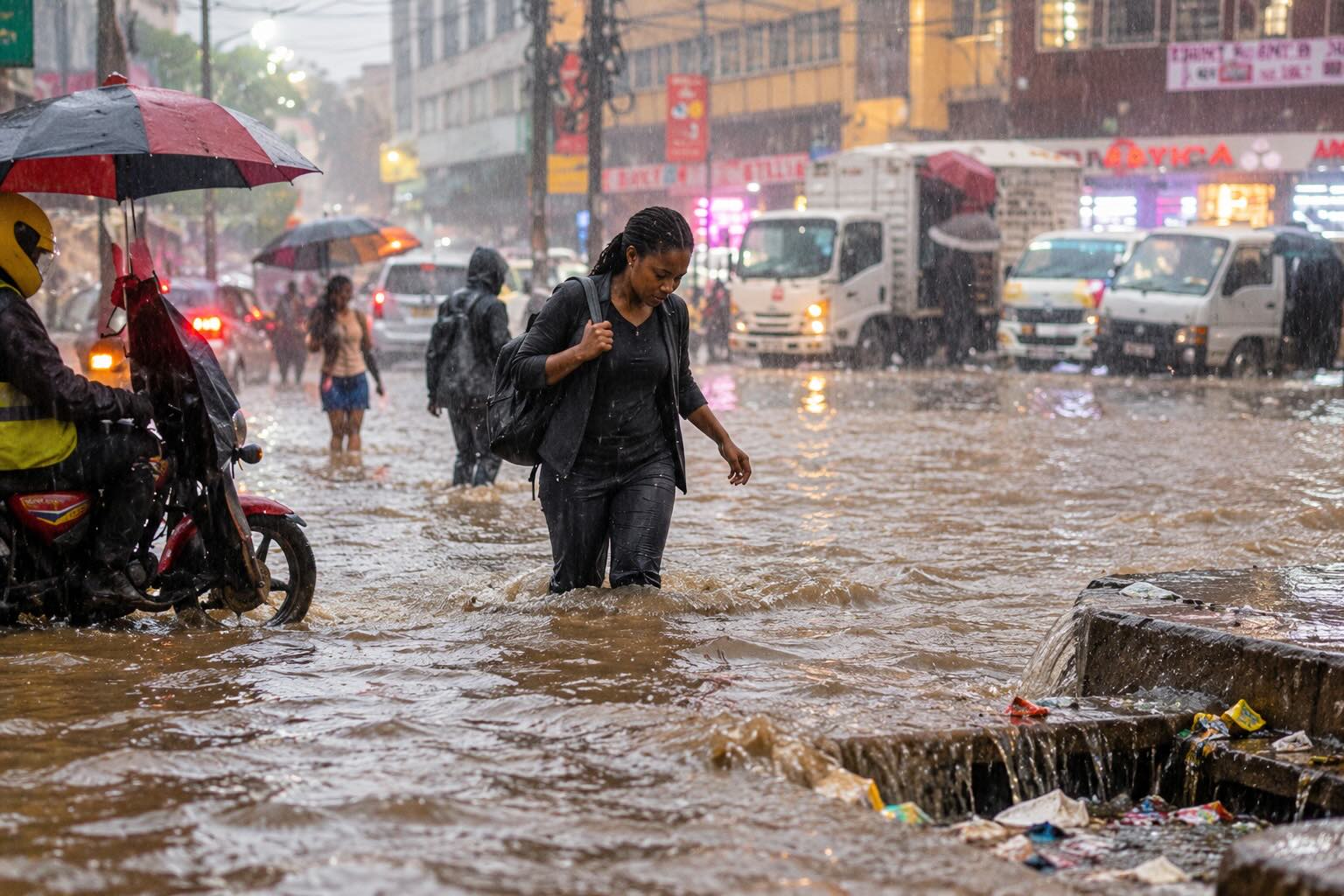
It carries insecurity that lingers just beneath the surface of ordinary routines. It carries economic strain that shapes decisions before they are even consciously made. It carries a population that has learned, with remarkable ingenuity, how to adapt to conditions that should not require adaptation.

Nigeria is hurting.

It is a place where people wake up every day and adjust to things that should never be normal. Where insecurity lingers in the background of everyday life. Where economic hardship presses constantly on people’s choices, their dreams, their ability to breathe without anxiety. It is a place where young people are told to be resilient, over and over again, as if resilience is an endless resource. As if endurance is a substitute for progress.

We are tired. I am tired.

Tired of explaining. Tired of hoping loudly and quietly at the same time. Tired of carrying both love and disappointment in equal measure.

And yet, we continue.

We go to work. We go to school. We build. We laugh when we can. We find ways to live inside something that often feels like it is failing us. And maybe that is part of the problem.

Because we have become so good at continuing that it almost hides how much is broken. We survive so well that it begins to look like things are working. We endure so consistently that it starts to feel like endurance is enough.

But it is not enough. Survival is not the same thing as progress. Endurance is not the same thing as leadership. Continuing is not the same thing as living well.

Because while people are carrying the country, it often feels like those in power are carrying something else entirely. Campaign strategies. Political alliances. Public perception. Re-election.

There is a constant forward motion, but it is not always directed at the crises that demand attention. It is directed at the next election cycle, the next positioning, the next negotiation of power.

And so you begin to notice the gap.

Between what people are living through and what leadership appears focused on. Between urgency on the ground and calculation at the top. Between a nation asking for stability and a political class preparing for continuity of power.

It is difficult to reconcile.

Because while citizens are counting losses, some leaders are counting numbers.
While people are asking how to thrive, power is asking how to remain.

And in that gap, something erodes faintly. Trust. Expectation. Belief.

So the question remains, heavier now, more specific, less patient.

Where are our leaders? Where is the presence that should meet moments like this with urgency? Where is the voice that should acknowledge the weight of these losses as they happen, not after they have settled into silence? Where is the responsibility that should not need to be demanded? Where is Nigeria’s president?

Because a country cannot continue to run on the strength of its people alone while those entrusted with guiding it remain distant. Because there is only so much carrying a people can do before something gives.

I disconnect, sometimes, because it is the only way I know how to pause the weight of all of this. But even in that disconnection, nothing really leaves.

The questions remain. The anger remains. The disappointment remains. And, perhaps most confusing of all, the hope remains too.

A stubborn, complicated hope that refuses to die, even when it has every reason to. And maybe that is where everything begins and ends.

Share

About the author

Similoluwa Ifedayo

Similoluwa Ifedayo is a dynamic writer, certified public speaker, and accomplished campus journalist. She has over five years’ experience crafting compelling articles on youth engagement, leadership, creative storytelling, and newsletters. Currently pursuing a Law degree at Lagos State University, she channels her passion for advocacy into academic pursuits. Similoluwa’s unwavering dedication to transformative movements is reflected in her commitment to making a difference. Eager for growth, she aims to share her knowledge, aiding fellow youth in realizing their potential. With academic prowess, extensive writing experience, and a passion for positive change, Similoluwa is set to become an influential figure in her field.

Related articles

Fairness & EquityGender EquityHealth, Safety & WellbeingHuman RightsPeace and JusticeWomen's Empowerment
Environment & Climate ChangeHuman RightsPeace BuildingPoverty and Food SecuritySocial DevelopmentSustainable DevelopmentSustainable Development GoalsYouth Empowerment
View all

Submit your content

Submit a video
Submit an article

Where are our leaders? We are tired, I am tired. We are angry, I am angry. We just want to live comfortably.

by Similoluwa Ifedayo

When overwhelmed, I disconnect from people, from places, from events, from social media, from the news, and the most relevant one to this article, my country, Nigeria.

It is not just withdrawal, I shut down. I refuse to keep looking for too long.

One of the hardest things I have come to accept about myself is this: I feel things deeply, almost overwhelmingly, and yet I also know how to shut it all off. There is no balance. There is no careful moderation. I am either fully immersed in the weight of things or I am gone, distant, unreachable even to myself.

And every time I choose to engage, every time I speak about social issues like gender inequality, men’s hostility towards feminism, poverty, corruption, sexual violence, governance, and the many fractures in this country, I break a little. I crash out.

Not because I do not understand these issues, but because I understand them too well.

Because it is one thing to discuss injustice in theory, and another thing entirely to live in a place where injustice is routine. It is one thing to analyse problems, and another to realise that the problems are not moving, not shifting, not easing in any meaningful way.

It is the repetition that hurts. The same conversations. The same outrage. The same patterns. The same silence from the people who are supposed to act.

And after a while, it begins to feel like we are trapped in a cycle that feeds on our emotions but produces no real change. It is exhausting to care in a country where caring often feels like self-harm.

Because the more you pay attention, the more you see. And the more you see, the harder it becomes to breathe normally. It hurts deeply.

Sometimes I wish I did not love Nigeria as much as I do.

I wish I could detach completely. I wish I could look at everything happening and feel nothing beyond mild concern. I wish I could protect myself by choosing indifference. But I cannot.

This country is not an abstract concept to me. It is not just a location on a map or a topic for discussion. It is personal. It is woven into my identity, my memories, my language, my hopes.

And that is why it hurts the way it does.

Loving Nigeria feels like being committed to something that keeps disappointing you, something that keeps asking for your patience without giving you reasons to believe that patience will be rewarded. It feels like staying, even when leaving would be easier emotionally.

It is a complicated love. One that is filled with pride and frustration at the same time. One that makes you pray for a place you are also tired of defending.

About a week ago, a video from the Ozoro Festival in Delta State circulated online. In that video, men chased women, grabbed them, touched them without consent, violated their bodies in the open. It was loud, chaotic, almost celebratory. And what made it worse was not just the act itself, but the justification that followed.

Culture, they said. Tradition, they insisted. But what I saw was not culture.

What I saw was violence made acceptable. What I saw was the normalisation of sexual harassment, the kind that is dismissed because it has been happening for years, the kind that women are expected to endure quietly.

It raises uncomfortable questions. At what point did we decide that culture is beyond criticism? At what point did we begin to protect harmful practices instead of the people affected by them? At what point did women’s bodies become part of a festival’s entitlement?

Because if a woman cannot exist safely in a public space, then that space is not cultural, it is dangerous.

And the silence that follows these incidents, the excuses, the laughter, the deflection, they all contribute to the same message. That some forms of violence are not serious enough to confront.

Then came Palm Sunday, March 29, 2026. Christians were murdered in Jos, Plateau State.

People gathered in a moment that should have been peaceful, sacred, protected. And instead, it became another entry in Nigeria’s long history of violence. Lives were lost. Families were broken. Children will grow up with gaps that cannot be filled. Dreams ended in a moment that should have symbolised hope and renewal.

And as I write this on March 31, 2026 at 8:28 p.m., there is a silence where there should be leadership. No urgency. No strong, immediate reassurance. No visible weight of responsibility. That silence is loud.

Because when people die and leadership does not respond with the gravity the situation demands, it begins to feel like loss has become ordinary. Like tragedy is no longer shocking enough to disrupt anything.

And that is terrifying. Because a country where death becomes normal is a country where life is no longer properly valued.

Nigeria is often described as struggling. The word is not inaccurate, but it is incomplete.

Nigeria is not just struggling. Nigeria is carrying.

It carries insecurity that lingers just beneath the surface of ordinary routines. It carries economic strain that shapes decisions before they are even consciously made. It carries a population that has learned, with remarkable ingenuity, how to adapt to conditions that should not require adaptation.

Nigeria is hurting.

It is a place where people wake up every day and adjust to things that should never be normal. Where insecurity lingers in the background of everyday life. Where economic hardship presses constantly on people’s choices, their dreams, their ability to breathe without anxiety. It is a place where young people are told to be resilient, over and over again, as if resilience is an endless resource. As if endurance is a substitute for progress.

We are tired. I am tired.

Tired of explaining. Tired of hoping loudly and quietly at the same time. Tired of carrying both love and disappointment in equal measure.

And yet, we continue.

We go to work. We go to school. We build. We laugh when we can. We find ways to live inside something that often feels like it is failing us. And maybe that is part of the problem.

Because we have become so good at continuing that it almost hides how much is broken. We survive so well that it begins to look like things are working. We endure so consistently that it starts to feel like endurance is enough.

But it is not enough. Survival is not the same thing as progress. Endurance is not the same thing as leadership. Continuing is not the same thing as living well.

Because while people are carrying the country, it often feels like those in power are carrying something else entirely. Campaign strategies. Political alliances. Public perception. Re-election.

There is a constant forward motion, but it is not always directed at the crises that demand attention. It is directed at the next election cycle, the next positioning, the next negotiation of power.

And so you begin to notice the gap.

Between what people are living through and what leadership appears focused on. Between urgency on the ground and calculation at the top. Between a nation asking for stability and a political class preparing for continuity of power.

It is difficult to reconcile.

Because while citizens are counting losses, some leaders are counting numbers.
While people are asking how to thrive, power is asking how to remain.

And in that gap, something erodes faintly. Trust. Expectation. Belief.

So the question remains, heavier now, more specific, less patient.

Where are our leaders? Where is the presence that should meet moments like this with urgency? Where is the voice that should acknowledge the weight of these losses as they happen, not after they have settled into silence? Where is the responsibility that should not need to be demanded? Where is Nigeria’s president?

Because a country cannot continue to run on the strength of its people alone while those entrusted with guiding it remain distant. Because there is only so much carrying a people can do before something gives.

I disconnect, sometimes, because it is the only way I know how to pause the weight of all of this. But even in that disconnection, nothing really leaves.

The questions remain. The anger remains. The disappointment remains. And, perhaps most confusing of all, the hope remains too.

A stubborn, complicated hope that refuses to die, even when it has every reason to. And maybe that is where everything begins and ends.