What Are We Teaching Our Children? A Call to Address Youth Behaviour in Guyana
October 6by Imran Bacchus
Across schools and communities in Guyana, troubling behaviour among children and young people appears to be having far-reaching effects.
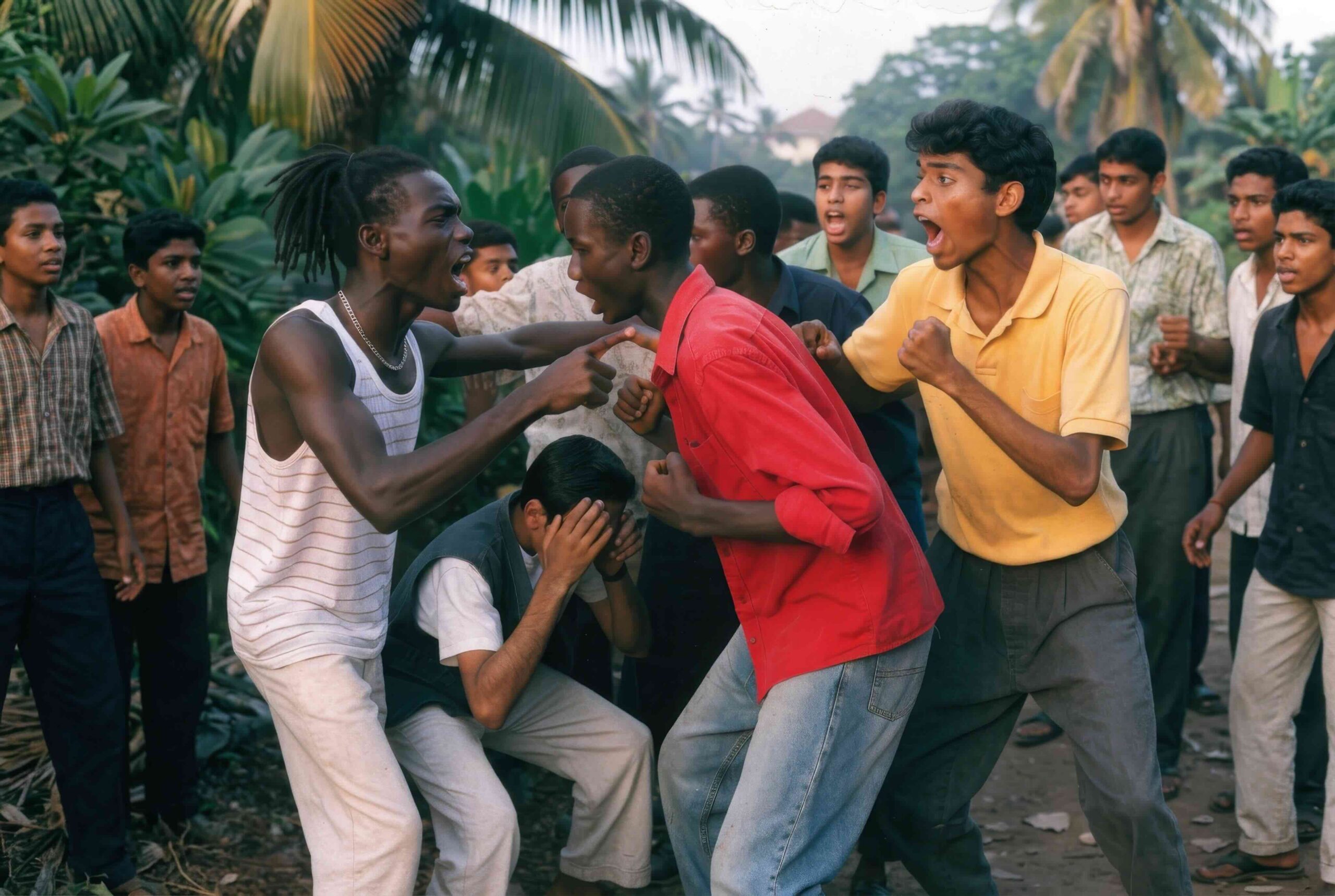
Some seem to have lost their sense of self-control and respect for their elders. Videos circulating online show young people fighting with parents, teachers and one another in ways that are appalling.
The recent rise in such behaviour among our children should not be taken lightly. When we consider what may be shaping their attitudes and behaviour, the music they are exposed to stands out as one possible influence.
Music today is different from what it was years ago. Much of the music Caribbean youth listen to contains explicit, lewd and highly sexual language. Young people repeat these lyrics as they walk, travel or spend time with friends, and the messages may eventually influence their behaviour.
Unfortunately such music is condoned and complimented for its variety and uniqueness, and seems to have become the norm in our society today.
However, music has proven to rewire one’s brain and lifestyle. No wonder we have disoriented children whose actions cannot be controlled, who lack discipline and kindness. We see the effect in broken relationships, the handling of conflict, reactions when someone disagrees, responsiveness to situations and performance in academics/school. Consequently, vulnerable young people in difficult social environments are mostly at risk to be impacted by the effects of distorted music.
Fights and brawls in schools have become all too common. While we cannot make every choice for our children, the government should review its policies on the music and other content they are exposed to through the airwaves. Social norms may have changed, but basic values still matter. Measures should be put in place to limit children’s exposure to harmful content.
Today, even very young children innocently sing and dance to songs with explicit adult content, and many people see nothing wrong with it. How did we get here? We question children’s behaviour and blame the school system, yet we, as citizens, parents and policymakers, have allowed such content into their lives without restriction. If we want young people to lead healthy, successful lives, we must reconsider what we expose them to. We cannot shield every child from everything, but we can take steps to protect their developing minds and help them stay focused.
The unruly behaviour we are seeing is becoming a serious national concern. The sooner we act, the better. The ministries responsible for education, culture, youth and sport, together with civil society organisations, should work with young people to address the problem before it worsens. National consultations and awareness programmes involving students could also help bring about change. Parents and others across society must take greater responsibility for the guidance and wellbeing of children. Together, we can create an environment in which young people can grow into responsible adults.