Educationjournalism
Home Our latest stories EducationJournalism My Real Journalism Classroom

My Real Journalism Classroom

April 5th, 2026

by Joyce Wachau Chege

My mass communication degree took four years to complete. These were years of being in class every week learning, making new friends and enduring long lecturer strikes that only prolonged our time there on campus. Years of learning different units — some of which I dreaded; maths for social science and economics, for example! I still have all my notes from year one all the way to the very last year, to this very day.
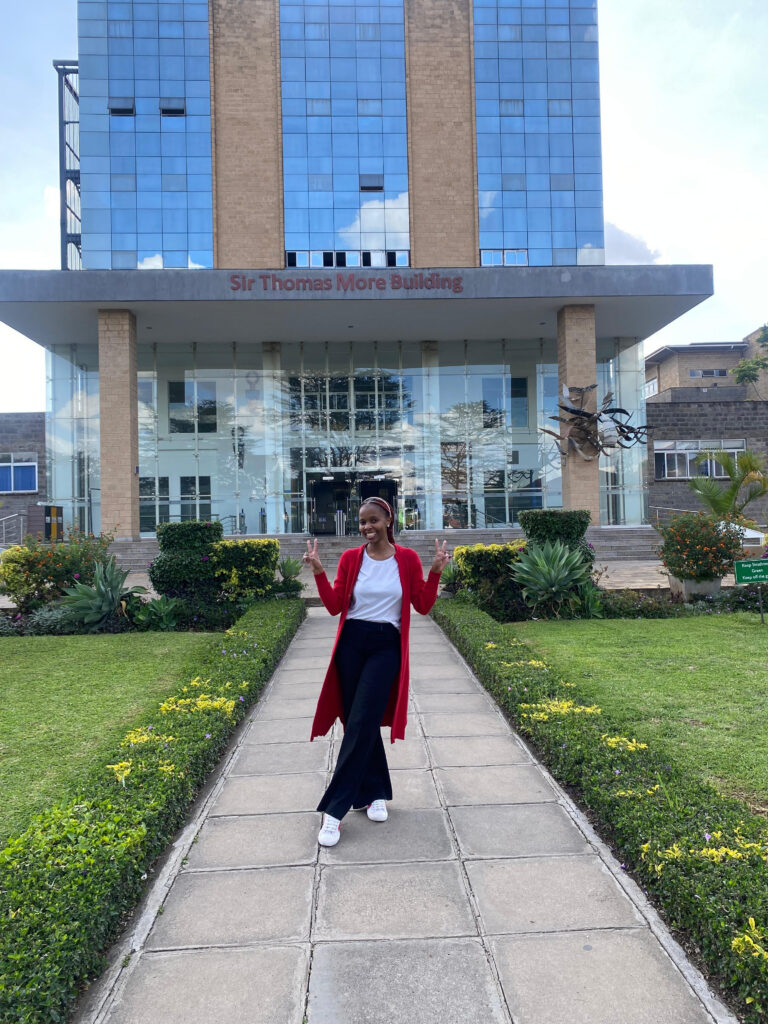
With that brief introduction, I welcome you to today’s sermon brethren.

So, when my good friend Victor reached out to ask if I have notes on media convergence, I took a long minute to think because I could not remember anything like that, but I still made sure to scour through my pile of notes, in case I was wrong. ‘’We weren’t taught that much honestly, were we?’’ he asked jokingly and unfortunately, I had to concur. Stay with me as I tell you why.

As a graduate, once you get your degree, you walk into the world head held high, proud of yourself and ready to put what you have learnt to work. This is when the reality hits you hard! You realize that most of what you know is theory, but jobs out here need practical experience!
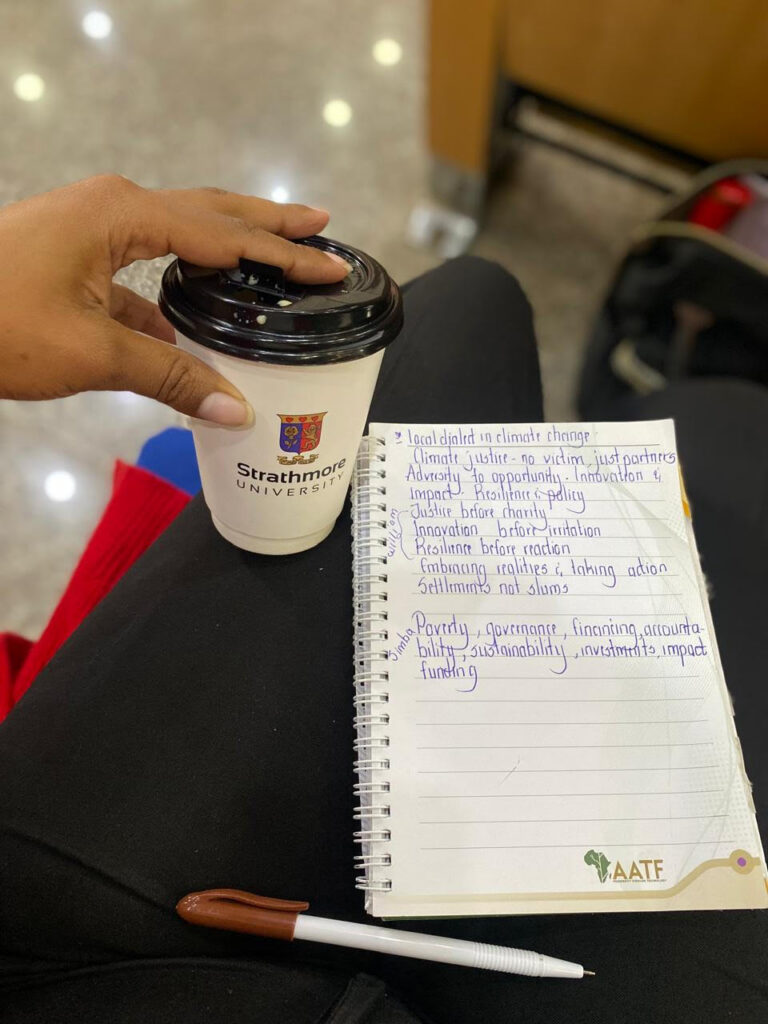
Through endless lectures, notes, group work and exams, campus taught me the many communication theories that exist, media law had me citing acts off the top of my head, feeling like a lawyer, ethics classes taught me how I am expected to conduct myself and so on. But unfortunately, no one taught me how to keep myself safe when I am out in the field chasing stories. No one mentioned the level of patience you need when dealing with uncooperative sources that you have to track down and keep following up with. No one teaches you that some sources will want to take control of the narrative by telling you to send them your final drafts so that they can countercheck, which highly undermines the integrity of the write up.

The chaos of the field forces you to shape up as it baptises you by fire. There are times I would notice a mistake in an article that had already been published in a newspaper and I would get so scared, but immediately contact the editor and have them correct the online version.
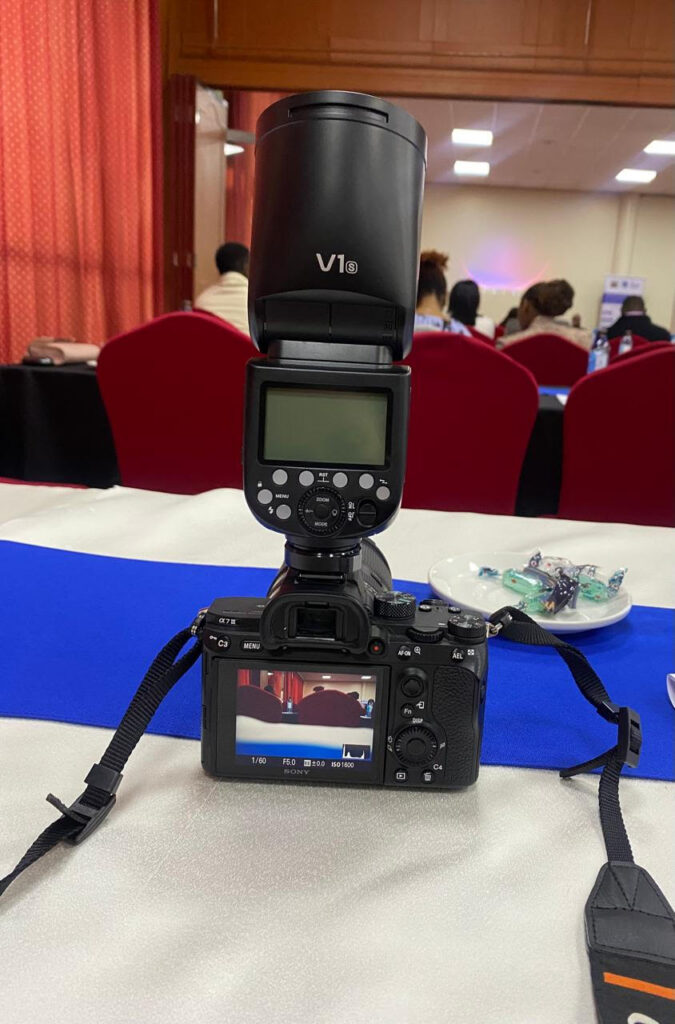
I have had to learn how to operate different types of cameras, by sitting through YouTube videos; I know what apps to have on my phone for easier transfer. I’ve learned what apps will enable me separate my personal social media and those for work; how to be quick and multitask, how to listen keenly during meetings and events to be able to do polished write ups, take photos, transfer and then post across all social media platforms all before the event is done, for timeliness of information to the public.

No classroom taught me how to navigate my emotions when covering stories. There are scars and emotional burdens you pick up along the way as you tell stories and your mental health is never the same. No lecturer or any notes ever explained that this would happen and how you should handle it. You are not taught the protocols that are followed and observed in the rooms where you will work and you only learn by asking questions, paying attention and acting it out. Theory meeting reality on the ground.
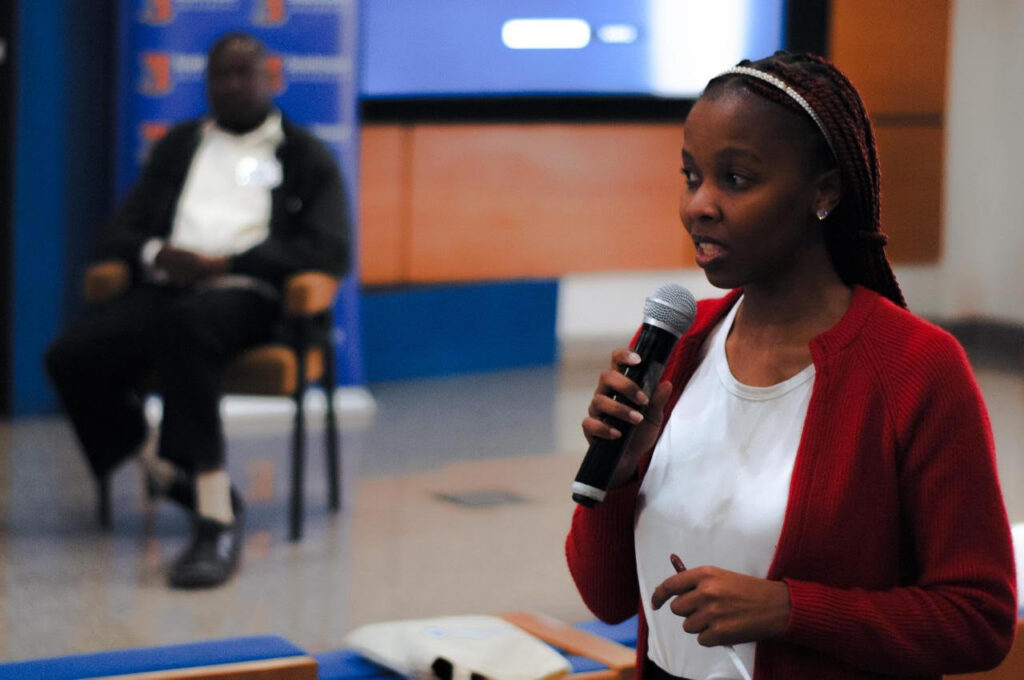
I highly believe and propose that the curriculum be revised and updated, so that students can learn early on how to meet the demands of the industry. The journalism landscape is evolving by the day and if learning institutions do not aim to intentionally bridge the gap, then they are only setting up graduates for tough times ahead. Education does not end at graduation; it is where the real work begins.

I encourage those in the journalism world to keep learning. Take that short course, attend that workshop or mentorship session so that you are exposed to what the real world is doing and looking like, as it is. These are some things that have really helped me along the way. You will make mistakes, and that is okay. Learn from that, give yourself a pat on the back and move on. You will have to let go of what you think you know and re-learn. Make sure you strategically position yourself with what is new. You will be confused and at times you will have to rely on your instincts and trust yourself, because if you do not, who will?

Somewhere in between the lecture halls and being out in the field, I have had to learn, unlearn and relearn again, to reinvent myself. Every day brings with it new challenges; chaos that you will have to walk through to get to the other side and the world teaching you the art of learning through doing, every single time.

Share

About the author

Joyce Wachau Chege

Joyce Wachau Chege is a journalist from Kenya who enjoys reading books and writing stories. She enjoys travelling and one of her biggest ambitions is to be able to cover stories beyond her country and share them with the world.

Submit your content

Submit a video
Submit an article

by Joyce Wachau Chege

My mass communication degree took four years to complete. These were years of being in class every week learning, making new friends and enduring long lecturer strikes that only prolonged our time there on campus. Years of learning different units — some of which I dreaded; maths for social science and economics, for example! I still have all my notes from year one all the way to the very last year, to this very day.

With that brief introduction, I welcome you to today’s sermon brethren.

So, when my good friend Victor reached out to ask if I have notes on media convergence, I took a long minute to think because I could not remember anything like that, but I still made sure to scour through my pile of notes, in case I was wrong. ‘’We weren’t taught that much honestly, were we?’’ he asked jokingly and unfortunately, I had to concur. Stay with me as I tell you why.

As a graduate, once you get your degree, you walk into the world head held high, proud of yourself and ready to put what you have learnt to work. This is when the reality hits you hard! You realize that most of what you know is theory, but jobs out here need practical experience!

Through endless lectures, notes, group work and exams, campus taught me the many communication theories that exist, media law had me citing acts off the top of my head, feeling like a lawyer, ethics classes taught me how I am expected to conduct myself and so on. But unfortunately, no one taught me how to keep myself safe when I am out in the field chasing stories. No one mentioned the level of patience you need when dealing with uncooperative sources that you have to track down and keep following up with. No one teaches you that some sources will want to take control of the narrative by telling you to send them your final drafts so that they can countercheck, which highly undermines the integrity of the write up.

The chaos of the field forces you to shape up as it baptises you by fire. There are times I would notice a mistake in an article that had already been published in a newspaper and I would get so scared, but immediately contact the editor and have them correct the online version.

I have had to learn how to operate different types of cameras, by sitting through YouTube videos; I know what apps to have on my phone for easier transfer. I’ve learned what apps will enable me separate my personal social media and those for work; how to be quick and multitask, how to listen keenly during meetings and events to be able to do polished write ups, take photos, transfer and then post across all social media platforms all before the event is done, for timeliness of information to the public.

No classroom taught me how to navigate my emotions when covering stories. There are scars and emotional burdens you pick up along the way as you tell stories and your mental health is never the same. No lecturer or any notes ever explained that this would happen and how you should handle it. You are not taught the protocols that are followed and observed in the rooms where you will work and you only learn by asking questions, paying attention and acting it out. Theory meeting reality on the ground.

I highly believe and propose that the curriculum be revised and updated, so that students can learn early on how to meet the demands of the industry. The journalism landscape is evolving by the day and if learning institutions do not aim to intentionally bridge the gap, then they are only setting up graduates for tough times ahead. Education does not end at graduation; it is where the real work begins.

I encourage those in the journalism world to keep learning. Take that short course, attend that workshop or mentorship session so that you are exposed to what the real world is doing and looking like, as it is. These are some things that have really helped me along the way. You will make mistakes, and that is okay. Learn from that, give yourself a pat on the back and move on. You will have to let go of what you think you know and re-learn. Make sure you strategically position yourself with what is new. You will be confused and at times you will have to rely on your instincts and trust yourself, because if you do not, who will?

Somewhere in between the lecture halls and being out in the field, I have had to learn, unlearn and relearn again, to reinvent myself. Every day brings with it new challenges; chaos that you will have to walk through to get to the other side and the world teaching you the art of learning through doing, every single time.