Fairness & EquityGender EquityHealth, Safety & WellbeingHuman RightsPeace and JusticeWomen's Empowerment
Home Our latest stories Conflict and ViolenceGender EquitySocial Development What did we actually do with Women’s Month 2026?

What did we actually do with Women’s Month 2026?

April 23rd, 2026

by Ruhamah Ifere

Every March, the world pauses to celebrate women. Social media fills with affirmations, organizations host events, and global leaders reiterate commitments to gender equality. But beyond the noise and symbolism, a critical question lingers:

What did we actually do with Women’s Month 2026?

This year’s International Women’s Day 2026 was themed “Rights. Justice. Action. For All Women and Girls.” It was a call to dismantle discriminatory systems, strengthen legal protections, and confront the harmful norms that continue to define women’s lived realities across the globe.

 A Global Call, A Global Reality

The urgency of the theme is grounded in stark reality: women worldwide hold only 64% of the legal rights that men enjoy, and at the current pace, closing this gap could take nearly three centuries.
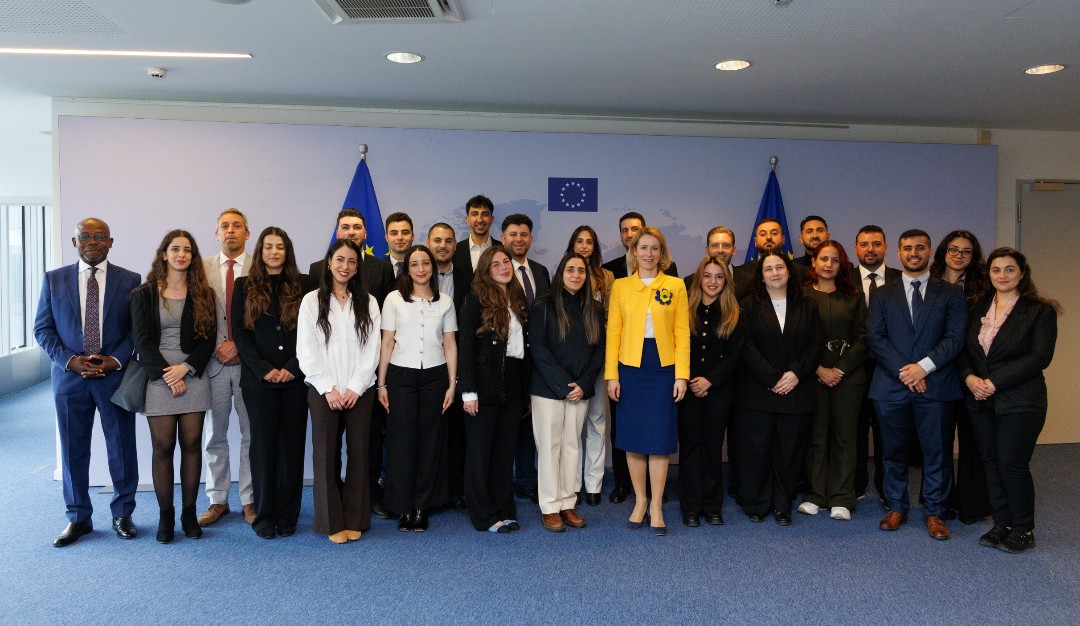
This urgency shaped the conversations at CSW70, held at the United Nations Headquarters in New York from March 9–19, 2026. As the largest global gathering on gender equality, the session focused on strengthening access to justice for women and girls.

Notably, Member states adopted agreed conclusions on the very first day calling for:

  • Reform of discriminatory laws
  • Expansion of legal aid
  • An end to child marriage
  • Protection of reproductive rights

But the meeting was not without tension. Political resistance emerged, with attempts to redefine gender in restrictive terms ultimately blocked by a coalition of countries. The message from the global stage was unmistakable: progress is possible, but it is contested.

As one leader noted, the outcome left behind not just resolutions, but responsibility.

Nigeria: When Celebration and Violence Collide

While global leaders debated policy, a disturbing reality unfolded in Ozoro.

On March 19, during a cultural festival, women and girl including university student were reportedly attacked, stripped, and sexually assaulted in public. Evidence suggested that these acts were not random but systematic, carried out under the cover of cultural ambiguity.

The response was swift:

Over 500 organizations condemned the incident as organized abuse

The Nigerian Bar Association labeled it a national disgrace

 National leaders publicly denounced the violence

Yet, beyond the outrage came something more heart wrenching: victim-blaming.

Phrases like “they were warned” and “it’s tradition” began to circulate, revealing a deeper societal problem. Evidently, this was impunity, masked as tradition.

The contradiction is difficult to ignore. In the same month the world celebrated women, women in Nigeria were publicly violated. This is a pattern that has push backed against Gender Equality.

Beyond Silos: The Missing Link in Advocacy

If Women’s Month exposed anything, it is that efforts toward gender equality remain fragmented.

The trend is that Activists work in isolation and we still see Organizations duplicate efforts in the same communities.

The unified response of hundreds of organizations demonstrated what is possible in moments of crises.

True progress demands a shift:

  1.  From working alone to building alliances
  2.  From protecting platforms to sharing them
  3.  From intention to coordinated action
From Reflection to Action
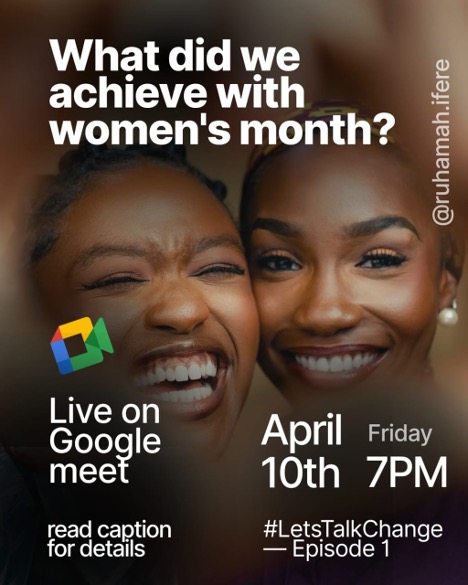
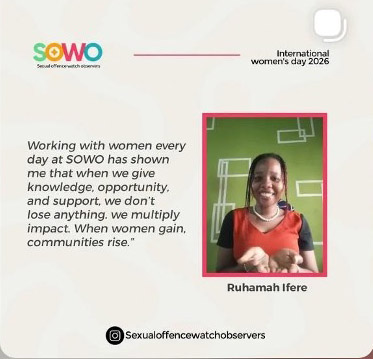
Women’s Month should not end in March. It should provoke ongoing reflection as I emphasised in my recent webinar.

More importantly, what does “access to justice” look like not globally, but locally? In our streets, in festivals, our communities, our families?

Women’s Month 2026 has passed, but its questions remain unanswered.

The task now is not just to celebrate, but to act and confront injustice where it exists because the real measure of Women’s Month is not in how loudly it was celebrated but in how deeply it transforms the months that follow.

Share

About the author

Ruhamah Ifere

Ruhamah Ifere is a Community peacebuilder, Youth and Sustainable Development Goals Advocate, Gender Equality Activist based in Nigeria with a commitment to transforming the minds of young people to becoming Nation builders. She is the Founder of The Youth Evolve whose core beliefs is that young people can transform the planet as actors in the achievement of sustainable peace and Development.  She also volunteers with several youths and community led organisations in various roles.

Related articles

Environment & Climate ChangeHuman RightsPeace BuildingPoverty and Food SecuritySocial DevelopmentSustainable DevelopmentSustainable Development GoalsYouth Empowerment
View all

Submit your content

Submit a video
Submit an article

by Ruhamah Ifere

Every March, the world pauses to celebrate women. Social media fills with affirmations, organizations host events, and global leaders reiterate commitments to gender equality. But beyond the noise and symbolism, a critical question lingers:

What did we actually do with Women’s Month 2026?

This year’s International Women’s Day 2026 was themed “Rights. Justice. Action. For All Women and Girls.” It was a call to dismantle discriminatory systems, strengthen legal protections, and confront the harmful norms that continue to define women’s lived realities across the globe.

 A Global Call, A Global Reality

The urgency of the theme is grounded in stark reality: women worldwide hold only 64% of the legal rights that men enjoy, and at the current pace, closing this gap could take nearly three centuries.

This urgency shaped the conversations at CSW70, held at the United Nations Headquarters in New York from March 9–19, 2026. As the largest global gathering on gender equality, the session focused on strengthening access to justice for women and girls.

Notably, Member states adopted agreed conclusions on the very first day calling for:

  • Reform of discriminatory laws
  • Expansion of legal aid
  • An end to child marriage
  • Protection of reproductive rights

But the meeting was not without tension. Political resistance emerged, with attempts to redefine gender in restrictive terms ultimately blocked by a coalition of countries. The message from the global stage was unmistakable: progress is possible, but it is contested.

As one leader noted, the outcome left behind not just resolutions, but responsibility.

Nigeria: When Celebration and Violence Collide

While global leaders debated policy, a disturbing reality unfolded in Ozoro.

On March 19, during a cultural festival, women and girl including university student were reportedly attacked, stripped, and sexually assaulted in public. Evidence suggested that these acts were not random but systematic, carried out under the cover of cultural ambiguity.

The response was swift:

Over 500 organizations condemned the incident as organized abuse

The Nigerian Bar Association labeled it a national disgrace

 National leaders publicly denounced the violence

Yet, beyond the outrage came something more heart wrenching: victim-blaming.

Phrases like “they were warned” and “it’s tradition” began to circulate, revealing a deeper societal problem. Evidently, this was impunity, masked as tradition.

The contradiction is difficult to ignore. In the same month the world celebrated women, women in Nigeria were publicly violated. This is a pattern that has push backed against Gender Equality.

Beyond Silos: The Missing Link in Advocacy

If Women’s Month exposed anything, it is that efforts toward gender equality remain fragmented.

The trend is that Activists work in isolation and we still see Organizations duplicate efforts in the same communities.

The unified response of hundreds of organizations demonstrated what is possible in moments of crises.

True progress demands a shift:

  1.  From working alone to building alliances
  2.  From protecting platforms to sharing them
  3.  From intention to coordinated action
From Reflection to Action

Women’s Month should not end in March. It should provoke ongoing reflection as I emphasised in my recent webinar.

More importantly, what does “access to justice” look like not globally, but locally? In our streets, in festivals, our communities, our families?

Women’s Month 2026 has passed, but its questions remain unanswered.

The task now is not just to celebrate, but to act and confront injustice where it exists because the real measure of Women’s Month is not in how loudly it was celebrated but in how deeply it transforms the months that follow.