From Autism Advocate to Bromley’s Youngest Mayor: The Rise of Jonathan Andrews
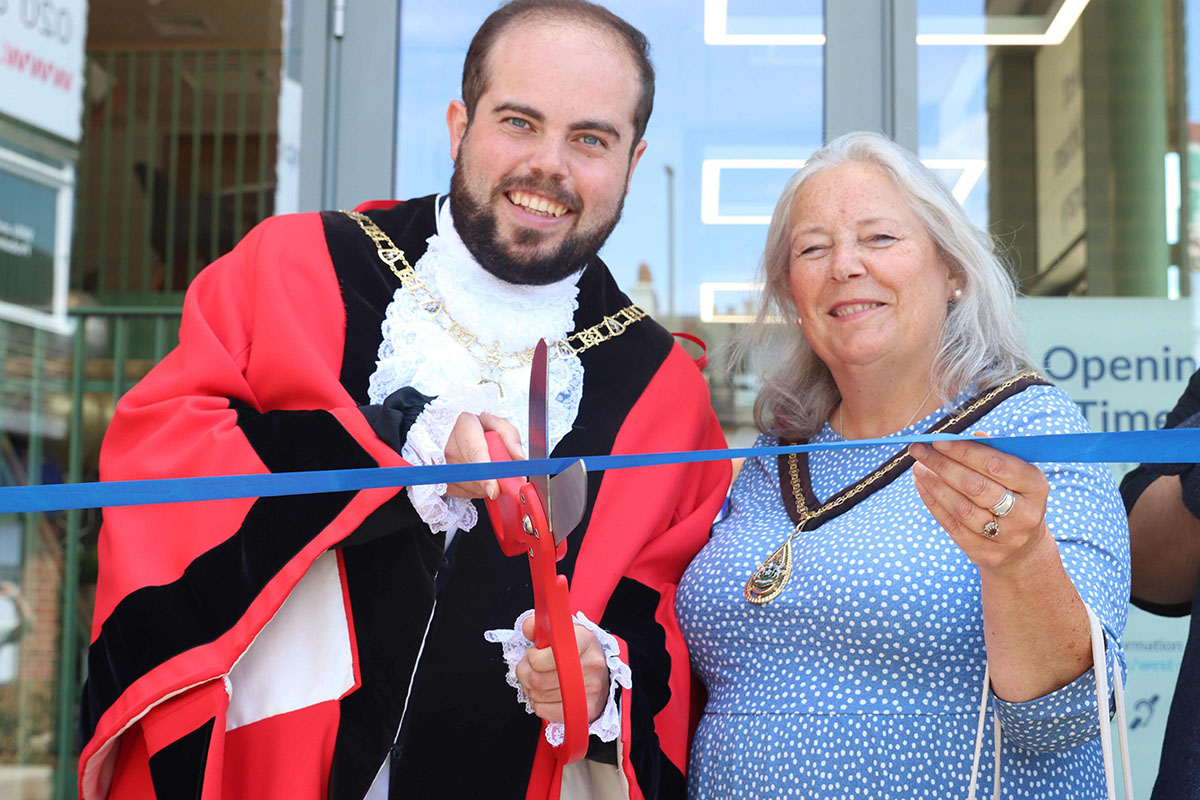
May 19At 31, Jonathan Andrews has already accumulated a résumé that would seem ambitious for someone twice his age: entertainment lawyer at a leading City firm, disability rights advocate across the Commonwealth, Britain-wide neurodiversity campaigner, councillor, Deputy Mayor and now the youngest-ever Mayor of Bromley.
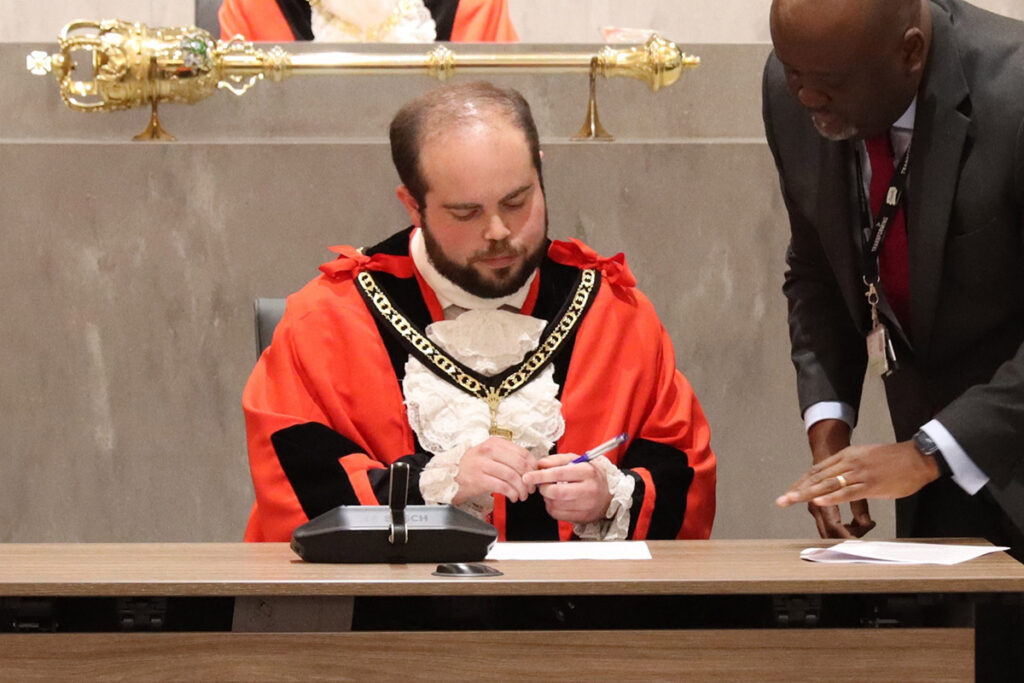
Yet Andrews’ rise has not been defined by spectacle or political theatrics. Instead, it has been marked by a steady insistence that autism should never be viewed as a limitation — either by society or by those who live with it.
Diagnosed at the age of nine as being on the autistic spectrum, Andrews says he was fortunate never to have been raised to see his diagnosis as something shameful.
“I was never raised to believe that this was something I should be ashamed of, or that made me less than anyone else,” he reflected recently, describing a philosophy that would shape both his professional and public life.
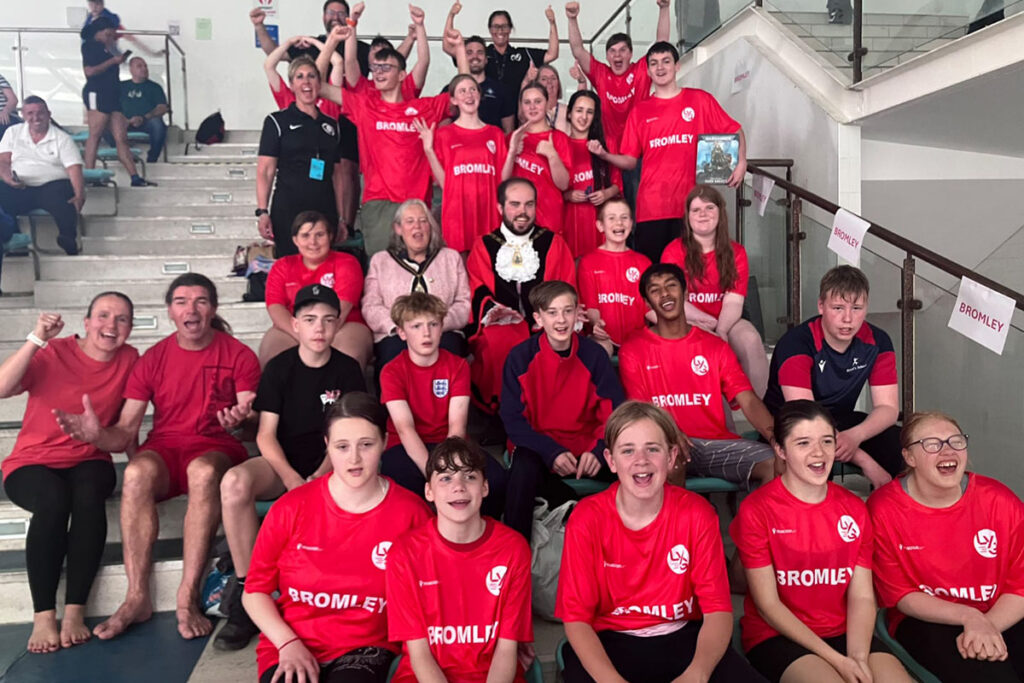
That outlook helped propel him into a legal career at the international law firm Reed Smith, where he specialised in entertainment law while becoming increasingly recognised for his advocacy on disability inclusion and employment opportunities for neurodivergent people.
But it was within the Commonwealth that Andrews first emerged as an international public figure.
In 2019, he was elected the inaugural Youth Co-Chair of the Commonwealth Children and Youth Disability Network, known as CCYDN, becoming one of the leading young voices on disability rights within the 56-member association of nations. During his tenure, the network achieved official accreditation as the first Commonwealth youth network focused specifically on disability inclusion.
The timing proved consequential. Months later, the COVID-19 pandemic would expose profound vulnerabilities for disabled children and young people around the world.
Under Andrews’ co-leadership, CCYDN developed a COVID-19 Hospital Communication Passport, designed to help children and young people communicate their medical and support needs to healthcare professionals during the chaos of lockdowns and emergency hospitalisations.
The work brought Andrews into rooms usually reserved for seasoned diplomats and senior officials. Among the moments he recalls most vividly was attending the 2020 Commonwealth Day reception and meeting the then-Prince of Wales and Duchess of Cornwall — now King Charles III and Queen Camilla.
By then, however, Andrews’ ambitions were becoming increasingly local.
In 2022, shortly after completing his term at CCYDN, he stood for election to Bromley Council in southeast London. Campaigning, he said, drew heavily on the listening and advocacy skills he had developed through disability activism.
The result was emphatic. He became the youngest councillor elected in Bromley that year, winning with one of the largest majorities on the council. Within weeks, he was appointed Chair of Bromley’s All-Age Autism Board. A year later, he was chairing a planning committee, overseeing decisions on major development applications — a role for which his legal background proved especially valuable.
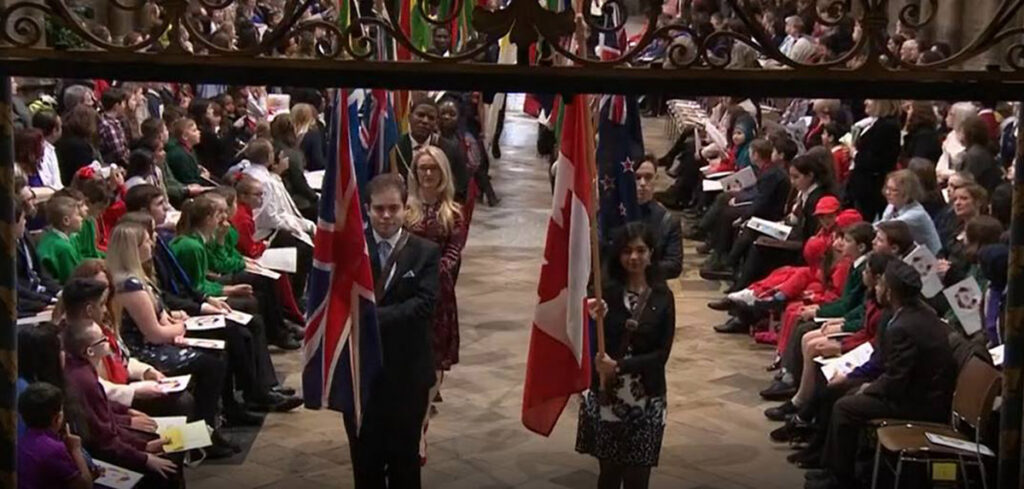
His public ascent coincided with a period of extraordinary national transition in Britain.
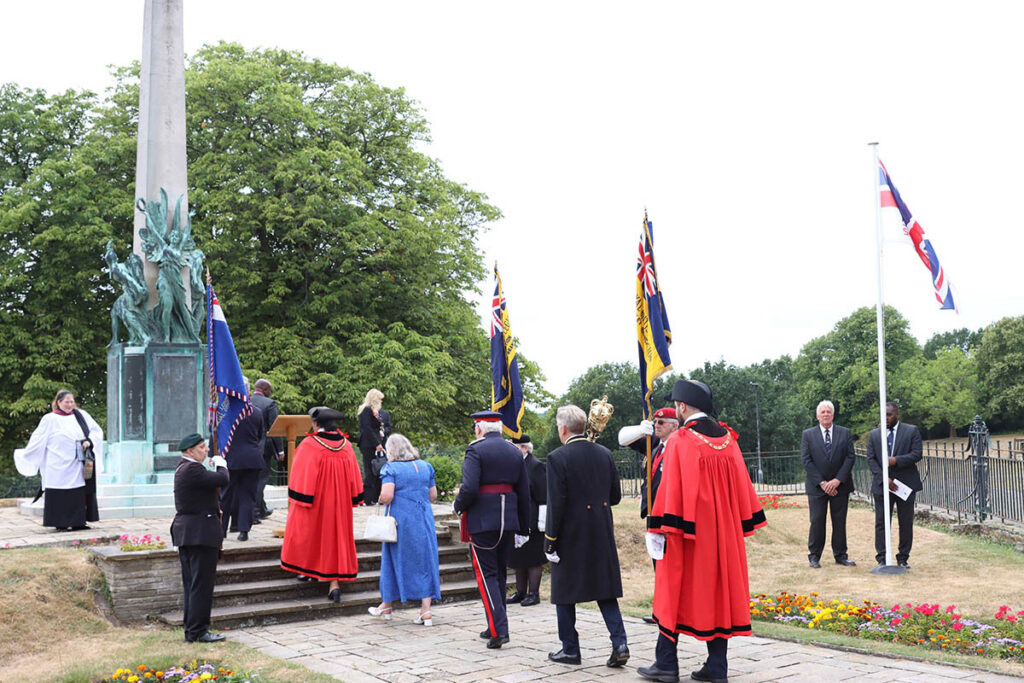
As a councillor, Andrews participated in civic events marking the Platinum Jubilee of Queen Elizabeth II in 2022, then later attended ceremonies following her death and the accession of King Charles III. He would go on to represent Bromley during coronation celebrations and major commemorations including Remembrance Sunday and Armistice Day.
The ceremonial dimension of public service clearly resonated with him.
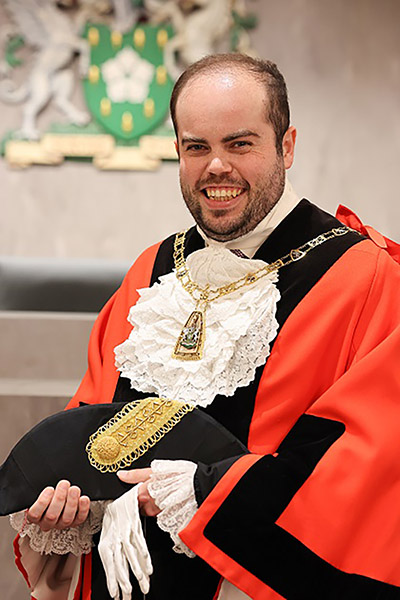
In 2024, he was appointed Bromley’s youngest-ever Deputy Mayor. A year later, at 31, he became the borough’s youngest-ever Mayor — a role that in Britain is largely civic and non-partisan, focused on representing the community, supporting charities and presiding over ceremonial occasions.
Andrews approached the office with characteristic purpose.
His chosen mayoral charities — CASPA and The Maypole Project — both support disabled and neurodivergent people. He has continued speaking publicly about his own experiences with autism, while advocating for broader acceptance and inclusion in schools, workplaces and public life.
Recognition has followed steadily.
Andrews was ranked Britain’s fourth most influential disabled person on the Shaw Trust Power List in 2020. In 2024, he was named the world’s top Neurodiversity Role Model by the Enable List. The following year, he received the Legal 500 ESG Award for Disability and Neurodiversity Champion in the legal sector.
Perhaps most symbolically, in 2025 he was appointed a trustee of the Queen Elizabeth II Commonwealth Trust, a charity dedicated to supporting young leaders across the Commonwealth.
For Andrews, the appointment represented both continuity and responsibility — a continuation of the Commonwealth advocacy that first elevated his public profile, and an opportunity to advance the late Queen’s vision of empowering young changemakers.
Even amid the ceremonial robes, civic receptions and honours, Andrews’ central message has remained strikingly consistent: disability should never determine the limits of a person’s ambitions.
And in a public life that has already traversed international advocacy, law and municipal leadership before the age of 32, he has offered himself as living evidence of that principle.