
Youth and National Youth Policies
May 19by Imran Bacchus
As the world progresses into the future, one of the most significant changes is the evolution of demographics within the global community. While the “youth” is traditionally defined as individuals aged between 15 and 35, it is the demographic group that contributes the most to the innovations and development of the contemporary society. For 2026 and beyond, the intersection of the youth demographic and national policies becomes the single most important area of action for any government.
National Policy on the Youth and Its Relevance
When we talk about the policy related to the youth population, it should be viewed as a way to show how much value the country sees in their youngest citizens and ways to translate the youthful potential into tangible benefits. National Youth Policies reflect governments’ priorities as regards the wellbeing, growth and development of young people. It is the hallmark strategic document that outlines government’s vision and mandate towards the youth. National Youth Policies act as a blueprint to ensure that governments responsibilities align with the established principles and standards.
Demographic Dividend versus the Youth Bulge
While many countries are currently dealing with the youth bulge due to high birth rates in previous decades, the proper management of this demographic pattern would help create the “demographic dividend.” It implies a period during which the size of the working population exceeds the number of dependents, leading to rapid economic growth.
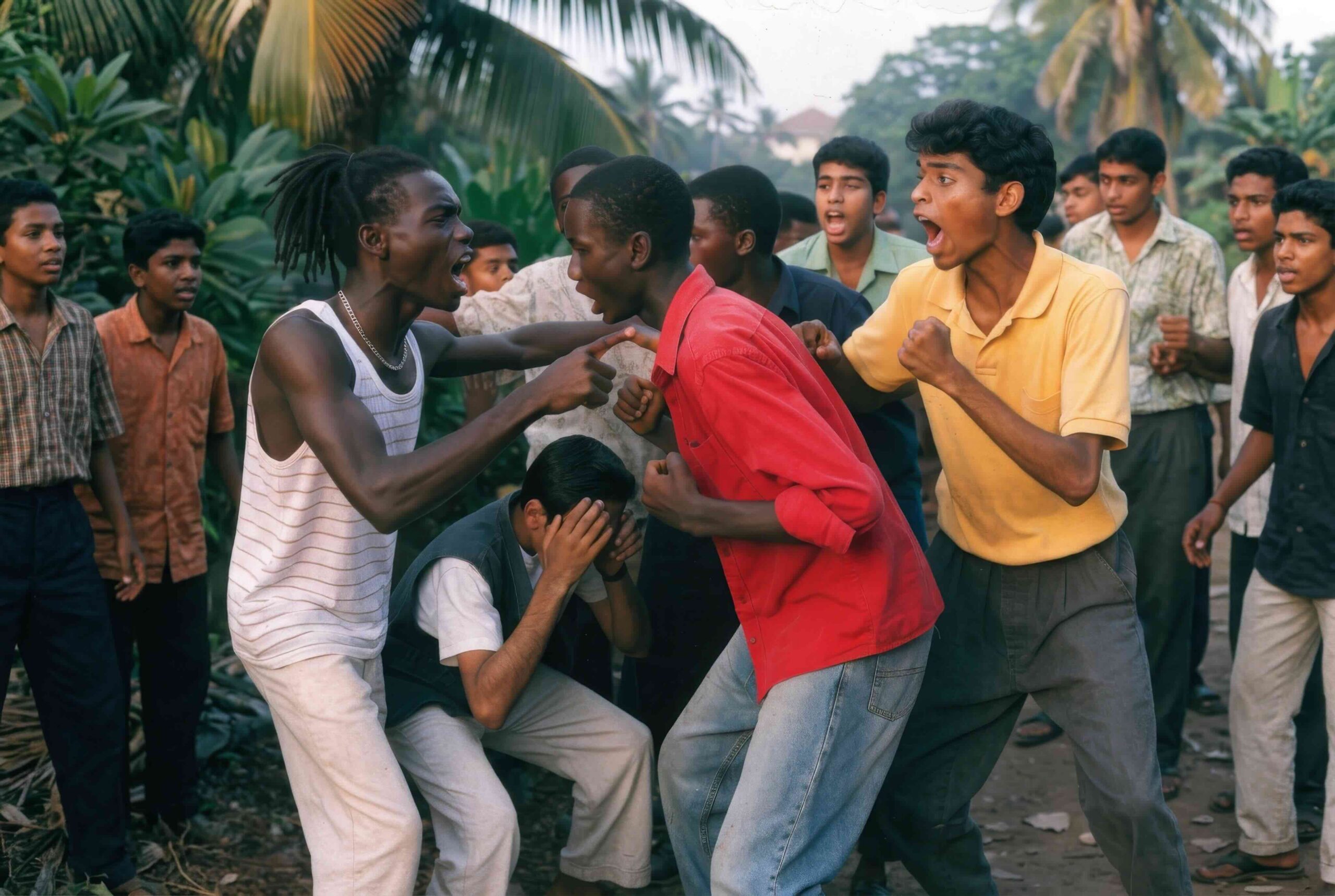
At the same time, the lack of adequate measures to deal with the demographic dividend results in a crisis situation when the population does not have enough resources to ensure the successful integration into society, often leading to conflicts and even violence. Thus, the national policies should move from addressing the problems related to the youth to creating conditions for collaboration.
Education and Skills Required in 2026
While there was a time when a national policy only concerned the issues of education, such approaches become obsolete today. The two main transformations, which are green energy technologies and digitalization, change what skills are necessary for the modern job market.
Thus, effective policies in 2026 should prioritize:
• Digital literacy, ensuring that everyone has equal opportunities to receive high-quality training for a technological society;
• Technical and vocational education, making sure that it is valued in society at par with college degrees;
• Lifelong learning programs that would enable people to acquire new skills throughout their entire career.
Employment of the Young Population
Unemployment among the youth is one of the biggest problems in many regions. The policy that is going to address the matter needs to take a step back and think about solutions other than employment.
One of them includes creating an environment that would enable entrepreneurship among the young population. For example, a policy could lower the cost of starting up a business and offer tax breaks or mentorship programs. Moreover, the government should also try to close the experience gap through subsidized hiring policies for first-time employees.
Political Representation of the Youth
Until recently, the participation of youth in politics meant joining a youth wing of any party or serving in an advisory council. Today, the young generation is becoming increasingly influential, and they need to be granted some decision-making powers in government agencies.
Therefore, one of the key aspects of a policy related to the youth in 2026 would include lowering the age of candidacy and quotas of youth representatives in local and national legislations. Moreover, the implementation of the digital democracy approach that would enable younger generations to collaborate with their representatives could be beneficial as well.
Mental Health Issues in Modern Society
In recent years, the fast-paced and competitive environment in modern society leads to many problems. One of the most dangerous is associated with deteriorating psychological wellbeing among the young people, and that makes it a matter of national security.
Thus, one of the major requirements for any policy related to the youth would include ensuring psychological support to everyone. Specifically, it implies:
• De-stigmatizing mental issues through public campaigns;
• Enabling the young population to gain independence by introducing appropriate affordable housing policies;
• Addressing mental health problems caused by the gig economy using social protection policies.
Finally, one of the critical factors in ensuring success in any policy related to the youth would involve collaboration between the government and members of the generation through communication. Co-creation is the cornerstone of national policies that are going to work.