NetworkingSocial DevelopmentYouth EmpowermentYouth NetworksYouth Work
Home Our latest stories AdvocacyLeadershipSocial DevelopmentVolunteerismYouth Networks Beyond Consultation: Youth Agency, Urban Futures from Ambition to Reality

Beyond Consultation: Youth Agency, Urban Futures from Ambition to Reality

July 22nd, 2026

by Louis Kariuki and Evans Ijakaa

There is a recurring mistake we make when talking about young people: we describe them as the future, disregarding the fact that they are  already shaping the present.

That tension was hard to ignore during the recent capacity-building workshop in Kwale County, Kenya, convened around youth well-being, SDG localisation, and local youth action. The discussions brought together young leaders, government representatives, civil society actors, and development partners around a simple but important question: what does it actually take to move from commitments to action? The answer, we left with, is not more rhetoric. It is agency.
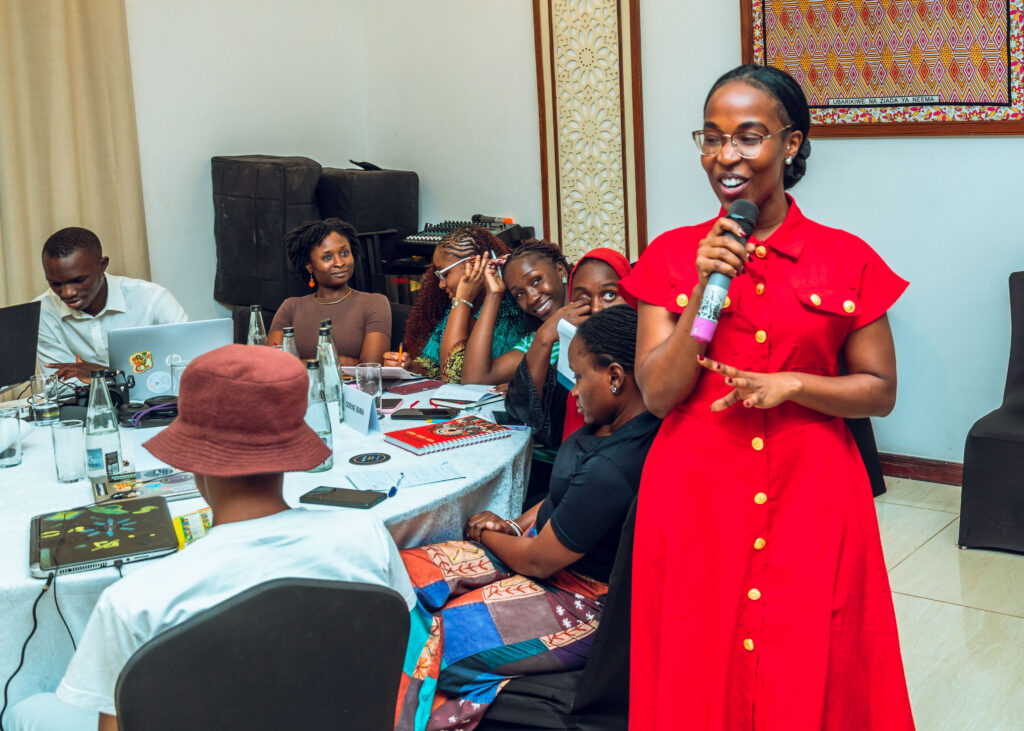
Charity Mwathi of the Commonwealth Secretariat

The workshop made one thing clear from the onset: youth well-being is not a side issue. It is the foundation of sustainable development. If young people are struggling with poor mental health, weak livelihoods, exclusion, insecurity, and limited access to opportunity, then all the policy ambition in the world will remain incomplete. The 2025 World Youth Report, referenced during the workshop, reinforces this point by showing that youth well-being is shaped by social conditions — education, employment, family relationships, poverty, digital environments, and wider societal attitudes — not only by individual resilience.
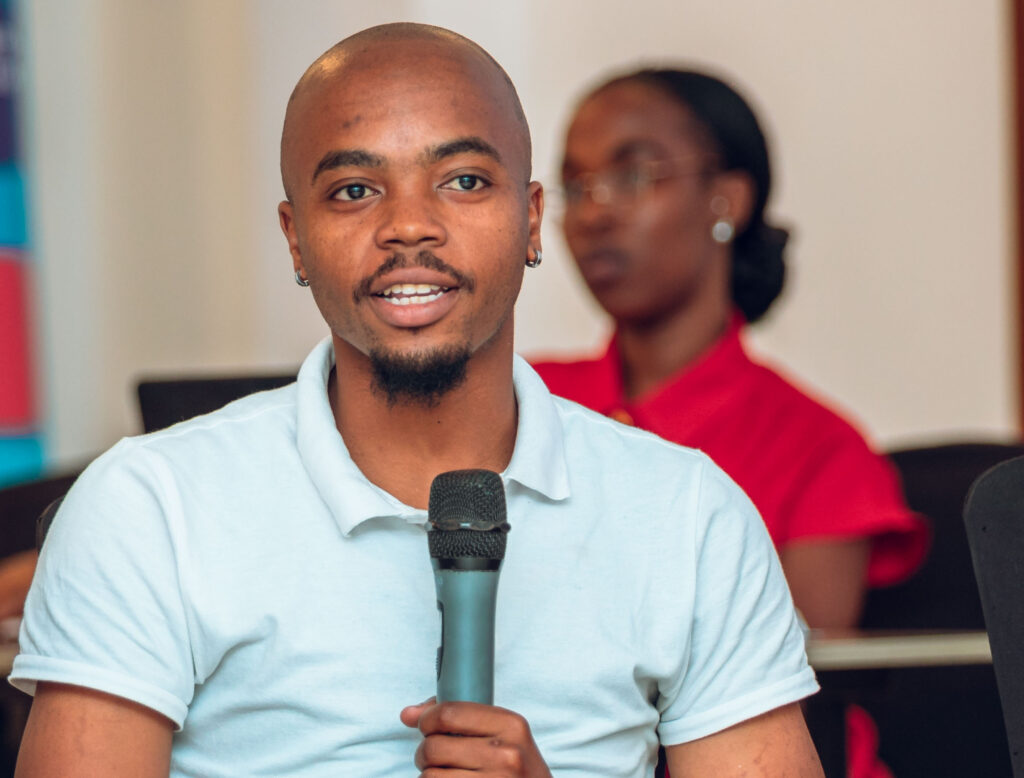
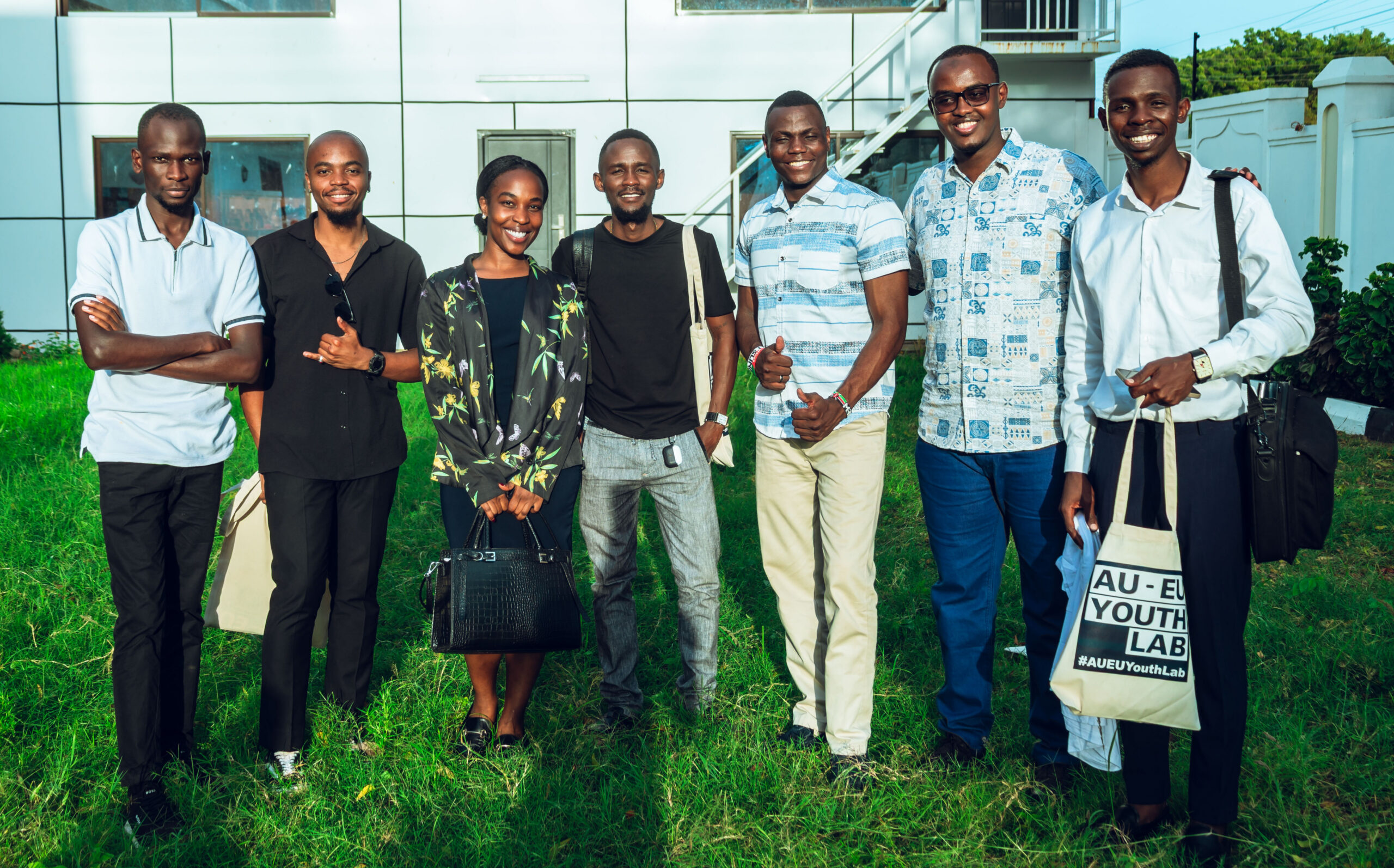
Louis Kariuki of the Commonwealth Youth Climate Change Network

That broader framing matters because it changes the way we think about youth participation. Young people are not asking to be included as an afterthought. They are already organising, building, communicating, advocating, and creating solutions in the places they live. The real question is whether our institutions are prepared to recognise that leadership and help it scale.

In Kwale, that leadership was visible in practical, grounded ways. At Smart Move Community, the Minda Yehu Project is building a community-led land governance model that equips communities with knowledge, links them to institutions, and lets them lead. The project has trained land champions and community paralegals, supported legal clinics, resolved land disputes through mediation, and used community radio to shift the public conversation on land rights. That matters because land is not just a legal question; it is tied to identity, dignity, peace, and the ability of young people to plan for the future.
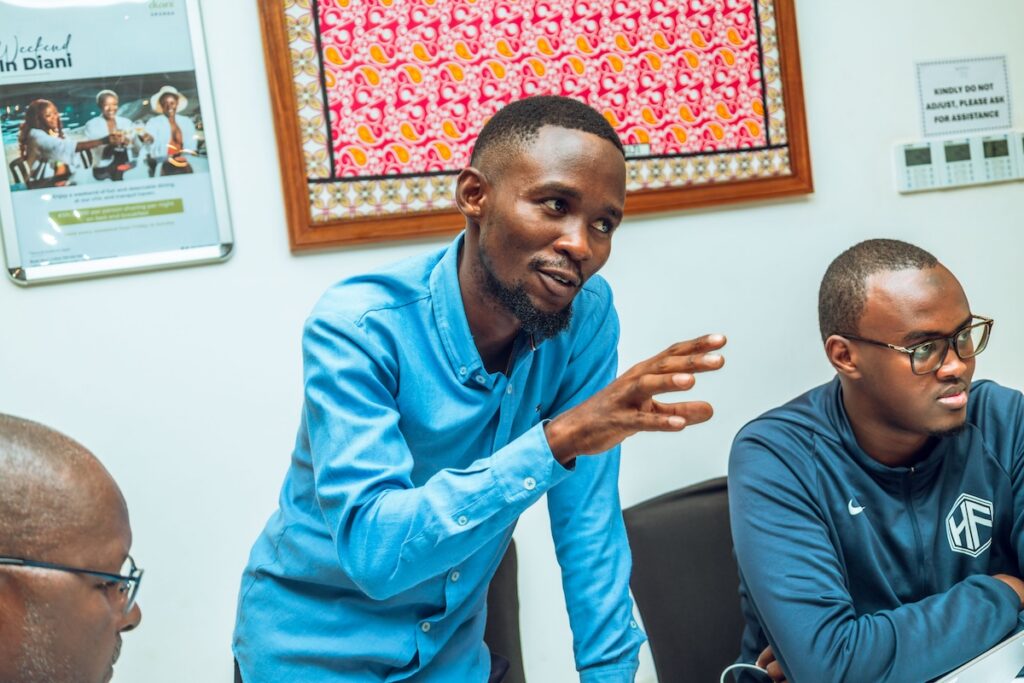
Laurent of Launchpad Collective Limited

A second example came from Launchpad Collective Limited, where young people in Kwale are being equipped with vocational woodworking skills, reclaimed timber sourcing, and market linkages that turn waste into income. Their model sits at the intersection of youth and social development, and climate action, with young people already trained, earning income, and repurposing tonnes of reclaimed timber. It is a useful reminder that climate action is not always abstract. Sometimes it looks like skills, livelihoods, circularity, and better use of local resources.

These examples matter because they cut through a familiar habit in youth conversations: speaking about young people in broad, inspiring terms while underestimating the practical systems they are already building. Youth agency is not only about protest or policy influence. It is also about organising a legal clinic, running a community radio conversation, building a circular livelihood model, or making a local intervention more accountable and more sustainable.
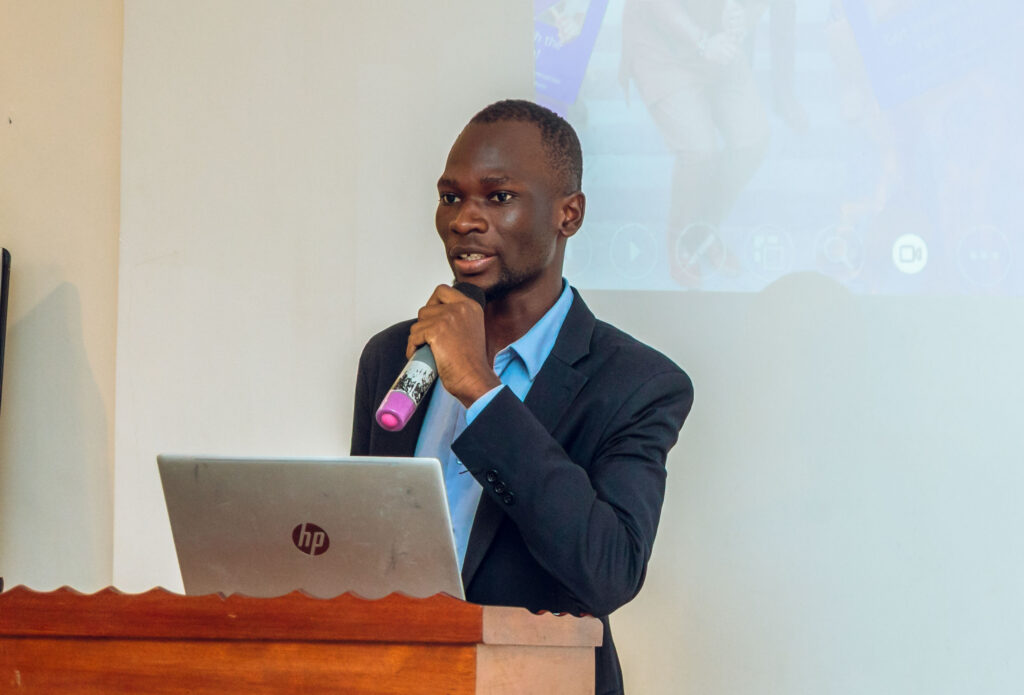
Evans Ijakaa of the Commonwealth Correspondents Network

This is especially relevant to Kenya and to Africa’s urban future. Our cities are growing fast, and the pressures on land, housing, transport, climate resilience, livelihoods, and public trust are only getting more complex. In that context, the idea that urban transformation will be delivered purely through top-down planning is unrealistic. The places where change will be most durable are the places where young people are already testing solutions, building community trust, and bridging formal systems with lived realities.

The workshop also underscored something that is sometimes overlooked in youth conversations: local government matters. The presence and participation of Kwale County Government showed how much can be gained when counties work with youth organisations, not around them. That kind of collaboration is where local challenges can be reframed as opportunities for innovation, investment, and partnership.
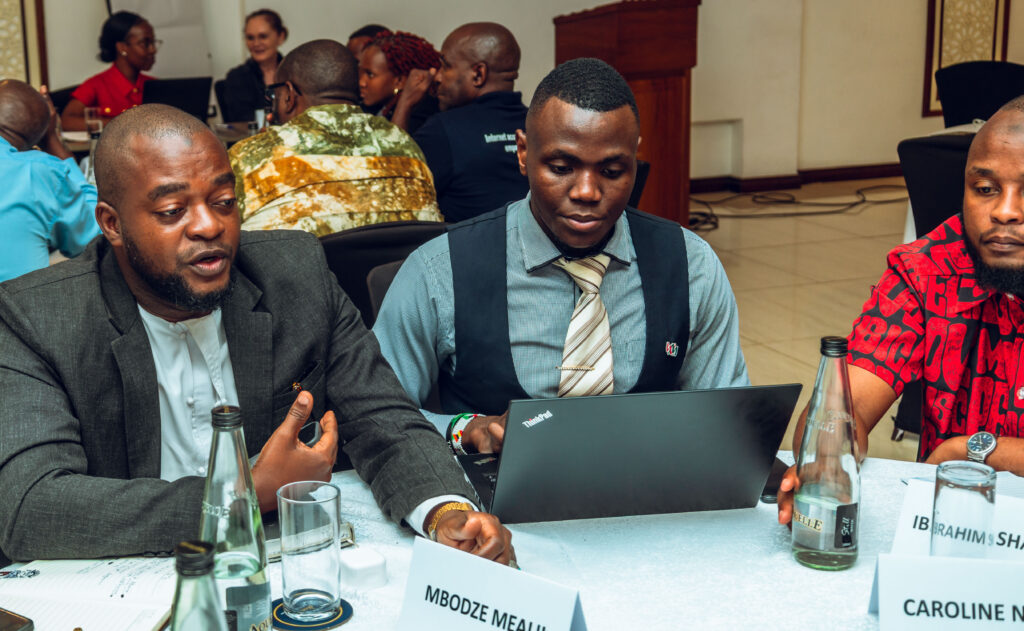
Jamal of Smart Move Community

For the Commonwealth, this should matter. Youth empowerment is not only about giving young people a seat at the table. It is about building tables that are responsive enough to their ideas. It is about connecting local action to Commonwealth platforms, and ensuring that youth-led solutions are not only visible, but resourced and recognised. As the workshop conversation made clear, young people are already contributing through leadership, advocacy, journalism, climate action, entrepreneurship, storytelling, and innovation. The missing ingredient is often not talent. It is the enabling environment that turns effort into sustained impact.

The task now is not to ask whether youth can lead. They already are. The task is to support the ecosystems that allow that leadership to grow, connect, and endure.

About the authors

Louis Kariuki is with the Commonwealth Youth Climate Network.

Evans Ijakaa is with the Commonwealth Correspondents Network.

Share

About the author

Evans Ijakaa

Evans Ijakaa is a digital journalist passionate about advocating for African issues, focusing on international relations, regional integration, and geopolitics. A national of Kenya, his ambition is to use journalism to amplify marginalized voices, promote good governance, and foster meaningful conversations on social and political issues impacting Africa. He aims to drive change through impactful storytelling, highlighting solutions to challenges like poverty, governance, and climate change. He uses digital platforms to engage audiences and inspire action for a better, united Africa.

Related articles

Democracy & ParticipationEntrepreneurship & EmploymentFairness & EquityMigrationPeace and JusticePoverty and Food SecurityUrban Life
Democracy & ParticipationYouth DevelopmentYouth EmpowermentYouth Policy
View all

Submit your content

Submit a video
Submit an article

by Louis Kariuki and Evans Ijakaa

There is a recurring mistake we make when talking about young people: we describe them as the future, disregarding the fact that they are  already shaping the present.

That tension was hard to ignore during the recent capacity-building workshop in Kwale County, Kenya, convened around youth well-being, SDG localisation, and local youth action. The discussions brought together young leaders, government representatives, civil society actors, and development partners around a simple but important question: what does it actually take to move from commitments to action? The answer, we left with, is not more rhetoric. It is agency.

Charity Mwathi of the Commonwealth Secretariat

The workshop made one thing clear from the onset: youth well-being is not a side issue. It is the foundation of sustainable development. If young people are struggling with poor mental health, weak livelihoods, exclusion, insecurity, and limited access to opportunity, then all the policy ambition in the world will remain incomplete. The 2025 World Youth Report, referenced during the workshop, reinforces this point by showing that youth well-being is shaped by social conditions — education, employment, family relationships, poverty, digital environments, and wider societal attitudes — not only by individual resilience.

Louis Kariuki of the Commonwealth Youth Climate Change Network

That broader framing matters because it changes the way we think about youth participation. Young people are not asking to be included as an afterthought. They are already organising, building, communicating, advocating, and creating solutions in the places they live. The real question is whether our institutions are prepared to recognise that leadership and help it scale.

In Kwale, that leadership was visible in practical, grounded ways. At Smart Move Community, the Minda Yehu Project is building a community-led land governance model that equips communities with knowledge, links them to institutions, and lets them lead. The project has trained land champions and community paralegals, supported legal clinics, resolved land disputes through mediation, and used community radio to shift the public conversation on land rights. That matters because land is not just a legal question; it is tied to identity, dignity, peace, and the ability of young people to plan for the future.

Laurent of Launchpad Collective Limited

A second example came from Launchpad Collective Limited, where young people in Kwale are being equipped with vocational woodworking skills, reclaimed timber sourcing, and market linkages that turn waste into income. Their model sits at the intersection of youth and social development, and climate action, with young people already trained, earning income, and repurposing tonnes of reclaimed timber. It is a useful reminder that climate action is not always abstract. Sometimes it looks like skills, livelihoods, circularity, and better use of local resources.

These examples matter because they cut through a familiar habit in youth conversations: speaking about young people in broad, inspiring terms while underestimating the practical systems they are already building. Youth agency is not only about protest or policy influence. It is also about organising a legal clinic, running a community radio conversation, building a circular livelihood model, or making a local intervention more accountable and more sustainable.

Evans Ijakaa of the Commonwealth Correspondents Network

This is especially relevant to Kenya and to Africa’s urban future. Our cities are growing fast, and the pressures on land, housing, transport, climate resilience, livelihoods, and public trust are only getting more complex. In that context, the idea that urban transformation will be delivered purely through top-down planning is unrealistic. The places where change will be most durable are the places where young people are already testing solutions, building community trust, and bridging formal systems with lived realities.

The workshop also underscored something that is sometimes overlooked in youth conversations: local government matters. The presence and participation of Kwale County Government showed how much can be gained when counties work with youth organisations, not around them. That kind of collaboration is where local challenges can be reframed as opportunities for innovation, investment, and partnership.

Jamal of Smart Move Community

For the Commonwealth, this should matter. Youth empowerment is not only about giving young people a seat at the table. It is about building tables that are responsive enough to their ideas. It is about connecting local action to Commonwealth platforms, and ensuring that youth-led solutions are not only visible, but resourced and recognised. As the workshop conversation made clear, young people are already contributing through leadership, advocacy, journalism, climate action, entrepreneurship, storytelling, and innovation. The missing ingredient is often not talent. It is the enabling environment that turns effort into sustained impact.

The task now is not to ask whether youth can lead. They already are. The task is to support the ecosystems that allow that leadership to grow, connect, and endure.

About the authors

Louis Kariuki is with the Commonwealth Youth Climate Network.

Evans Ijakaa is with the Commonwealth Correspondents Network.