The High Cost of Xenophobia in South Africa
June 21by Joshua Kimera
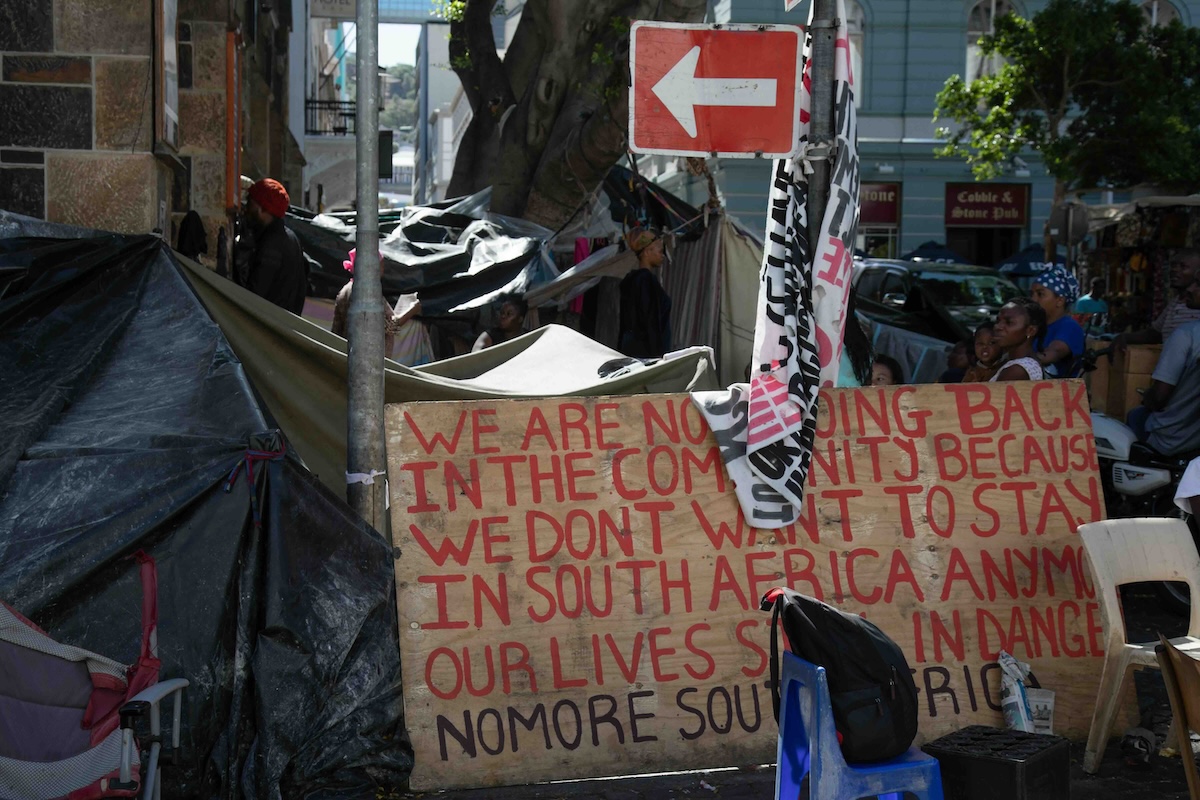
An eternal conversation, almost like a broken record, Xenophobia in South Africa. A sorry excuse for poverty, unemployment, high crime rate, homelessness etc. A cluster of South Africans have decided yet again that their fight is not with authority and those that command or abuse it but between their brothers and sisters.
Xenophobia refers to the irrational fear or dislike of people from different countries or cultures, often resulting in discrimination and social exclusion. This phenomenon is a significant concern as it undermines efforts to combat racism and promote inclusivity.
The South African authorities have denied all claims of xenophobic sentiments within the state. However, careful dissection of print and broadcast media suggests otherwise. Operation Dudula and aligned March and March movement with leaders Jacinta Ngobese-Zuma, Victoria Africa and Zanile Dabula to name a few, are ostracising black migrants.
Black South Africans, the saying ‘No man is an island’ is fact. Need you be reminded of the fight that was put up by the frontline states or their contributions? According to the 1989 United Nations report on the impacts of apartheid, published by the UN Economic Commission for Africa (UNECA) under the title South African Destabilization: The Economic Cost of Frontline Resistance, the estimated cost of damages to the Frontline States was 60 billion US dollars (calculated at 1988 prices) which is approximately $167.4 billion today. The UN report emphasized that this destruction didn’t just cost money but derailed the economic growth trajectory of the Southern African region.
Today Ugandans, Nigerians, Ghanaians, Zambians, Mozambicans and Basothos you hunt, despise and blame. These “criminals” or Makwerekwere (derogatory term) actively contribute to your economy, put money in your pockets and food on your tables. A World Bank report shows that one immigrant worker creates about two jobs for South Africans.
Lesotho provides your water, Mozambique has vital trade routes, Ghana has mining contracts with South African companies, millions across the Africa use MTN, others import your goods and boost tourism. Destabilising any of these relations could have severe negative implications on the economy.
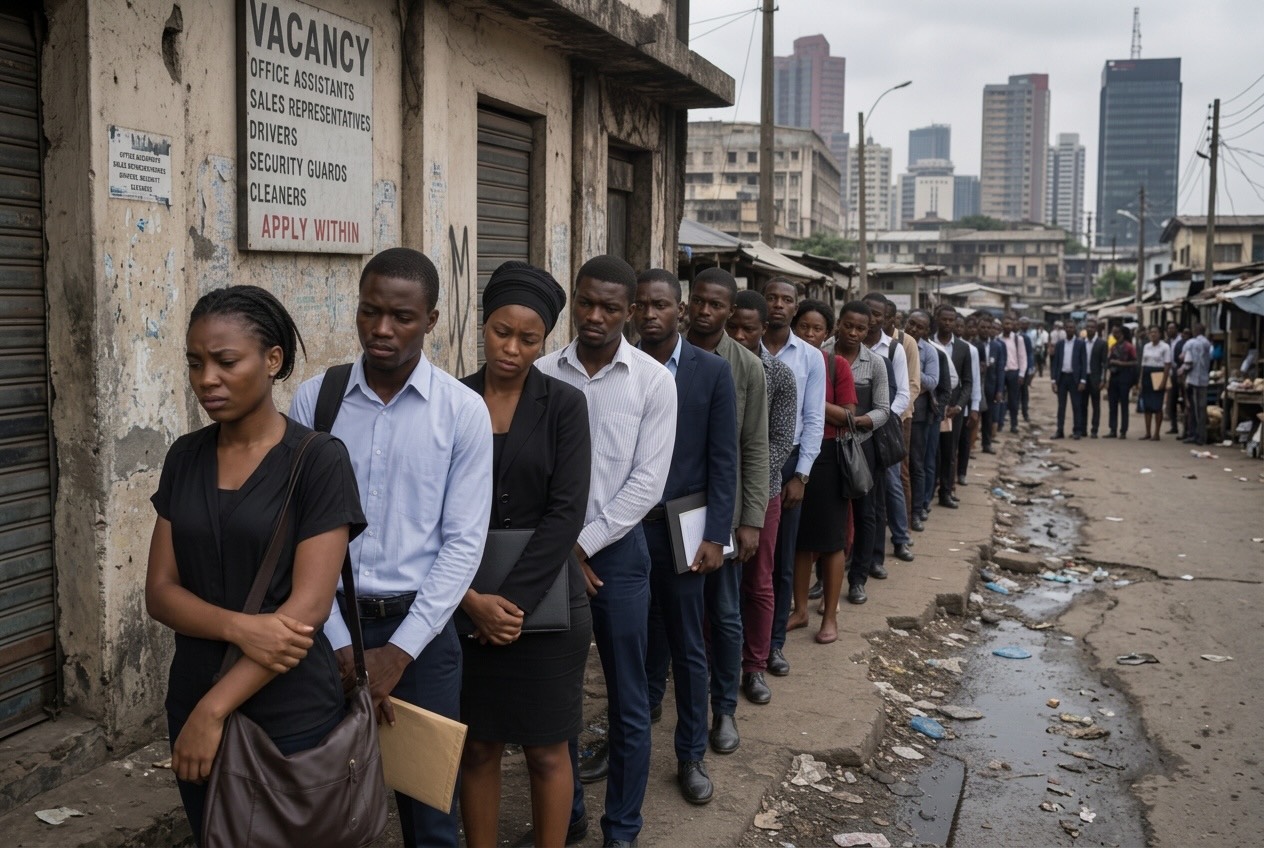
Let’s say all the migrants go back to their countries. South Africans will not be able to occupy the vacancies and become productive units of the economy. A more vivid example of this was Idi Amin’s expulsion of South Asians in August 1972. Ugandans at the time did not have the experience or expertise to continue the trade and as a result the economy suffered a tremendous blow.
Furthermore, if African states follow suit and repatriate their citizens not only will trade and diplomatic ties be strained but also all their money will go with them. In the past few weeks Lesotho wants to reconsider the water deal, Ghana has refused to renew mining contracts and Mozambique blocked thousands of trucks with South African goods.
Thirdly, tourism that contributes 4.9 per cent of your GDP and roughly 1 million jobs will plummet due to the decline in foreign tourism.
These effects are the tip of the iceberg. We all agree that illegal migration is a problem but the leaders you vote make the policies or refuse to reform them. Furthermore, there are systems in place and if they are failing blame those that set them up, then address the problem.
Recently, Jacinta Ngobese-Zuma did not agree with Ghana’s move to repatriate their citizens saying that the move makes South Africa seem ungovernable. In one of the videos, Victoria Africa requests a white man to fire the foreign nationals he employs and opt for South Africans. However, his response was peculiar and taken as gospel truth by Victoria and her compatriots. The truth in question was the lack of work ethic among the South Africans he previously hired. Operation Dudula or March and March leaders are yet to address this and a number of foreigners interviewed have equally concluded the same.
1994, 1998, 2008, 2015, 2019 and now 2026. The difference this time is how fast the dissemination of information is. Other commentators, such as Voice of RSA, argue that because South Africa has positioned herself as a global moral authority (particularly by taking Israel to the International Court of Justice) it faces heightened scrutiny. While previous accusations from the Trump administration regarding the mistreatment of white farmers were largely baseless and easily discredited, recent waves of anti-foreigner protests targeting Black immigrants could be weaponized to undermine South Africa’s international standing. You cannot champion human rights on the world stage while violating them in your own backyard and as Chinua Achebe put it “if one finger brought oil, it soiled the others”.
Xenophobia is lazy! It is a cheap, loud and violent distraction from the real architects of the crisis. Looting and destroying immigrant businesses or harassing fellow Africans will not fix broken infrastructure, cure deep-seated corruption, or spontaneously grant work ethic. I invite you all to a more nuanced conversation about the power of your vote.