One Year On: How Cyprus’s Youth Found a Seat at the Peace Table
August 11by Katerina Panagi
For decades, peace negotiations on the divided island of Cyprus were treated as the exclusive domain of senior politicians, diplomats, and negotiators. Young Cypriots—born long after the island was physically and politically divided in 1974—frequently found themselves shaped as passive observers of a future being drafted entirely without them.
While peace talks cycled through familiar impasses and high-level summits came and went, the everyday reality for young people on both sides of the United Nations Buffer Zone remained largely unchanged.
One year ago, that historical narrative began to shift. Following sustained advocacy by UN Under-Secretary-General Rosemary DiCarlo and Personal Envoy María Ángela Holguín Cuéllar, the two community leaders agreed to establish the Technical Committee on Youth.
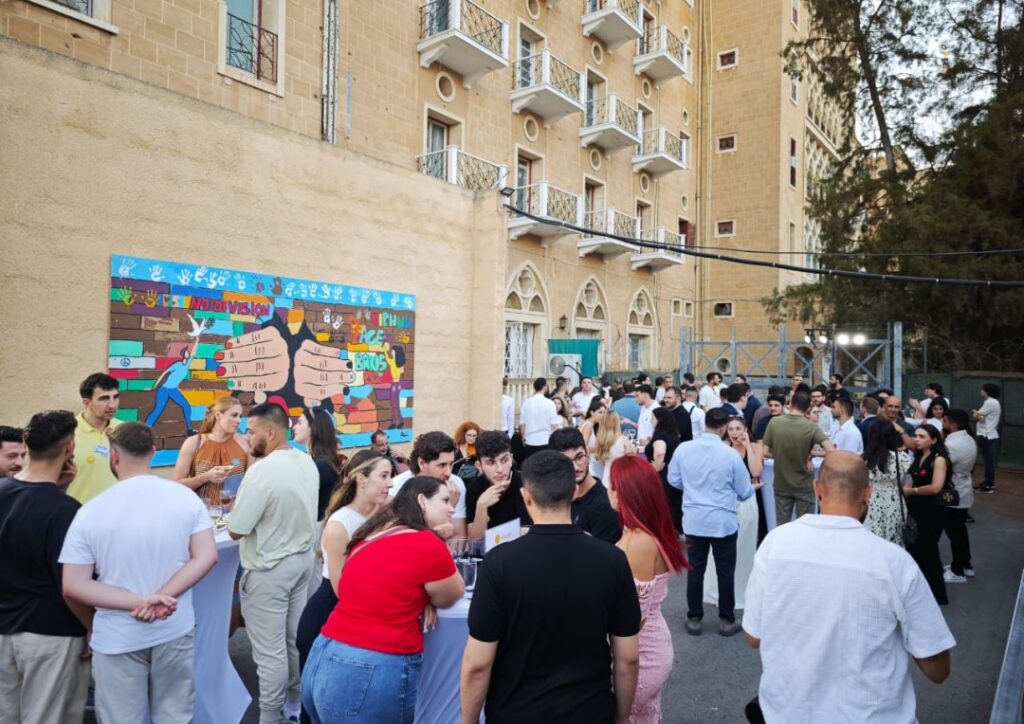
Formally created as the thirteenth bicommunal technical committee operating under UN auspices—and the first new committee established in over a decade—it marked a structural evolution in the island’s peace process. Thirty-two young Greek Cypriots and Turkish Cypriots sat down together at the historic Ledra Palace Hotel in the Buffer Zone. They were not gathered simply to participate in another symbolic workshop on reconciliation; they were handed an official mandate to shape policy, build trust, and address the everyday challenges confronting their generation.
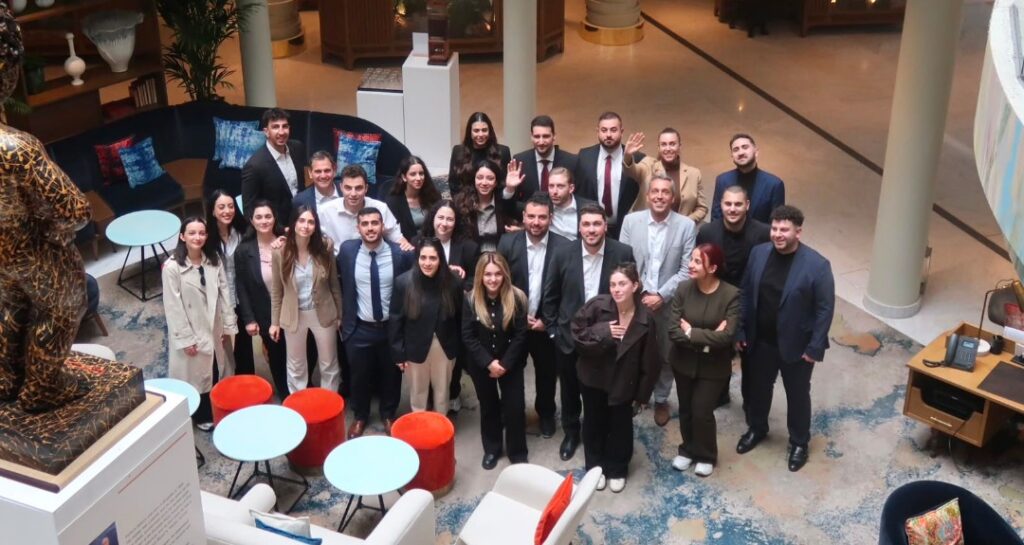
When these 32 members—a group achieving exact gender parity and encompassing lawyers, doctors, researchers, artists, athletes, and entrepreneurs—first met in May 2025, skepticism was high. Decades of frozen political dialogue had left civil society cautious about top-down initiatives. Yet, over the past 12 months, the committee has quietly cultivated something notoriously scarce in high-level diplomacy: genuine inter-communal trust. Through regular working sessions facilitated by the UN Good Offices Mission, members established a psychological safety zone where sensitive, long-standing grievances could be debated openly and constructively. Committee members emphasise that this internal trust was not built through diplomatic performance, but through radical honesty.
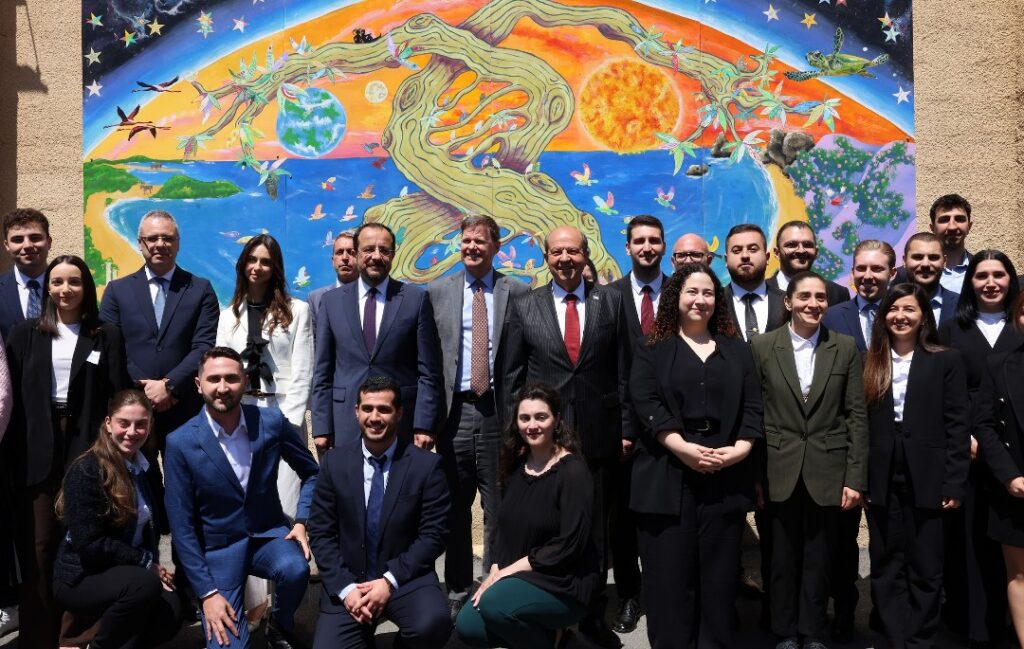
As the Greek Cypriot Co-Chair Amalia Avraam noted following the group’s initial milestones, the committee has succeeded in operating without hidden agendas, creating a space grounded in mutual respect where stark political differences can be voiced without hostility. Rather than becoming paralysed by the grand constitutional questions that have stalled Track 1 negotiations for half a century, the committee chose to ground its efforts in practical realities. Their work over the past year has focused on tangible projects, including upcoming joint health initiatives and the development of an interactive digital platform designed with UN support. This portal will allow citizens across the island to submit peacebuilding proposals directly to the committee, establishing a direct channel for participatory democracy.
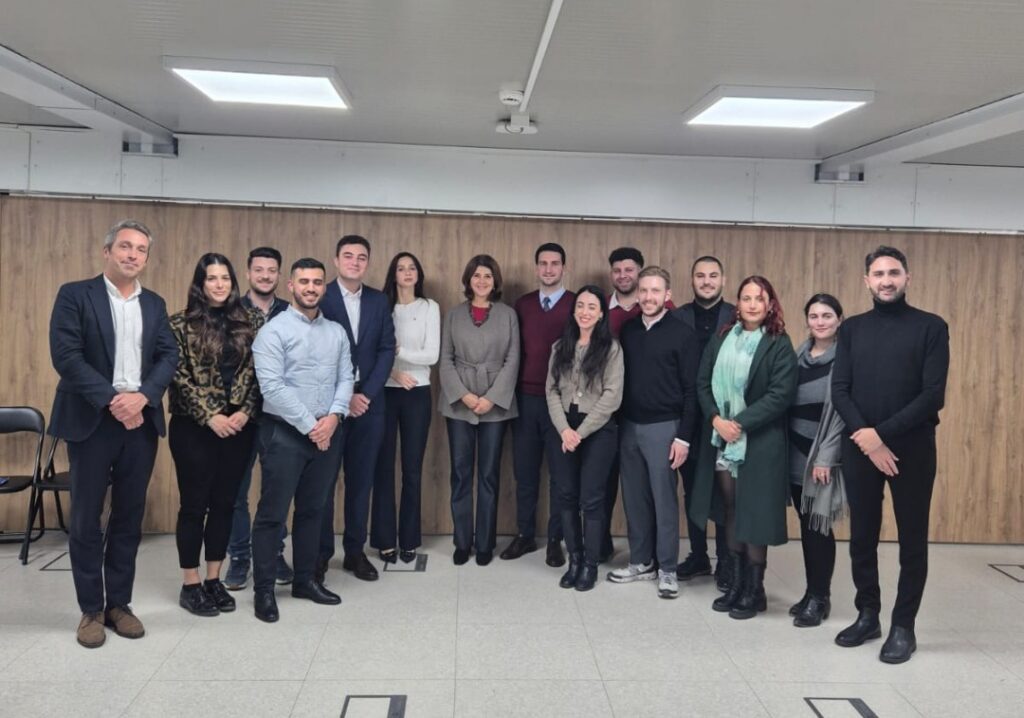
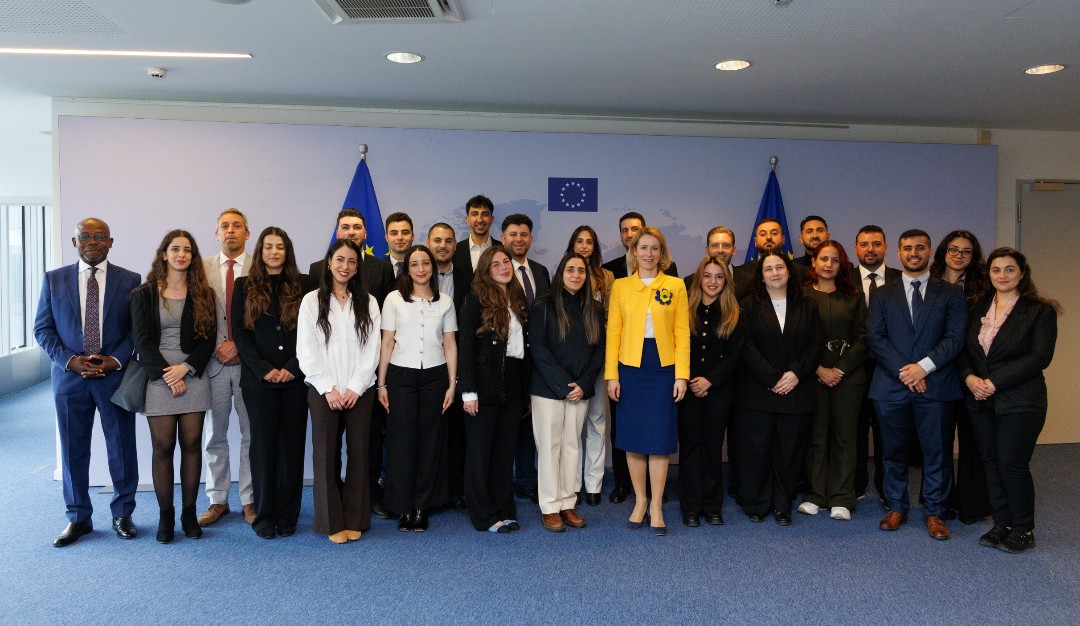
The committee’s practical momentum soon attracted high-level international recognition. In June 2026, the entire bicommunal delegation traveled to Brussels for an unprecedented working visit at the direct invitation of Kaja Kallas, the EU High Representative for Foreign Affairs and Security Policy. The visit was a watershed moment: for the first time in the history of the Cyprus dispute, a joint, bicommunal group of young Greek Cypriots and Turkish Cypriots sat directly across the table from top European leadership to advocate for their generation’s collective future.
During a comprehensive two-hour dialogue with High Representative Kallas, alongside meetings with representatives from the European Commission’s Directorate-General for Regional and Urban Policy (DG REGIO) and a video consultation with UN Envoy Holguín, the committee bypassed standard diplomatic platitudes. They brought raw, everyday issues straight to Brussels. The delegation highlighted the systemic isolation faced by Turkish Cypriot youth, detailing how political status restrictions hinder participation in international sports competitions, limit higher education mobility, and restrict access to broader EU rights.
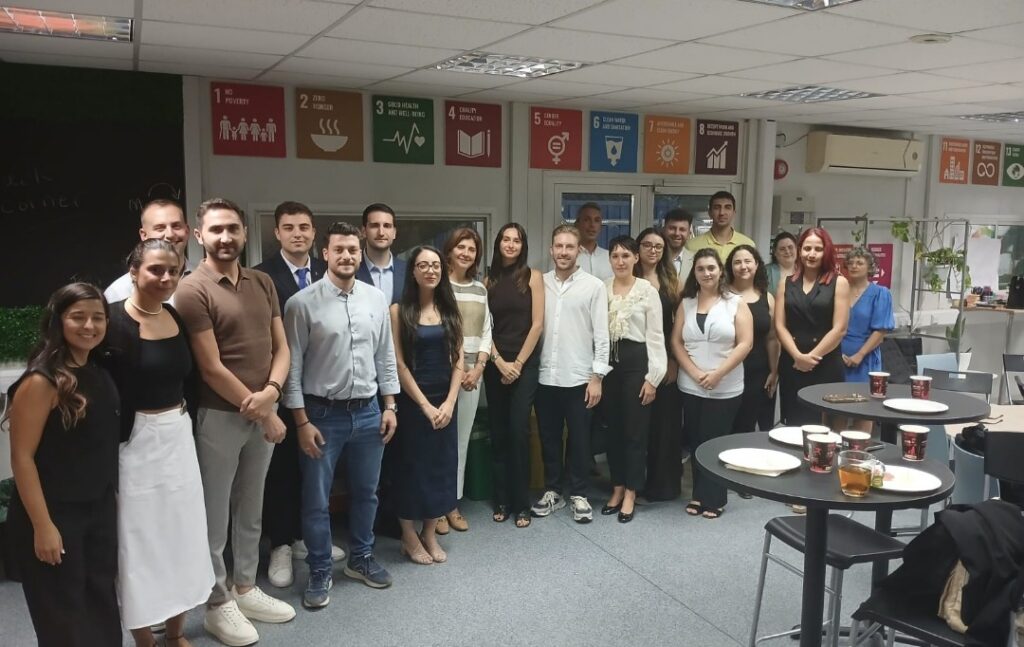
They raised complex civil status dilemmas surrounding mixed-marriage offspring and advocated for practical financial and regulatory measures to ease cross-buffer trade and communication. The Brussels summit delivered a clear message to the international community: European integration and confidence-building cannot treat youth issues as secondary matters to be resolved only after a formal political settlement.
The timing of this international validation carries deep strategic weight. UN Secretary-General António Guterres and his team are actively evaluating progress on confidence-building measures as part of a critical window before key UN mandates transition. Recognising that lasting peace cannot rely solely on top-down diplomacy, local political leaders have also moved to reinforce the committee’s mandate. President Nikos Christodoulides and local authorities have pledged to strengthen the institutional weight of the Technical Committee on Youth, ensuring that its recommendations feed directly into decision-shaping bodies rather than remaining peripheral suggestions.
Looking ahead to its second year, the committee is positioning itself to expand its structural footprint. Key priorities include institutionalising youth consultation by placing youth representatives inside other existing technical committees—such as those focusing on environmental protection, cultural heritage, and trade. Members are also actively advocating for dedicated civil-society and youth spaces along buffer zone checkpoints to reduce the physical and administrative barriers that prevent young people from meeting regularly. At the same time, the group is preparing to launch island-wide initiatives in public health and green innovation, utilising shared challenges like environmental sustainability to unite youth across the divide.
The evolution of Cyprus’s Youth Technical Committee over its first year offers a compelling case study for the global Youth, Peace, and Security framework enshrined in UN Security Council Resolution 2250. It demonstrates that peace is rarely delivered overnight through a single signature on a piece of paper; it is forged gradually through daily, intentional collaboration across historical divides. As Secretary-General Antonio Guterres has frequently reminded the international community, international bodies cannot impose a lasting solution from the outside—only citizens themselves can build one from within. The young leaders sitting around the table at Ledra Palace are no longer waiting for permission to claim their future. They are actively constructing it, proving that steady, bottom-up trust is the most resilient foundation a divided island can have.