Environment & Climate ChangeNetworkingSustainable Development GoalsYouth Networks
Home Our latest stories COP30Climate ChangeConservationEnvironmental ProtectionYouth NetworksYouth Work Championing the Future: Reflections from the Commonwealth Youth Multilateral Negotiations Training

Championing the Future: Reflections from the Commonwealth Youth Multilateral Negotiations Training

June 12th, 2026

by Bevon Charles | Commonwealth Youth Climate Change Network

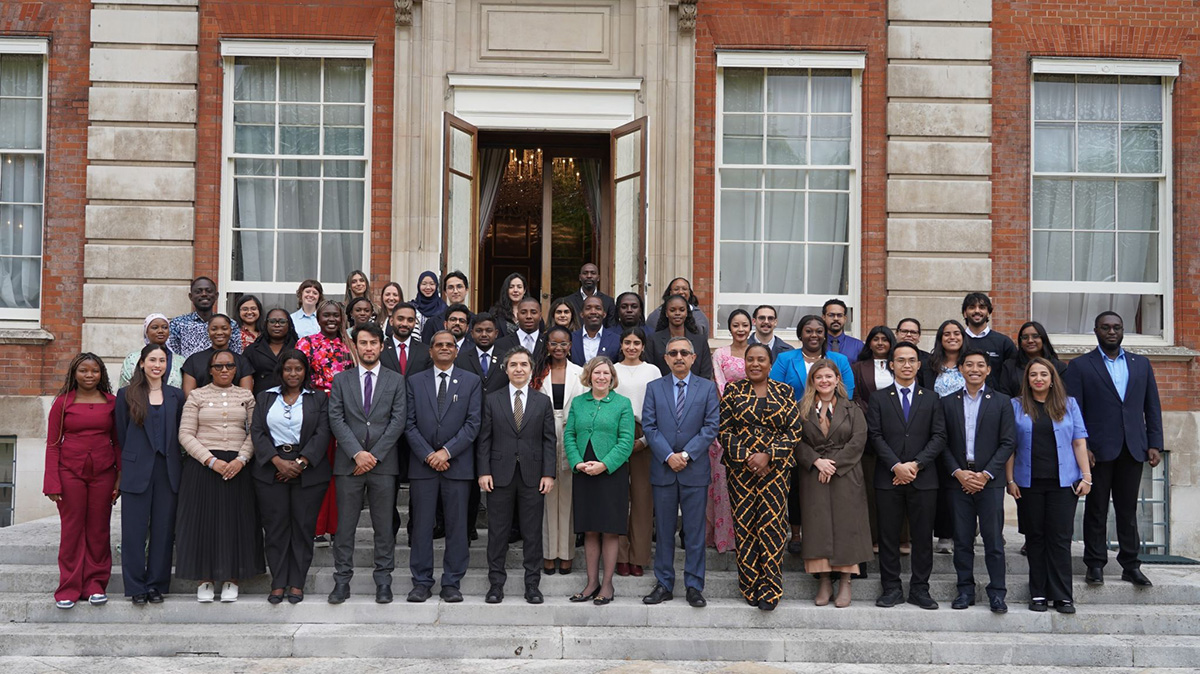
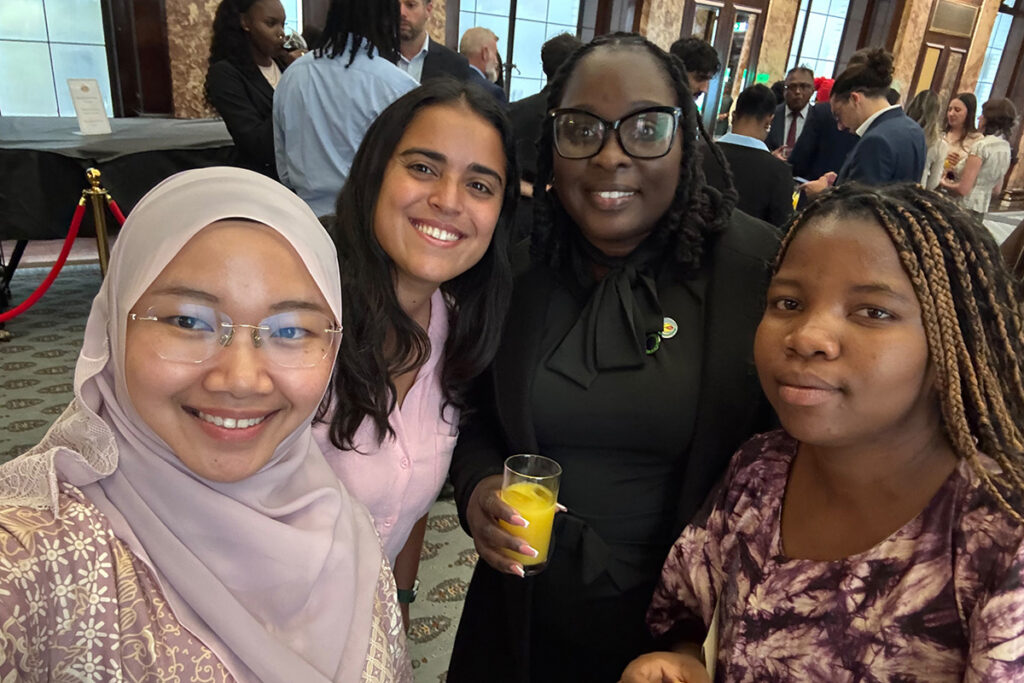
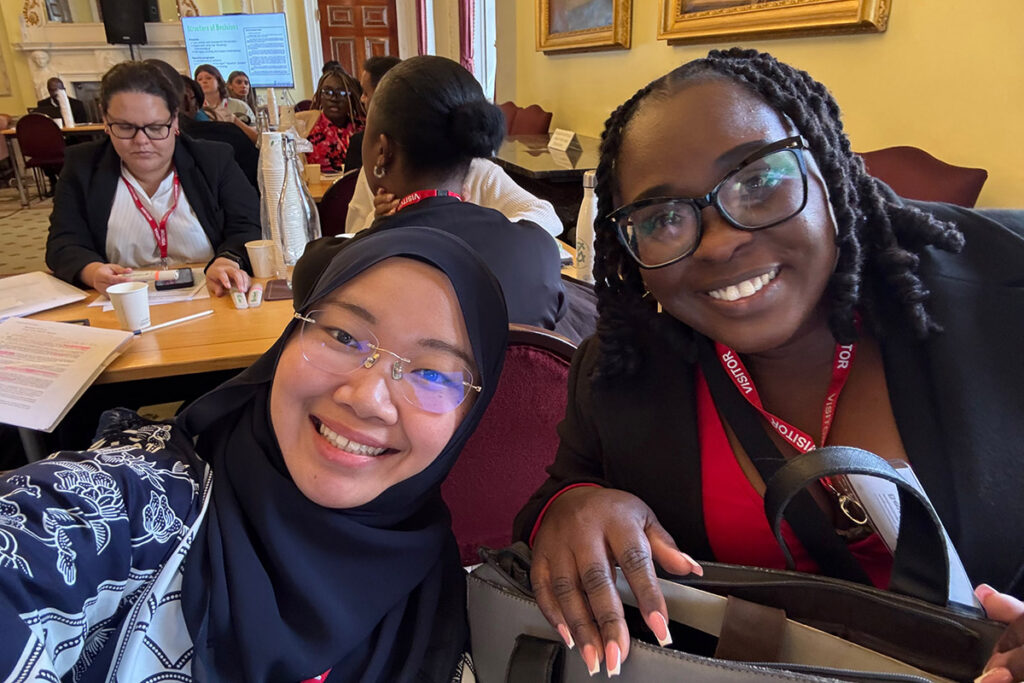
The Second Commonwealth Youth Multilateral Negotiations Training, convened from 3 to 5 June 2026 at Marlborough House, in London, brought together 36 emerging climate youth leaders from across the Commonwealth to deepen their engagement with multilateral environmental processes. I participated in this training in my capacity as the Regional Representative of the Commonwealth Youth Climate Change Network for the Caribbean and found it professionally transformative.

Day One: Foundations of Global Environmental Governance

Mr Tanmaya Lal, Deputy Secretary-General of the Commonwealth Secretariat, stated that more than 60 per cent of the Commonwealth’s 2.7 billion population is under the age of 30, making youth integral to climate governance. Mr. Lal’s framing set the tone for a training that treated youth capacity not as an auxiliary concern but as a governance imperative.

The training was delivered by Ms. Lia Newman, an independent climate policy consultant. The first day highlighted the systemic interdependence of the triple planetary crisis—climate change, biodiversity loss, and land degradation, which are frequently addressed in isolation. Poor land management accelerates biodiversity loss, which in turn weakens carbon sinks and amplifies climate vulnerability. This integrated perspective is essential for effective multilateral engagement, as the Rio Conventions (UNFCCC, CBD, and UNCCD) are increasingly expected to operate in synergy rather than silos.

A particularly valuable session examined the anatomy of decision texts—the formal instruments through which Conference of the Parties (COP) outcomes are codified. Delegates were introduced to the distinction between preambular paragraphs, which provide context and political framing, and operative paragraphs, which establish binding actions and commitments. The exercise of identifying bracketed text—language that remains under negotiation—revealed the precision required in multilateral drafting. A single verb, a qualifying phrase, or the placement of a comma can substantively alter the obligations of 198 Parties. This understanding of language as a mechanism of power is foundational to effective negotiation participation.
Day Two: The Discipline of Climate Diplomacy

The second day transitioned from knowledge acquisition to skill application. Mr. Mxolisi Sibanda, Adviser Climate Change, Commonwealth Secretariat, delivered a comprehensive session on climate diplomacy, emphasising that negotiation is fundamentally a problem-solving discipline rather than an adversarial debate. The most effective negotiators are not those who speak most frequently, but those who listen most attentively.

Consequently, a mock negotiation exercise was organised where delegates were assigned country positions and tasked with negotiating a contested finance paragraph within a simulated contact group. The exercise demanded the application of multiple competencies: drafting concise interventions, identifying areas of convergence among divergent positions, managing constructive ambiguity, and navigating the informal dynamics of corridor diplomacy.

Delivering a 60-second opening intervention required rigorous discipline. The training framework prescribed a five-part structure: salutation and appreciation of the Chair; clear statement of priorities; pre-emptive response to anticipated opposition; constructive proposal for advancement; and cooperative closing reaffirming commitment to consensus. This structure ensures that interventions are not merely declarative but instrumental, designed to influence text, build coalitions, and advance negotiations.

The mock negotiation also illuminated the importance of informal discussions  in corridors or at the margins of formal sessions in resolving formal deliberation. Similarly, “Friends of the Chair” sessions, where small groups convene to address particularly contentious issues, can generate ‘bridging language’ that sustains broader consensus. These mechanisms are not procedural footnotes; they are the operational reality of multilateral decision-making.
Day Three: Finance, Simulation, and a Charge to Lead

The final day discussed how central climate finance is for the implementation of all three Rio Conventions. Delegates examined the mandates and operational modalities of the Global Environment Facility, the Green Climate Fund, the Adaptation Fund, the Fund for Responding to Loss and Damage, and newer instruments such as the Global Biodiversity Framework Fund and the Cali Fund for Digital Sequence Information. A recurring theme was the disjunction between finance pledged and finance accessed: availability does not automatically translate into accessibility when institutional capacity, accreditation requirements, and procedural complexity create barriers for developing countries.

The morning session provided a detailed briefing for the final simulation, in which delegates were divided into Group A and Group B negotiating teams. Group A engaged in live negotiations while Group B prepared drafting interventions and observed; the roles then reversed. This format allowed participants to experience both the pressure of real-time negotiation and the analytical value of structured observation.

The training concluded with closing remarks from Suresh Yadav, Senior Director, Climate Change and Oceans at the Commonwealth Secretariat. He urged youth delegates to move beyond observational participation and  assume active championing of climate action. This framing elevates youth engagement from a tokenistic gesture to a governance necessity.

Conclusion

The Commonwealth Youth Multilateral Negotiations Training was an investment in youth development that will yield governance dividends for years to come. It affirmed that youth are not merely the future of climate diplomacy—they are its present. Additionally, the Commonwealth model demonstrates that investing in the skill and capacity building of youth climate leaders is central to their successful participation in climate governance.  The knowledge, skills, and relationships cultivated at Marlborough House will equip a new generation of Commonwealth youth leaders to engage meaningfully in the Rio Conventions, to advocate for equity and ambition, and to ensure that the voices of the most vulnerable communities are heard in the rooms where binding decisions are made.

As we prepare for COP31 and the negotiations ahead, this training has equipped us with the technical skills and knowledge necessary to strengthen meaningful youth engagement in global climate processes. The tools have been provided. The networks have been forged. The moment now demands action. We accept the responsibility to champion—not only for our nations, but for the world we are determined to secure.

Share

About the author

Submit your content

Submit a video
Submit an article

by Bevon Charles | Commonwealth Youth Climate Change Network

The Second Commonwealth Youth Multilateral Negotiations Training, convened from 3 to 5 June 2026 at Marlborough House, in London, brought together 36 emerging climate youth leaders from across the Commonwealth to deepen their engagement with multilateral environmental processes. I participated in this training in my capacity as the Regional Representative of the Commonwealth Youth Climate Change Network for the Caribbean and found it professionally transformative.

Day One: Foundations of Global Environmental Governance

Mr Tanmaya Lal, Deputy Secretary-General of the Commonwealth Secretariat, stated that more than 60 per cent of the Commonwealth’s 2.7 billion population is under the age of 30, making youth integral to climate governance. Mr. Lal’s framing set the tone for a training that treated youth capacity not as an auxiliary concern but as a governance imperative.

The training was delivered by Ms. Lia Newman, an independent climate policy consultant. The first day highlighted the systemic interdependence of the triple planetary crisis—climate change, biodiversity loss, and land degradation, which are frequently addressed in isolation. Poor land management accelerates biodiversity loss, which in turn weakens carbon sinks and amplifies climate vulnerability. This integrated perspective is essential for effective multilateral engagement, as the Rio Conventions (UNFCCC, CBD, and UNCCD) are increasingly expected to operate in synergy rather than silos.

A particularly valuable session examined the anatomy of decision texts—the formal instruments through which Conference of the Parties (COP) outcomes are codified. Delegates were introduced to the distinction between preambular paragraphs, which provide context and political framing, and operative paragraphs, which establish binding actions and commitments. The exercise of identifying bracketed text—language that remains under negotiation—revealed the precision required in multilateral drafting. A single verb, a qualifying phrase, or the placement of a comma can substantively alter the obligations of 198 Parties. This understanding of language as a mechanism of power is foundational to effective negotiation participation.

Day Two: The Discipline of Climate Diplomacy

The second day transitioned from knowledge acquisition to skill application. Mr. Mxolisi Sibanda, Adviser Climate Change, Commonwealth Secretariat, delivered a comprehensive session on climate diplomacy, emphasising that negotiation is fundamentally a problem-solving discipline rather than an adversarial debate. The most effective negotiators are not those who speak most frequently, but those who listen most attentively.

Consequently, a mock negotiation exercise was organised where delegates were assigned country positions and tasked with negotiating a contested finance paragraph within a simulated contact group. The exercise demanded the application of multiple competencies: drafting concise interventions, identifying areas of convergence among divergent positions, managing constructive ambiguity, and navigating the informal dynamics of corridor diplomacy.

Delivering a 60-second opening intervention required rigorous discipline. The training framework prescribed a five-part structure: salutation and appreciation of the Chair; clear statement of priorities; pre-emptive response to anticipated opposition; constructive proposal for advancement; and cooperative closing reaffirming commitment to consensus. This structure ensures that interventions are not merely declarative but instrumental, designed to influence text, build coalitions, and advance negotiations.

The mock negotiation also illuminated the importance of informal discussions  in corridors or at the margins of formal sessions in resolving formal deliberation. Similarly, “Friends of the Chair” sessions, where small groups convene to address particularly contentious issues, can generate ‘bridging language’ that sustains broader consensus. These mechanisms are not procedural footnotes; they are the operational reality of multilateral decision-making.

Day Three: Finance, Simulation, and a Charge to Lead

The final day discussed how central climate finance is for the implementation of all three Rio Conventions. Delegates examined the mandates and operational modalities of the Global Environment Facility, the Green Climate Fund, the Adaptation Fund, the Fund for Responding to Loss and Damage, and newer instruments such as the Global Biodiversity Framework Fund and the Cali Fund for Digital Sequence Information. A recurring theme was the disjunction between finance pledged and finance accessed: availability does not automatically translate into accessibility when institutional capacity, accreditation requirements, and procedural complexity create barriers for developing countries.

The morning session provided a detailed briefing for the final simulation, in which delegates were divided into Group A and Group B negotiating teams. Group A engaged in live negotiations while Group B prepared drafting interventions and observed; the roles then reversed. This format allowed participants to experience both the pressure of real-time negotiation and the analytical value of structured observation.

The training concluded with closing remarks from Suresh Yadav, Senior Director, Climate Change and Oceans at the Commonwealth Secretariat. He urged youth delegates to move beyond observational participation and  assume active championing of climate action. This framing elevates youth engagement from a tokenistic gesture to a governance necessity.

Conclusion

The Commonwealth Youth Multilateral Negotiations Training was an investment in youth development that will yield governance dividends for years to come. It affirmed that youth are not merely the future of climate diplomacy—they are its present. Additionally, the Commonwealth model demonstrates that investing in the skill and capacity building of youth climate leaders is central to their successful participation in climate governance.  The knowledge, skills, and relationships cultivated at Marlborough House will equip a new generation of Commonwealth youth leaders to engage meaningfully in the Rio Conventions, to advocate for equity and ambition, and to ensure that the voices of the most vulnerable communities are heard in the rooms where binding decisions are made.

As we prepare for COP31 and the negotiations ahead, this training has equipped us with the technical skills and knowledge necessary to strengthen meaningful youth engagement in global climate processes. The tools have been provided. The networks have been forged. The moment now demands action. We accept the responsibility to champion—not only for our nations, but for the world we are determined to secure.