Democracy & ParticipationPoliticsYouth Development
Home Our latest stories Peace & DemocracyPoliticsYouth Policy Cyprus at a Crossroads: What the 24th of May (Parliamentary Elections) will mean for Young People and Democracy?

Cyprus at a Crossroads: What the 24th of May (Parliamentary Elections) will mean for Young People and Democracy?

May 21st, 2026

by Katerina Panagi

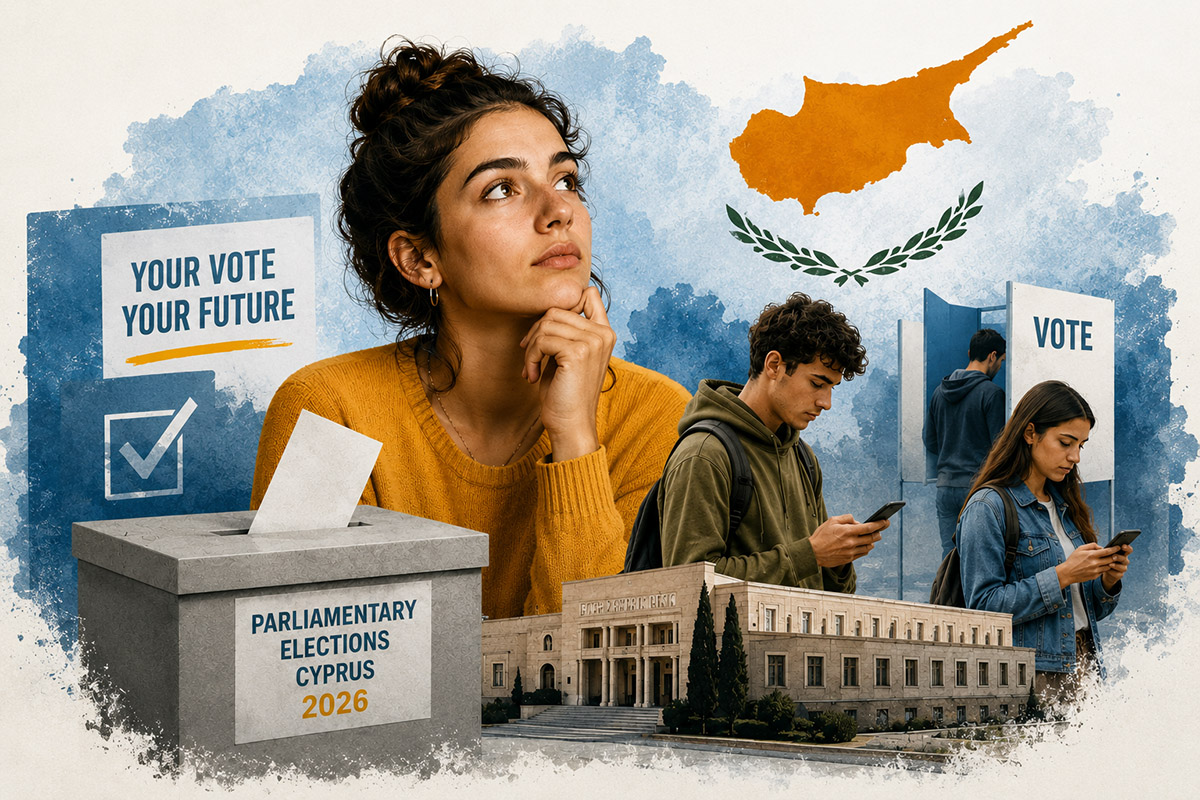
With the parliamentary elections coming up on the 24th of May 2026, I find myself asking a question that many young people across the island seem to share: do we still believe politics can genuinely improve our lives?

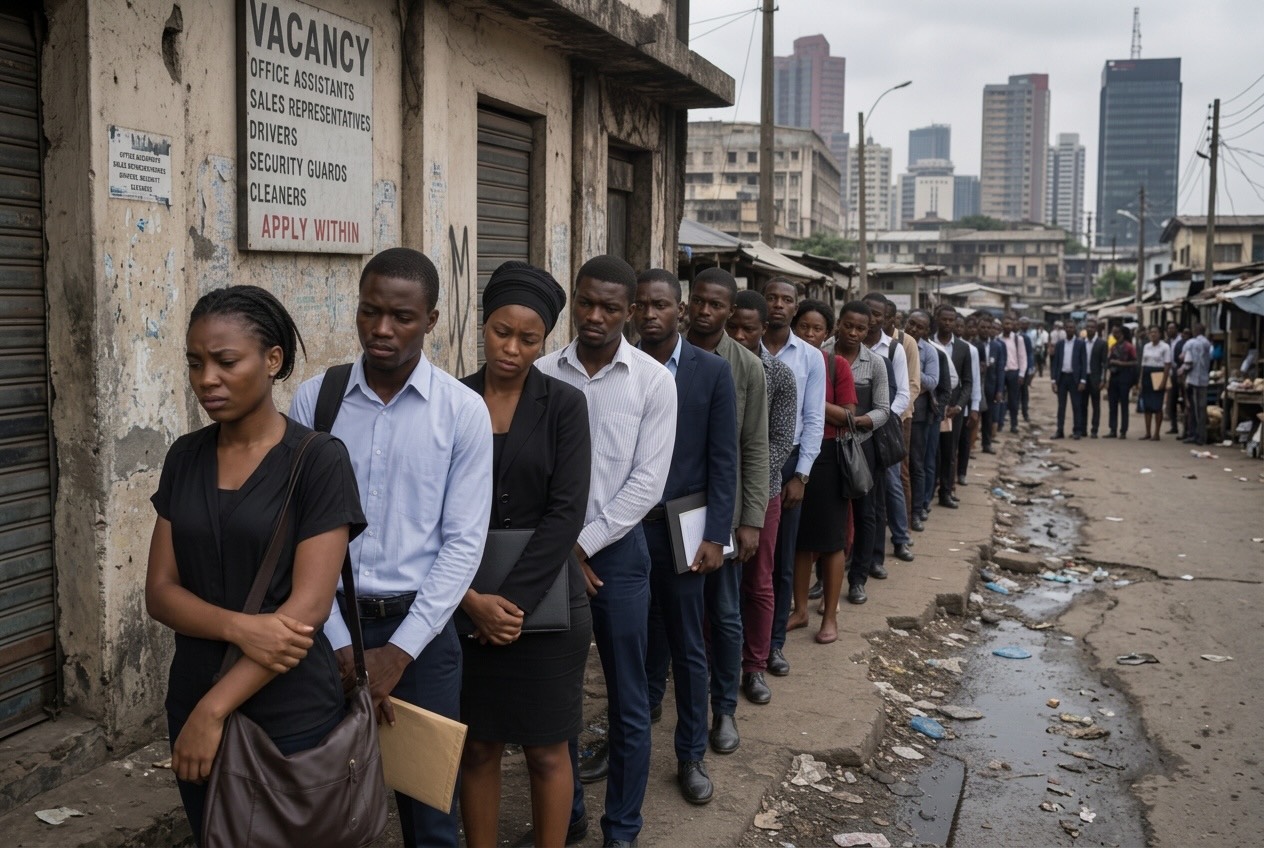
Elections in Cyprus have always been quite similar. The political parties throw accusations back and forth at each other, and promises of change come around every election period. However, for many people, life has remained pretty much the same. It has become very difficult to afford housing in Cyprus, many peoples’ salaries are inadequate compared to the cost of living, and there many young graduates continue to leave Cyprus in search of better opportunities abroad.

This is the reason why I feel that these upcoming elections are far from being just another day in politics in Cyprus; they are all about trust.

Trust in the system.

Trust in political leadership.

And trust in whether democracy in Cyprus still feels meaningful to ordinary people.

Among young Cypriots, political scepticism is growing.

Most of the people from my age group have been growing up in times of economic uncertainty, political scandals, and disillusionment. While the 2013 financial crisis created huge impacts on Cypriot families, the “golden passports” scandal negatively impacted the country’s image and further solidified the notion that political responsibility may vary based on one’s status.

As a result, many young people feel disconnected from traditional party politics. Some no longer vote because they believe nothing changes. Others participate reluctantly, choosing what they see as the “least disappointing” option rather than feeling genuinely represented.

I understand this frustration and disappointment.

But I also think disengagement carries its own risks.

When younger generations withdraw from politics entirely, political systems become even less representative. The absence of youth participation does not punish politicians as much as it weakens the voices demanding change.

One of the key points about this election is that there is a trend towards increased fragmentation of the political spectrum. It has been observed that the established parties like DISY, AKEL, and DIKO have lost some of their credibility in the eyes of citizens who feel the need to look for an alternative beyond them.

On the other hand, it has also been noticed that the increased support base of the extreme right wing ELAM party is indicative of the general sentiments prevalent in other parts of Europe as well where economic uncertainties coupled with institutional mistrust and disillusionment with conventional politics has resulted in such developments.

From my point of view, this must be a cause for worry for everyone.

However, it is not because disagreements and political dissent are inherently dangerous – quite the contrary, as pluralism is the very core of democracy – but because anger and frustration can be exploited for divisive ends rather than constructive ones.

Too often, political campaigns in Cyprus underestimate young voters.

Parties speak about youth participation during election periods, yet meaningful youth inclusion in decision-making remains limited. Young people are frequently invited to listen, but less often invited to shape policy. And yet the issues affecting younger generations are impossible to ignore.

Climate anxiety, unstable employment, rising cost of rent, mental health pressures, and educational inequality are not secondary concerns. They define the everyday reality of thousands of young people across Cyprus.

If politicians continue treating these issues as side topics rather than national priorities, they should not be surprised when younger citizens disengage further from formal politics.

At the same time, I believe there is still hope.

I have seen more young people discussing politics online, questioning political narratives, and demanding accountability in ways that previous generations perhaps did not. Social media, despite its flaws, has allowed younger citizens to challenge public figures directly and create new spaces for civic participation.

The challenge now is transforming online political awareness into real democratic participation.

It is easy to become cynical about politics in Cyprus.

Corruption scandals, conflicts, and years of unfulfilled promises have made many people emotionally detached from the political process. But democracy becomes more fragile when citizens stop believing their participation matters. Voting alone will not solve every structural problem facing Cyprus. However, refusing to engage guarantees that decisions will continue being made without broader public pressure for reform.

This election is an opportunity — not necessarily for immediate transformation, but for reflection.

What kind of political culture do we want?

Do we want politics built around transparency and accountability, or around loyalty to party structures?

Do we want younger generations to feel represented in parliament, or permanently excluded from decision-making?

And perhaps most importantly: can Cyprus move toward a political future based less on distrust and more on democratic responsibility?

The parliamentary elections on May 24th are not just another political event on the calendar. They are a mirror reflecting the current state of Cypriot society. They reveal public frustration, generational divides, political fatigue, but also growing demands for change. Whether meaningful reform follows remains uncertain. Political systems rarely transform overnight.

But one thing is clear: many young people in Cyprus are paying attention more carefully than politicians may realise. And if democracy is to remain healthy, their voices cannot continue being treated as optional.

Share

About the author

Katerina Panagi

Katerina Panagi is a full-time Project Manager and Researcher at CARDET, an independent, non-profit, non-governmental, research and development organization based in Cyprus. She is also a part-time freelance journalist in Cyprus. As a researcher, she is a goal oriented person. She likes learning new things each day and being the best version of herself. Since she believes in lifelong learning, her ambitions are to advance her skills, knowledge and herself as much as she can, but also volunteer and gain further experience.

Related articles

Democracy & ParticipationDisabilityHealth, Safety & WellbeingPoliticsYouth EmpowermentYouth Networks
Youth DevelopmentYouth NetworksYouth PolicyYouth Work
Democracy & ParticipationFairness & EquityGender EquityHuman RightsJustice
View all

Submit your content

Submit a video
Submit an article

by Katerina Panagi

With the parliamentary elections coming up on the 24th of May 2026, I find myself asking a question that many young people across the island seem to share: do we still believe politics can genuinely improve our lives?

Elections in Cyprus have always been quite similar. The political parties throw accusations back and forth at each other, and promises of change come around every election period. However, for many people, life has remained pretty much the same. It has become very difficult to afford housing in Cyprus, many peoples’ salaries are inadequate compared to the cost of living, and there many young graduates continue to leave Cyprus in search of better opportunities abroad.

This is the reason why I feel that these upcoming elections are far from being just another day in politics in Cyprus; they are all about trust.

Trust in the system.

Trust in political leadership.

And trust in whether democracy in Cyprus still feels meaningful to ordinary people.

Among young Cypriots, political scepticism is growing.

Most of the people from my age group have been growing up in times of economic uncertainty, political scandals, and disillusionment. While the 2013 financial crisis created huge impacts on Cypriot families, the “golden passports” scandal negatively impacted the country’s image and further solidified the notion that political responsibility may vary based on one’s status.

As a result, many young people feel disconnected from traditional party politics. Some no longer vote because they believe nothing changes. Others participate reluctantly, choosing what they see as the “least disappointing” option rather than feeling genuinely represented.

I understand this frustration and disappointment.

But I also think disengagement carries its own risks.

When younger generations withdraw from politics entirely, political systems become even less representative. The absence of youth participation does not punish politicians as much as it weakens the voices demanding change.

One of the key points about this election is that there is a trend towards increased fragmentation of the political spectrum. It has been observed that the established parties like DISY, AKEL, and DIKO have lost some of their credibility in the eyes of citizens who feel the need to look for an alternative beyond them.

On the other hand, it has also been noticed that the increased support base of the extreme right wing ELAM party is indicative of the general sentiments prevalent in other parts of Europe as well where economic uncertainties coupled with institutional mistrust and disillusionment with conventional politics has resulted in such developments.

From my point of view, this must be a cause for worry for everyone.

However, it is not because disagreements and political dissent are inherently dangerous – quite the contrary, as pluralism is the very core of democracy – but because anger and frustration can be exploited for divisive ends rather than constructive ones.

Too often, political campaigns in Cyprus underestimate young voters.

Parties speak about youth participation during election periods, yet meaningful youth inclusion in decision-making remains limited. Young people are frequently invited to listen, but less often invited to shape policy. And yet the issues affecting younger generations are impossible to ignore.

Climate anxiety, unstable employment, rising cost of rent, mental health pressures, and educational inequality are not secondary concerns. They define the everyday reality of thousands of young people across Cyprus.

If politicians continue treating these issues as side topics rather than national priorities, they should not be surprised when younger citizens disengage further from formal politics.

At the same time, I believe there is still hope.

I have seen more young people discussing politics online, questioning political narratives, and demanding accountability in ways that previous generations perhaps did not. Social media, despite its flaws, has allowed younger citizens to challenge public figures directly and create new spaces for civic participation.

The challenge now is transforming online political awareness into real democratic participation.

It is easy to become cynical about politics in Cyprus.

Corruption scandals, conflicts, and years of unfulfilled promises have made many people emotionally detached from the political process. But democracy becomes more fragile when citizens stop believing their participation matters. Voting alone will not solve every structural problem facing Cyprus. However, refusing to engage guarantees that decisions will continue being made without broader public pressure for reform.

This election is an opportunity — not necessarily for immediate transformation, but for reflection.

What kind of political culture do we want?

Do we want politics built around transparency and accountability, or around loyalty to party structures?

Do we want younger generations to feel represented in parliament, or permanently excluded from decision-making?

And perhaps most importantly: can Cyprus move toward a political future based less on distrust and more on democratic responsibility?

The parliamentary elections on May 24th are not just another political event on the calendar. They are a mirror reflecting the current state of Cypriot society. They reveal public frustration, generational divides, political fatigue, but also growing demands for change. Whether meaningful reform follows remains uncertain. Political systems rarely transform overnight.

But one thing is clear: many young people in Cyprus are paying attention more carefully than politicians may realise. And if democracy is to remain healthy, their voices cannot continue being treated as optional.