
Abhay Shah, 17, a Correspondent from Siliguri in India, writes that civilization teaches us to improve, but many countries in the world are partial regarding ‘gender’. Here, he looks at the issue in words and images. Will the last generation of the 21st century differ very much from the first? Will it be healthier and …
Showing Results For:
rd , 2026
th , 2026
nd , 2026
Tag: Human Rights
Page 1 of 54
Fairness & Equity | Gender Equity | Health, Safety & Wellbeing | Human Rights | Peace and Justice | Women's Empowerment
What did we actually do with Women’s Month 2026?
April 23by Ruhamah Ifere Every March, the world pauses to celebrate women. Social media fills with affirmati …
What did we actually do with Women’s Month 2026? Read More »
Read more
Governance | Human Rights | Networking | Youth Networks
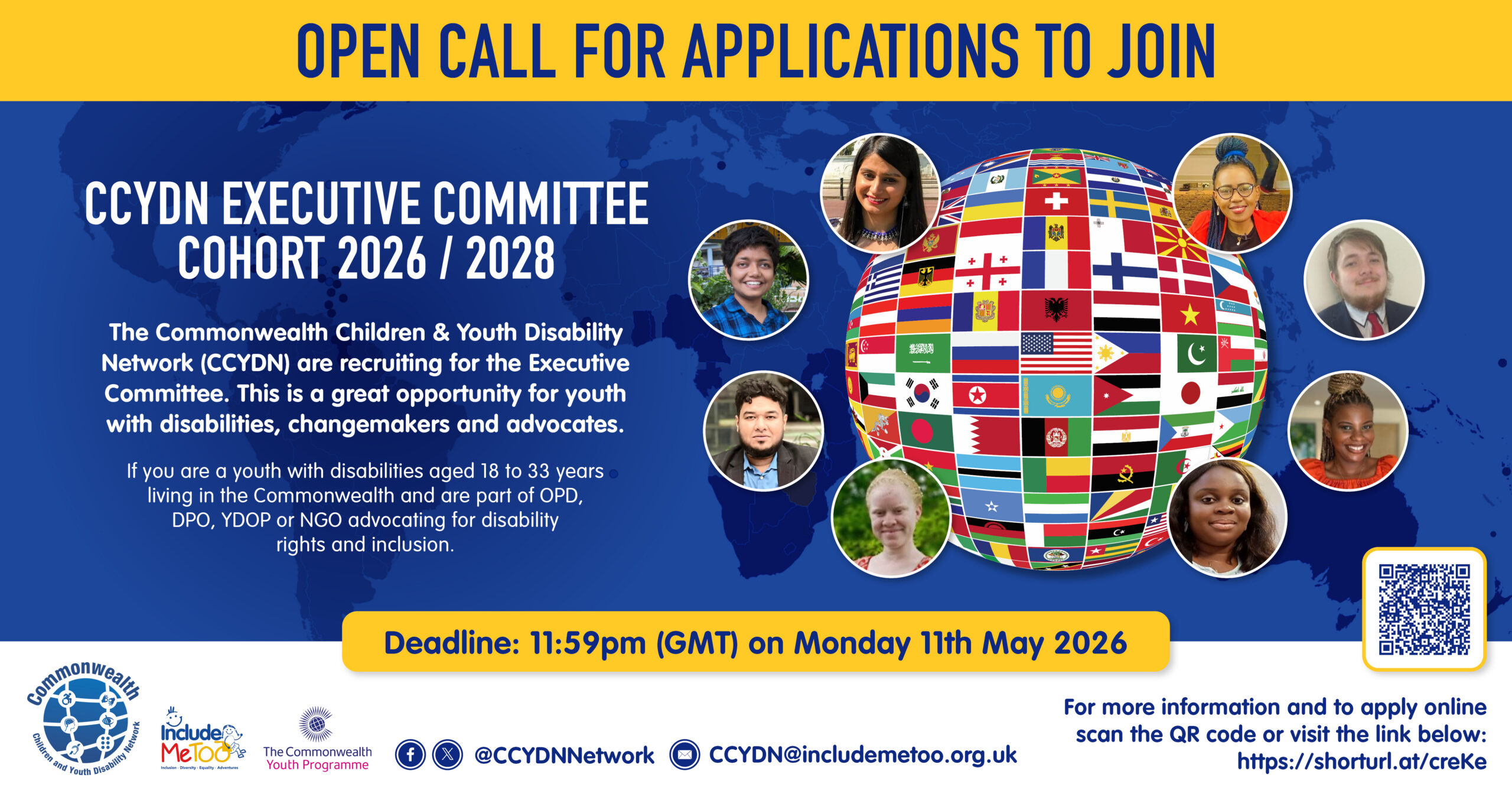
Applications Open for the Executive Committee Members for The Commonwealth Children & Youth Disability Network (CCYDN)
April 18Applications are now open for young leaders to join the Executive Committee of the Commonwealth Chil …
Read more
Democracy & Participation | Fairness & Equity | Gender Equity | Human Rights | Justice
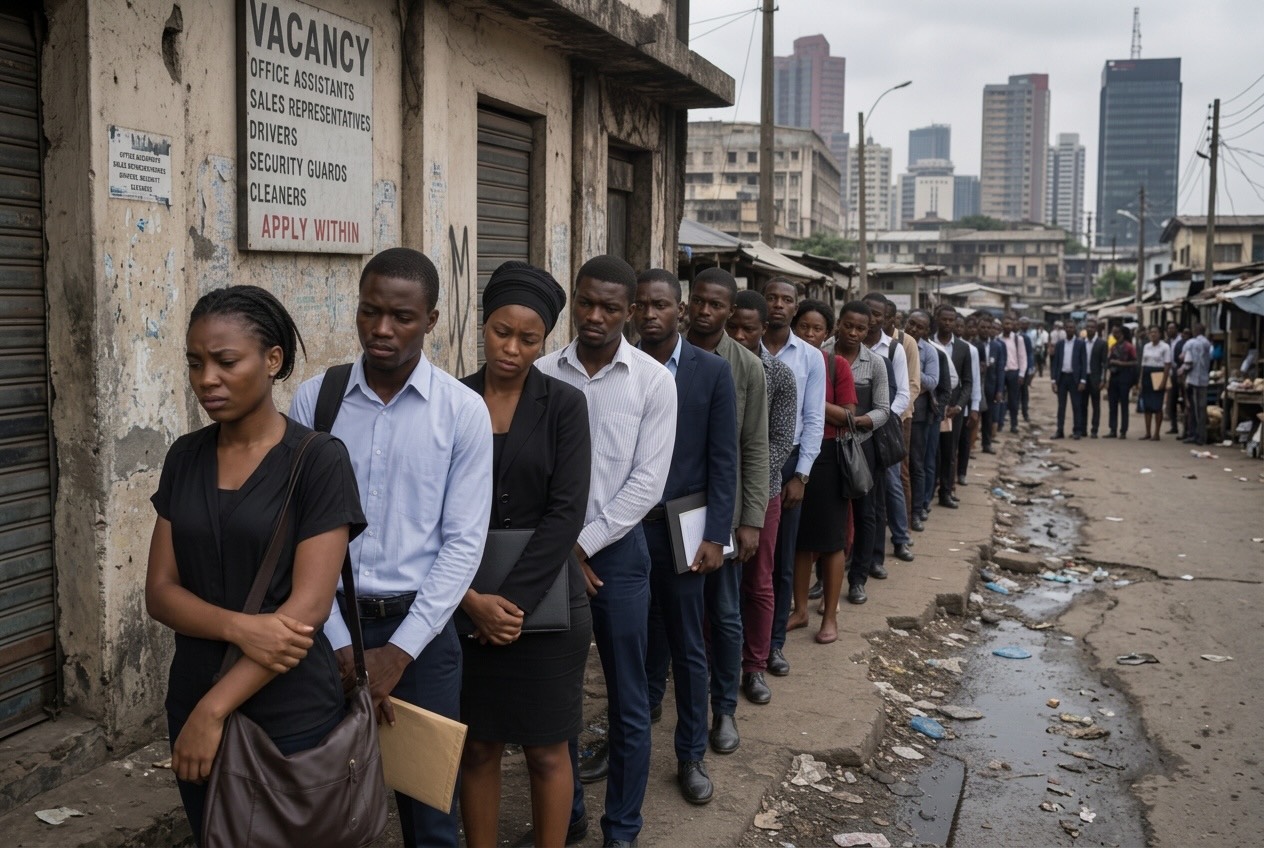
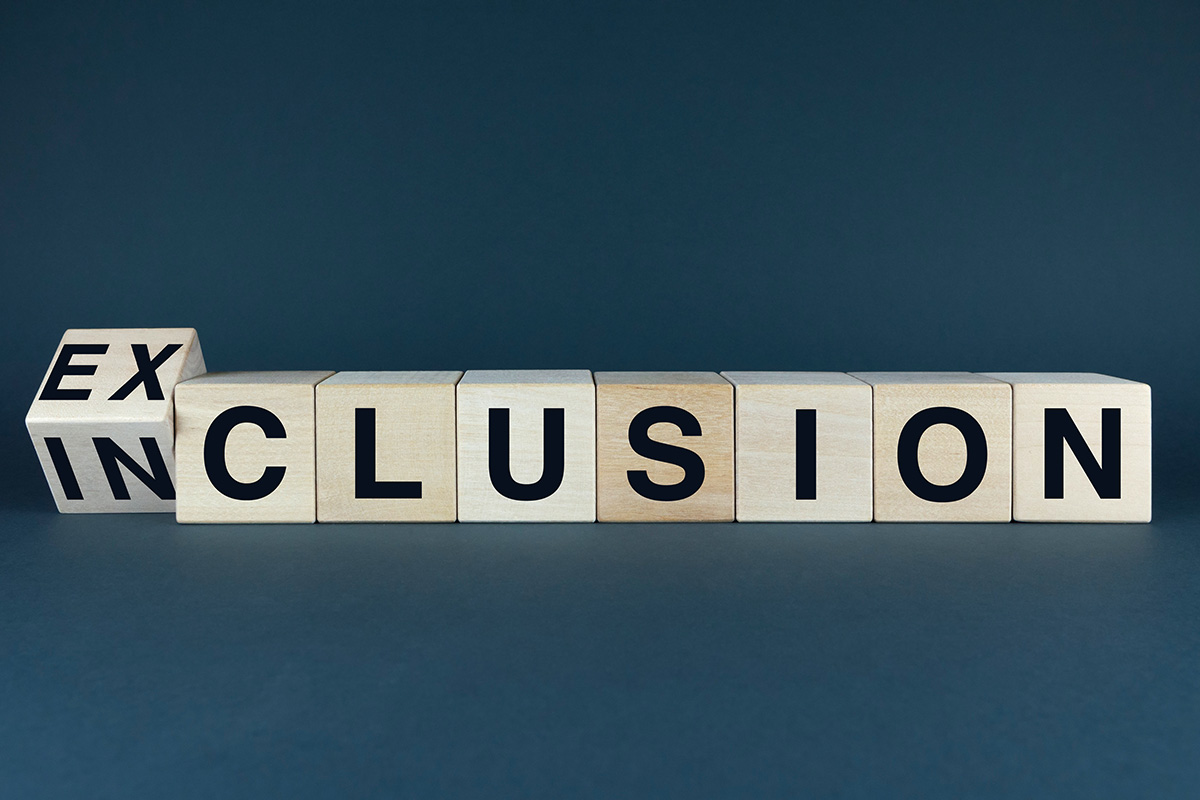
Invisible Lines: The Ethics of Structural Exclusion
March 22by Lilian Elochukwu Terna-Ayua Everyone is born free and equal in dignity and rights, as stated in A …
Invisible Lines: The Ethics of Structural Exclusion Read More »
Read moreRecent appointments to the national Senate raise questions about commitment to gender equality, writes Alicia Wallace, a Commonwealth Correspondent from Nassau, Bahamas. On December 11, 2016, Hon. Loretta Butler-Turner became the first woman to serve as Leader of the Opposition in Parliament in The Bahamas. This followed a petition by seven Free National Movement (FNM) …
Controversy has engulfed the International Criminal Court, which since 2002 has been asked to prosecute genocide, war crimes and crimes against humanity. McPherlain Chungu, 21, a Correspondent from Zambia now studying in India, writes that protests and changing attitudes are challenging the ICC’s role in Africa, and raise question about alternatives to the court. …
A hastily-signed American executive order will have far-reaching impact on vulnerable women around the globe, writes Ros Limbo, 26, a Correspondent from Windhoek, Namibia. 2016 was a year of uncertainty and fear for many people around the world. Although not American, Hillary Clinton’s election loss made me upset. It showed that even in the first …
Myths and misunderstanding surround albinism, writes Paul Odhiambo, 26, a Commonwealth Correspondent from Nairobi in Kenya. Although rates of the genetic condition are higher in African than in North America or Europe, inadequate information is still a common problem. What is albinism? Albinism is an inherited genetic disorder that decreases the quantity of melanin pigment, generated …
Decades of civil war ended with South Sudan’s independence in July 2011, but as McPherlain Chungu, 21, a Correspondent from Zambia now studying in India notes, women remain vulnerable in times of conflict. He argues the solution requires a change in approach. South Sudan was declared an independent state on July 9th 2011 after its …
Young people with disabilities have numerous concerns, especially in the developing world, writes Vibhu Sharma, 24, a Correspondent from Delhi in India, who notes the problems created by discrimination and social exclusion. It is difficult for most students with visual impairment to seek admission in general schools. Lack of adequate school infrastructure, unawareness amongst teachers …
Protest has long been a part of the interaction between the people and the institutions that have power over them. Aïdêè Amba, 20, a Correspondent from Calabar in Nigeria, writes that peaceful protest has a place in society, but violent protest is counter-productive. When citizens of a country or a group of people disagree with …
On the dirt road from Wellawaya to Buttala, there stood two little shacks in a small expanse of garden. One would often spot an elderly gentleman there dressed in a sarong and simple baniyan, writes Annemari de Silva, 27, a Correspondent in Colombo, Sri Lanka, as she tells the story of a respected community builder. …
India can rightly claim to be making continuous efforts to look after persons with disabilities, writes Vibhu Sharma, 24, a Correspondent from Delhi in India, but the issue now is to implement the laws that are on the books. In 1997, India set up a corporation to provide loans to disabled people to facilitate their economic …